Blog

  • Tokyo Olympics: What will be the cost of cancellation?

    Tokyo Olympics: What will be the cost of cancellation?

    Alice Wright

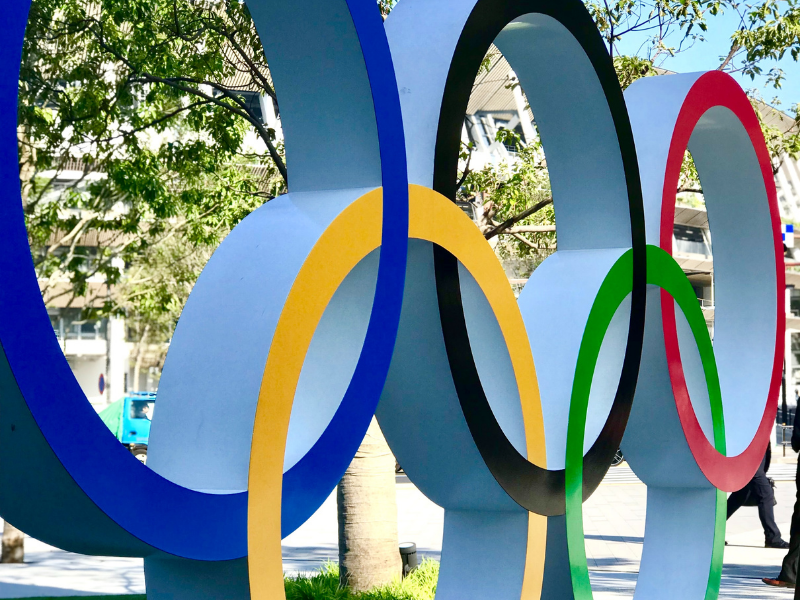
    The organisers of the Tokyo Olympics have announced that there will be no international fans at the Olympic or Paralympic games that are due to go ahead in July and August respectively. The Olympic events were postponed – for the first time in their history – last March as the Covid-19 pandemic spread around the globe. 

    The Olympic torch relay started last week, a year later than planned and still in midst of a pandemic. The relay starts off the countdown of the 121 days until the games begin and will travel across all 47 of Japan’s prefectures. Yet this relay will not be the spectacle of old: like the rest of this year’s events it will be largely crowdless, and therefore less full of life.  

    The International Paralympic Committee president Andrew Parsons said “difficult decisions” had to be made, with safety the “top priority”. The decision to ban international spectators and supporters is another major financial hit to the games that have already exceeded in cost by £2.1 billion from the original budget, with £670 million extra spent on coronavirus measures alone. These measures will include an infection control centre in the athletes village and regular testing. 

    A report in the Japan Times said holding the Games without spectators would cost Japan 2.4 trillion yen ($22.9bn). Al Jazeera reports that “holding the Tokyo Games behind closed doors would cause a loss of 381.3 billion yen ($3.64bn) in spending related directly to the games, or 90 percent of the original projection for the events […] Economic gains from promotional sporting and cultural events after the games will also be reduced by half to 851.4 billion yen ($8.1bn).”

    These games are now set to be the most expensive in Olympic history with an economic return that is not likely to match former games. Usually a summer of Olympic celebration brings in millions in revenue to the host country. For example, the London 2012 Olympics reportedly boosted the UK economy by £9.9 billion through tourism, trade and investment. 

    However, AP Sports journalist Stephen Wade, told Al Jazeera that “the economic impact … is very small. This is an economy with five or six trillion dollars GDP/GNP […] The Olympics are small potatoes, it’s a couple of weeks, it doesn’t have much effect.”

    Yet even if the situation has a smaller impact on the economy at large than expected, the impact on individuals could be far more significant. Data produced in July 2019 predicted that 1.9 million people would find new employment opportunities across Japan due to the Tokyo Olympics. However, since the postponement and mass scaling back of the events this is likely to have dipped considerably. There will be less employment needed to cater for large crowds. Accommodation needs have also been considerably reduced.   

    While 11,000 athletes from around 200 countries are expected to take part, with a state of emergency in Tokyo and surging waves in other countries such as Brazil and France, questions are still being raised about who will be able to travel to take part. 

    Surveys also show that the Japanese public are mostly against holding the games, and according to Business Insider there is still a chance they could be postponed. If athletes are unable to make the Olympics then their funding and sponsorship deals could be at risk, and the financial hit to Tokyo will be substantial.  
  • Will the work-from-home revolution adversely affect working mothers?

    Will the work-from-home revolution adversely affect working mothers?

    Alice Wright

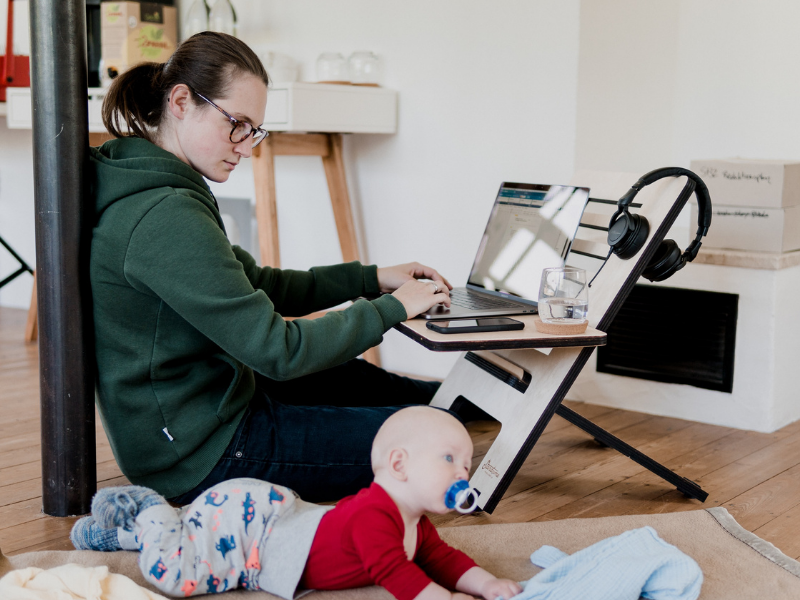
    With many firms offering new flexi-working arrangements as restrictions begin to lift across the UK, a study conducted by the World Economic Forum has raised questions about the impact working from home (WFH) may have on career progression, particularly for women.

    The study asked lots of different questions about attitudes and outcomes of working from home, collecting data from 5,000 randomly selected UK workers. When asked how much time the employees would like to spend working from home there was a large variety in answers. The report raised the concern that those who “WFH may end up suffering long-run in terms of promotions, which would be a major issue for diversity if certain demographics, like women with young kids, opt to WFH more and miss out on promotions.”   

    Indeed BBC research suggested that people with disabilities, people with children and women make up the largest number that prefer the prospect of more time working at home. Therefore there could develop a situation where young, ambitious single men who opt to work in the office get ahead of their female peers who decide to work from home.  

    The BBC report goes on to say that “research shows that home workers – however productive – suffer from a lack of face time with colleagues and managers, which negatively impacts promotions, and ultimately may stall careers.”

    It has been well-documented this year that the Covid-19 pandemic has had an adverse effect on women: the burden of domestic chores and childcare has fallen disproportionately on women. Before the pandemic women were doing three times the amount of unpaid domestic and care work than men, but now UN Women Deputy Executive Director Anita Bhatia says this has “doubled.”  

    For many, home working in a blended manner is here to stay and workers are increasingly being offered choice. But if those that go into the office are more likely to gain promotions by forming stronger bonds with their superiors, and having their work continuously acknowledged and women remain working from home to fulfil domestic needs, then the gender gap at work looks set to regress.  

    The issue of a disparity in promotions between in-office workers and WFH workers existed well before the so-called “work from home revolution” brought about by the pandemic. In a 2014 study conducted in China, researchers from the Stanford Graduate School of Business found that while people working from home were around 13% more productive, they weren’t rewarded with promotions at nearly the same rate as their colleagues working in the office. The BBC report also stated that remote workers who aren’t being promoted can also end up with a heavier workload.

    While more choice for employees on where they work can be considered a positive, before hailing it as ‘revolutionary’ the potential detriments to diversity in leadership must be considered to ensure hard-fought gains on women’s economic and social independence are not lost.    

  • Will enforced UK holidays boost local economies?

    Will enforced UK holidays boost local economies?

    Alice Wright

    The Prime Minister has made it clear that foreign holidays are off the cards for summer 2021. The government has even introduced large fines for any found to be bending the rules. Yet tourism from summer holidays could boost the economy by £7 billion this summer, as part of an industry that is usually worth £127 billion annually. 

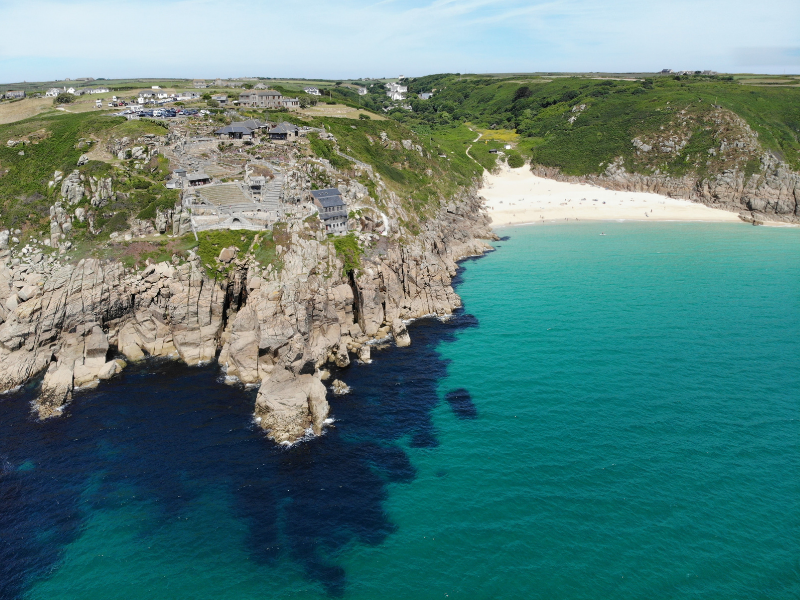
    In Cornwall the holiday industry is worth £1.8 billion a year, and Cornwall is likely to do well this summer after reports that property searches for the area on Rightmove have now overtaken London, specifically Truro and Looe are exceptionally popular.

    In Yorkshire, tourism was worth £9 billion before the pandemic and employed 225,000 people. Businesses like Sykes Cottages which represent many holiday homes on the North Yorkshire coast have been inundated with bookings as self-contained self-catered residences are allowed to open from 12th April, and many residences are full right up until September.  

    Accommodation providers will not be the only ones benefiting. Cafes, pubs and restaurants will also be able to take advantage of returning trade and lifted restrictions. Once again able to make hires and welcome back furloughed staff, this sector’s opening will benefit the young. Those between 18 and 25 made up three out of five of all people who lost their jobs due to Covid-19. This is largely because they tend to work in sectors such as retail and hospitality that have ground to a halt over the past 12 months. 

    There is optimism that the service sector will return to its highest levels since 2004. Service sector businesses are already hiring new staff in anticipation of loosening restrictions. Other attractions such as zoos and cinemas are looking forward to a boom in domestic tourism that will help to plug their struggling finances. Indeed Cineworld shares went up 9.5 per cent after the roadmap out of lockdown announced that cinemas could be open by May. 

    Domestic holidays and tourism may be a result of international restrictions, but it is likely to benefit both local economies and the country at large this summer.  

    Photo credit: Benjamin Elliot on Unsplash

  • Thwarted plans: why the new UCAS report must be acted on by schools

    Thwarted plans: why the new UCAS report must be acted on by schools

    Alice Wright

    The University and College Admissions Service (UCAS) has released a report stating that one in five students are ill-prepared for university because they are not able to take the correct subjects at school that would allow them to study a degree that interests them.  

    The report went on to say that two in five students stated they would have made “better choices” if they had been provided with better information. It’s clear that young adults are being asked to make decisions that will affect their working future increasingly early on in life. Subject choices as early as GCSE are becoming factors in what degrees are open to them, and then in what careers they may pursue. 

    In other words, pupils are being failed. To create opportunities and leave paths open, children and young adults must be given the correct information. Such information must also be given in creative and stimulating ways to ensure it sinks in. It is no good handing out dry, colourless leaflets with lists of required subjects under a list of alphabetised career paths. People bring professions to life, and schools should make use of engaging speakers at the top of their industries who are willing to talk about what their working life has been like and how others might follow them.  

    This year, the government has decided to implement the “Enterprise Adviser Network”, and idea facilitated by the Careers and Enterprise Company. The idea – a laudable one – is to connect youngsters with leaders in different sectors and to provide careers advice. But only another such report in following years will tell if it is enough.   

    Making the right educational decisions as a young adult is also important in the backdrop of a highly commodified higher and further education system. Universities and colleges are financially incentivised to recruit as many students as possible, and fill gaps in courses whose capacity has not been reached. According to the Social Market Foundation, this has led to a so-called “turf-war” between the two sectors. This self-interest means students should not rely on those institutions for impartial advice. They must get it earlier from schools services – but above all, make their own informed decisions.  

    Knowledge can spark inspiration and passion that will determine a young adult’s future. Schools must look at UCAS’ findings and get creative to ensure their pupils are armed with the best information to take them forward into higher or further education, and eventually into the working world.  

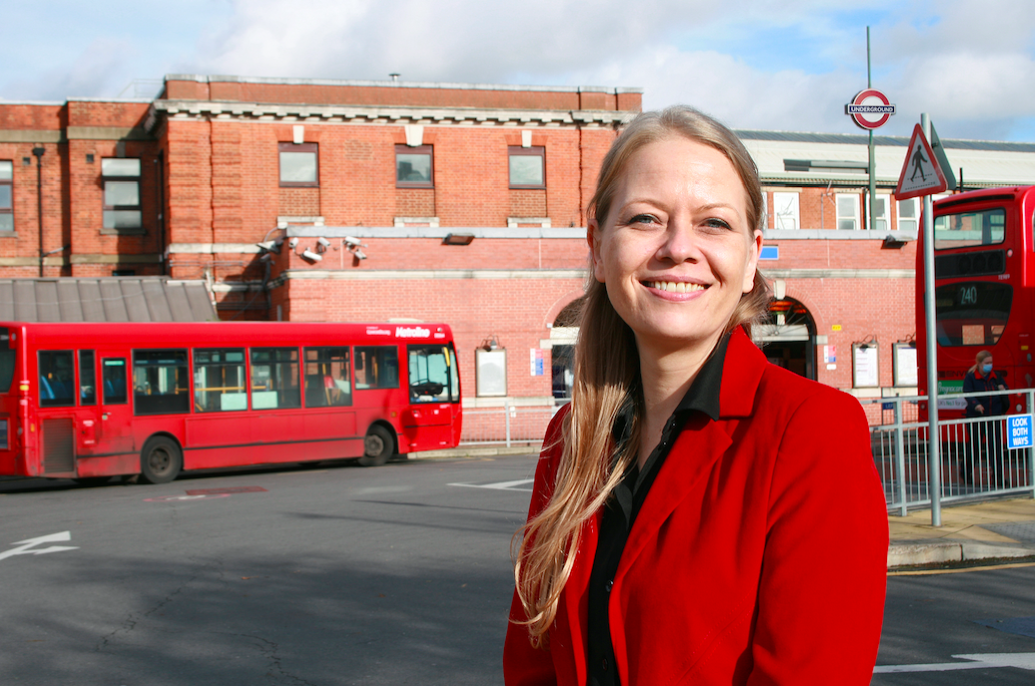
  • The Race for London Mayor: Siân Berry

    The Race for London Mayor: Siân Berry

    In the next in our series focusing on London mayoralty candidates, Georgia Heneage meets the Green Party co-leader

    In her bid for the mayorship, co-leader of the Greens Siân Berry has bold and ambitious plans in mind – plans she believes are necessary in combatting the educational inequalities and rising unemployment tearing through our economy, and in remedying the government’s slow approach to building green industrial jobs.

    “The first thing I’d do as Mayor”, says Berry, “is to bring in a basic income for everybody”. Berry argues that Covid has highlighted some of the “gaps and inequalities” of our welfare system; some jobs are “busier than ever”, and some “have basically just evaporated”. Berry says people have had no control over their situation:“Everybody needs a basic level of material security.”

    And would this post Covid shake-up just give us the necessary space to recognise the importance of building green jobs for the economy and for the climate? “From the very start, we’ve been wanting to put land aside so that we can create green industry centers of innovation and create new jobs in green industries,” says Berry, “and that’s just more important now than ever.”

    “I think London needs to become more self-sufficient,” she continues. “We need to open a dialogue, especially with young people, around building for a green future and transitioning away from jobs that depend on international trade and aviation.”

    That’s a noble ambition but it doesn’t just involve blue-collar jobs: Berry says she’s put together a plan with the Young Greens to make sure that going forwards the creative industries have the funding necessary to ensure the accessibility of diverse talent.

    Called the Creative Autonomy Allowance, the plan is not unlike the Enterprise Allowance introduced by Thatcher’s government in the 1980s, which was integral in kickstarting the careers of quite a few working class artists; the idea is to trial a basic income which would give 1,000 creatives £10,000 a year as a financial security guard. After three years, they’d study the impact that has “on widening opportunities, giving people more security and giving them creative autonomy”.

    Initiatives like these may be crucial in rebuilding a fair and accessible and society. Though ambitious – and presumably expensive – Berry’s plans will likely be popular with those who are concerned about youth employment in progressive areas. “In the recovery period we want to be giving people the ability to come up with new ideas to innovate and think about new ways to be creative. Most important we want to sponsor the young to be the incubator for thinking of a new world,” she says.

    The key question for Berry is to “make use of the pool of talent” to integrate jobs into this new world. She would transition the kinds of towns who are dependent on fossil fuel industries – like those around Gatwick. She is particularly concerned to make sure we produce the transferable skills which would enable workers to switch industries seamlessly.

    Her London mayoral campaign has a national dimension too. “Those conversations need to happen everywhere,” says Berry. “In the oil industries, airports, car manufacturing. We need to build up localized skills training, so that people can become mechanics who can mend electric cars instead of petrol or diesel ones, for instance”.

    At the level of education, many politicians have argued that vocational courses or industry-focused apprenticeships are the answer. But Berry sees it differently, and thinks that specializing too early can be limiting. “We really believe in lifelong learning for its own sake. My advice to young people is always to study what you’re interested in, and then decide what particular area you want to move into later in life.”

    Berry also wants to see a greater emphasis on green-focused courses both at school and university: “Children are a bit hot-housed at the moment into learning for tests and things like that, and there isn’t enough space in the curriculum for people to just learn those kinds of messy lessons that teach you about nature.”

    There also aren’t as many apprenticeships and jobs in green energy as there should be: “People need to be given infinite opportunities to learn: there’s going to be so much work that needs to be done when we eventually rise to the level of investment we’ve talked about in the general election. And we will be having a big skills shortage at that point if we’re not careful.”

    The London mayoral elections will be held on 6th May 2021

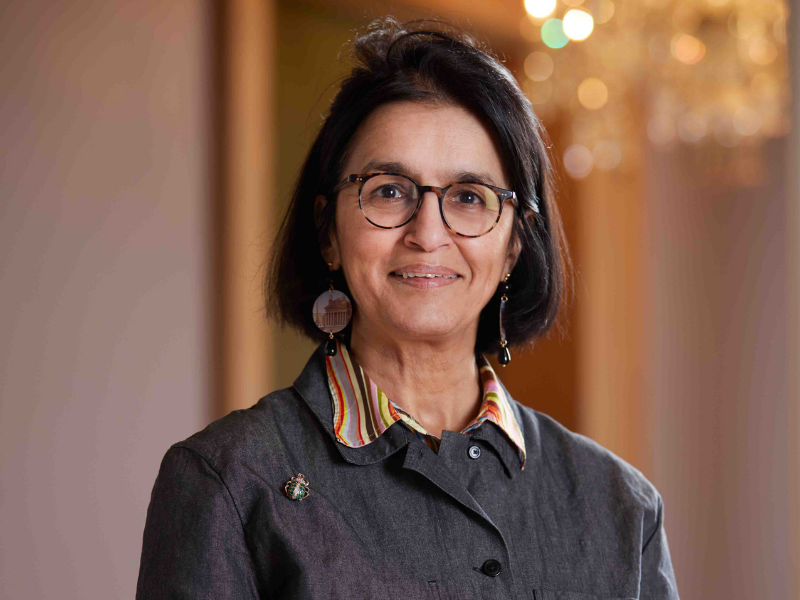
  • Q & A: Grange Park Opera CEO Wasfi Kani

    Q & A: Grange Park Opera CEO Wasfi Kani

    Can you tell us about your reaction to the Covid-19 pandemic at Grange Park opera and how you sought to navigate the last year?

    Exactly a year ago (and a week beforethe Government announced a belated lockdown) we cancelled the 2020 Season. When I’d finished faffing around doing refunds, it immediately struck me that people were allowed to go to work, if they couldn’t work from home and why shouldn’t we create new performances . . . but film them. Thus, we created the Found Season involving 108 artists in 15 new events, eight filmed from the stage of the Theatre in the Woods. Other appearances included Bryn Terfel, Roderick Williams performing Schumann, piano virtuoso Pavel Kolesnikov playing Chopin and Beethoven and a pas de deux from English National Ballet.

    Covid-19 has actually given us a unique opportunity to share the magic of great musical experiences – which are original, stimulating and food for the soul – with as many people as possible around the world. After the Found Season, we have created the Interim Season – employing more artists.

    How many people do you employ at Grange Park? 

    During the season we employ 350-400. The core team is only 14. Well, it was 14 until all this happened.

    Did you take advantage of the government furlough scheme?

    Yes

    Did you benefit at all from the DCMS’ funds for charities? 

    No, we didn’t apply for it! This was because I thought smaller charities with less access to London wealth should get the money. Little did I realise that it was a free for all. Some classical music agents applied for money and got it! Yet a singer who has earned £55k pa has no access to any money.

    Overall, do you feel the Government response was satisfactory?

    If you mean the Government response to the pandemic overall, I would say it was catastrophic (a) locking down so late in March (b) not having any checks on arrivals in the UK … there were 15k per day UNTESTED in any shape or form (c) eat out to help out (d) locking down in November . . . opening for two weeks partly . . . then allowing anyone to do anything over Xmas. I could go on and on.

    Questions must be asked why so many people have died in the UK. And it isn’t over.

    Tell us about your work with the Romanoff Foundation.

    This is a new collaboration. Normally there would have been fascinating talks about the two Russian operas in this year’s season (Ivan the Terrible, The Life and Death of Alexander Litvinenko) but uncertainty is limiting what we can do.

    Just how terrible was Ivan the Terrible?

    Well, he loved his son. And he was probably damaged by his own lack of a father figure – his father died when Ivan was 3. I’ve been studying a long history of Russia and it seems that what happened before Ivan was there were bunches of gangs going round Russia proclaiming ownership of territories. Ivan tried to unify the country but at a cost to its people and long-term economy.

    Has your audience become more global during the pandemic?

    Our extensive filmed output has had 120k views. Some are in far-flung corners. However, when they will be able to get on a plane and visit the Theatre in the Woods . . . who knows??

    Owen Wingrave sounds a fascinating project. Do you think you might continue to explore film as an avenue post-pandemic?

    On Saturday 20 March we launched another filmed opera: Ravel’sL’heure Espagnole – filmed in a clock shop in Kensington. I am already planning more for the autumn. It’s a great way to keep close to the Grange Park Opera family.

    What do you think we most miss about the live experience?

    Feelings. Having a collective emotional experience.

    Is there anything about the online music experience that is superior that you’ll want to keep once we’re all fully vaccinated?

    I’ve been listening to a lot of the oldies playing the piano – Michelangeli, Lipatti and so on. 

    People are fed up of looking at screens. They are flat. That says it all.

    It’s fascinating to see that you worked in the City designing computer systems – did you miss music during that time? Is there tension between the businesswoman and the artist in you?

    While I was in the City, I continued to have an active music life, playing the violin in orchestras and chamber music. I used to practice in the lunch break. I know some of my computer colleagues thought I was a bit nuts. 

    Do you have any mental health concerns about people in the arts? In what ways have you reached out to support artists, musicians and those in your sector affected by the pandemic?

    We have an Artist in Need fund and have distributed nearly 200k and our filmed projects are often the only performance work that an artist has been offered for a year. Even someone like Simon Keenlyside whose diary is absolutely full. Empty diary. One cancellation after another. What does it do to your mental health? Artists have to learn to live with rejection so some will be more resilient than others.

    What would be your Desert Island Discs?

    • Michelangeli playing something
    • Brahms string sextet – either of them
    • Rimsky Korsakov Scheherazade
    • Verdi Don Carlo
    • Wagner Tristan

    It’s a secret. I’m waiting for the phone call.

    Goethe, looking back on his life, made a good and bad column. Totting it all up, he decided that music was what made the difference and had made his life worth living. Is there a listening experience that really changed you?

    I love music – it gives my life another dimension. And I have a bond with people who feel similarly. Those that don’t . . . I want to open that door. The greatest gift of my life is being able to play a Mozart string quartet.

    Was there a music teacher who really had an impact on you?

    Probably my first piano teacher Gillian Stacey. She died about a year ago and I saw her in hospital the week before.

    What character traits do you particularly look for in young employees?

    Hard work. I don’t want to see them waiting for 5.30 and rushing out of the door. 

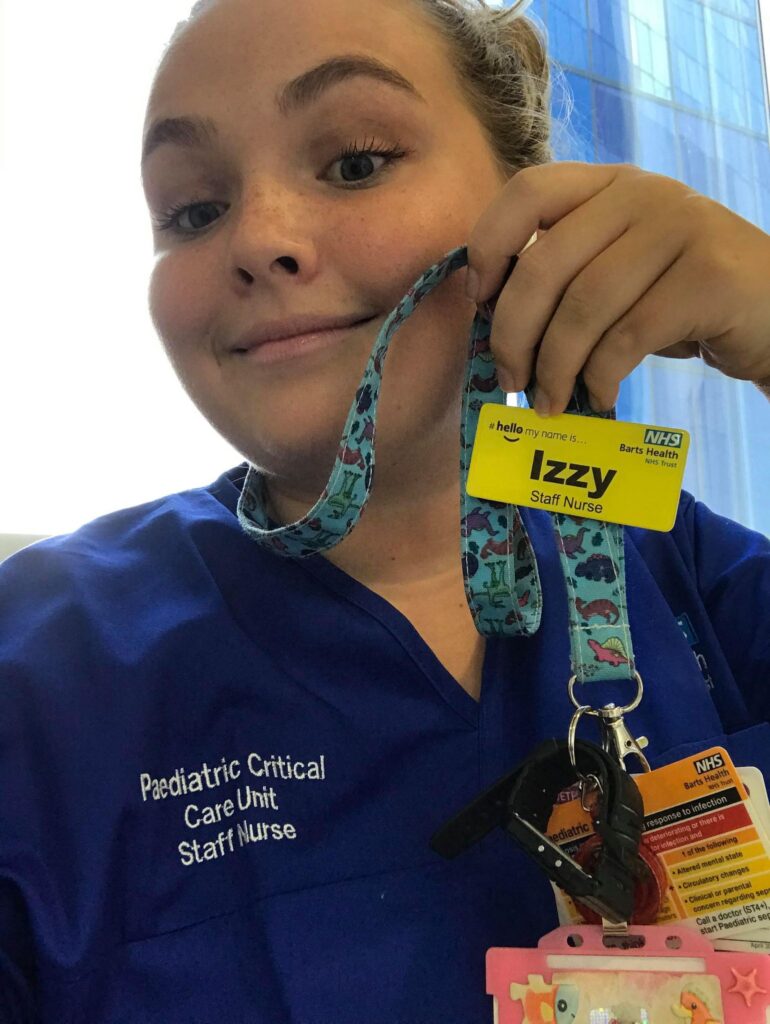
  • NHS nurse Izzy Howes: “It was complete madness”

    NHS nurse Izzy Howes: “It was complete madness”

    Georgia Heneage

    Izzy Howes, a 23-year-old NHS nurse from London, had been working in a children’s intensive care unit for just six months when she was redeployed to a Covid ward to help tackle the mounting crisis last March. The physical and mental toll it has taken is hard to put into words, but Howes speaks openly and eloquently about the struggles of that turbulent period. Her story is testament to a darker side of the pandemic which few of us experienced, or will ever experience.

    “In my training I’d never looked after adults”, says Howes. “So it was difficult from the get-go. It’s a lot more physically demanding in an adult ward, so most of the time I was just completely exhausted.

    “I remember my first shift I was told I’d have a ‘buddy’ nurse with me, but when I arrived they were really understaffed and I was handed a patient straightaway.” Howes says that getting used to wearing PPE for hours on end was hard, but on that first day she was “grateful” for it. “I was just crying the whole time. I had a lump in my throat – the kind you get when you are completely terrified. I kept thinking: I don’t know what I’m doing. I don’t know what I’m doing.”

    Two weeks into the first lockdown, one of the surgical theatres was converted into an intensive care unit and Howes was one of four nurses tasked with taking care of 20 patients on life-support. “I remember a senior nurse looking at me and saying: forget everything you’ve learnt about nursing. Just keep them alive.

    “It was complete madness,” says Howes. “I remember one shift when they’d run out of gowns but had just enough masks for us to take one break, which meant we couldn’t drink anything or go to the loo for six hours at a time. If you went on a break you were considered as wasting PPE.” Howes recalls one horrifying experience when a senior nurse collapsed on duty: “She was taken to A&E for acute kidney failure because she was so severely dehydrated. Nobody was looking after themselves”.

    Did it get easier with time? “Once people started to accept that they weren’t going to achieve the level of nursing that they were used to, it did get easier; we were constantly telling each other that we could only do what we could do,” says Howes. “But even that was hard to stomach. I kept thinking: what if doing my best costs someone’s life? That bit I really struggled with. Every person is someone’s everything”.

    In those first few grueling months, Howes says everyone was “running on pure adrenaline” and had no time to process the suffering they were faced with day-to-day.

    And in October, when cases started piling up once again, things got harder. Howes volunteered to return to the Covid unit where the numbers were spiralling “out of control”, and her hospital became one of the biggest intensive care units in London, with usual capacity of 70 stretched to almost 200 patients. “It was organised chaos,” she says.

    Howes was better versed in the practicalities of the job this time round. But as the adrenaline wore off she had more time to reflect, and with reflection came the psychological burden of witnessing the daily reality of senseless death. “I’d just look at these patients and absorb the fact that they were dying. I can remember specific patients’ faces and the fear in their eyes when they deteriorated.”

    One of the most “gut-wrenching” parts of the job was speaking to families on the phone every day; “having to tell them that their brother, uncle, father is dying, but that they can’t see them.” Howes suffered immense guilt about her inability to give them “the patience” they deserved. “You’re so overworked and overwhelmed that you don’t have the capacity to virtually hold their hand. Grief does horrible things to your heart and soul, but there were times when family members were abusive over the phone. That was really hard to deal with.”

    A month ago, having reached her own emotional capacity, Howes suffered a nervous breakdown and was given six weeks’ stress leave. “I was supposed to be going to a nightshift, but in my car I just couldn’t move,” Howes recalls. “I was so low, and absolutely exhausted.”

    Challenges aside, have there been positives to such an intense experience? “The friendships that came out of it were incredible. We all had so much admiration for each other and it was beautiful to see so many amazing strangers coming together to support one another,” says Howes. “And it’s made me value things I didn’t before; it’s given me a huge appreciation for life. Now I’m not afraid to tell people that I love them every day.”

    On a practical level, Howes harnessed valuable skills that she’ll carry with her throughout her career: “I learned that I was so much stronger than I realised. I learned to communicate with strangers, build trust and work in a team”. Covid also gave her the opportunity to care for adults, something she wants to use “later on” in her life. And despite what she’s been through, Howes says medicine is an area she’d like to stay working in: “Being in those critical life or death moments is almost addictive. How can I compare that to an ordinary job?” she says.

    When you exist on the periphery of the Covid crisis, as most of us have done, it’s easy to underestimate the psychological toll which the past year has taken on thousands of nurses across the country. Howes’ journey is an important reminder that the traumatic events of the past year will not be forgotten in the minds of those lost in the thick of it.

    It’s also a stark reminder than Johnson’s 1% pay rise, which has provoked huge backlash across the political spectrum, has struck a harsh chord with nurses like Howes. “My anger towards the government’s handling of this crisis was building for a while,” she says. The “hero-complex” which was superimposed onto nurses, and government initiatives such as the  ‘January pay incentive’– where nurses were offered bonuses for working extra shifts – felt either superficial or counterproductive: “It was like leaving breadcrumbs out for nurses to completely overwork themselves. If they paid us properly, we wouldn’t have to do these extra shifts and the burnout would be less,” says Howes.

    So when the meagre pay rise was announced, Howes was “insulted, hurt and angry”, but not surprised: “What I’ve learnt from this year is that marginalised people will just keep being marginalised. I hoped that would have changed, but it doesn’t seem to have done.”

  • The secret to success? Get through all your emails

    The secret to success? Get through all your emails

    Daphne Philips

    Two things seem to have progressed in society simultaneously – and each to the detriment of each other. The first is the accessibility of communication and read receipts (visible acknowledgement that someone has read your communication, whether that be by email, WhatsApp or iMessage). The second is the fact that it has become socially acceptable not to respond.

    How did this happen? Read receipts might almost have been designed to induce professional and social anxiety. Our tech overlords surely know that there is no real utility in knowing when someone has read our communications. Yet when this information is available to us, worried questions circulate our minds. Why haven’t they replied yet? Will they ever reply? Have I been inadvertently rude? Is this person angry with me? 

    With so many blackhole email accounts at large corporations – and unresponsive gatekeepers surrounding well-known names – it is interesting to note that some of the most important and busy individuals tend to be the best repliers. This is no coincidence: success is always in the detail.

    A case in point is the example set by Sir David Attenborough. This week it was reported that the TV presenter wrote a handwritten response to a four-year-old who had sent him a query about extinction. This is not the first time that heartfelt responses have surfaced from Attenborough, and he has a reputation for responding to every letter – he gets about 40 a day – that is sent to his home address (he doesn’t do email). At 94, and still in peak demand, he could be forgiven for letting the standards slip. It is wholly admirable that he does not.  

    Other notable examples include the eminent American politician George Mitchell, best known for his key role in constructing the Good Friday Agreement, which brought to a halt the Troubles in Ireland. Whilst being an accomplished lawyer, judge, diplomat and US Senator Mitchell always finds the time to keep on top of his correspondence. It’s good diplomacy to be polite, but it also shows humility. Again, its no coincidence that the man who brokered peace in Northern Ireland also gets through his emails.

    Similarly Sir Martin Sorrell, the founder and former CEO of the world’s largest Advertising and PR group, WPP plc, is known for firing off courteous and almost immediate responses. Sir Richard Branson is also swift to reply to email.

    So it’s not at the top that such politeness and courtesy no longer seems to be expected; it’s in the middle. Often one can struggle to connect digitally with someone who is perfectly congenial in person only because the people around them make it difficult to get to them. This is not only a social manners issue. It also speaks to a breakdown in employment etiquette, and can only leave people frustrated and jaded.

    Of course, none of this is helped by working from home, where communication is so reliant on the digital.  Sir David Attenborough knows that now is a time more than ever when we need to lower the barriers of communication between us. That means listening – and taking the time to reply.    

    Photo credit: Christina @ wocintechchat.com  on Unsplash

  • It’s the culture: why Goldman Sachs really opposes remote working

    It’s the culture: why Goldman Sachs really opposes remote working

    Alice Wright

    Whenever the CEO of Goldman Sachs David Solomon speaks, markets listen. Two weeks ago, the chief executive declared that working from home will not be the new normal, but instead an “aberration” in these strange times.

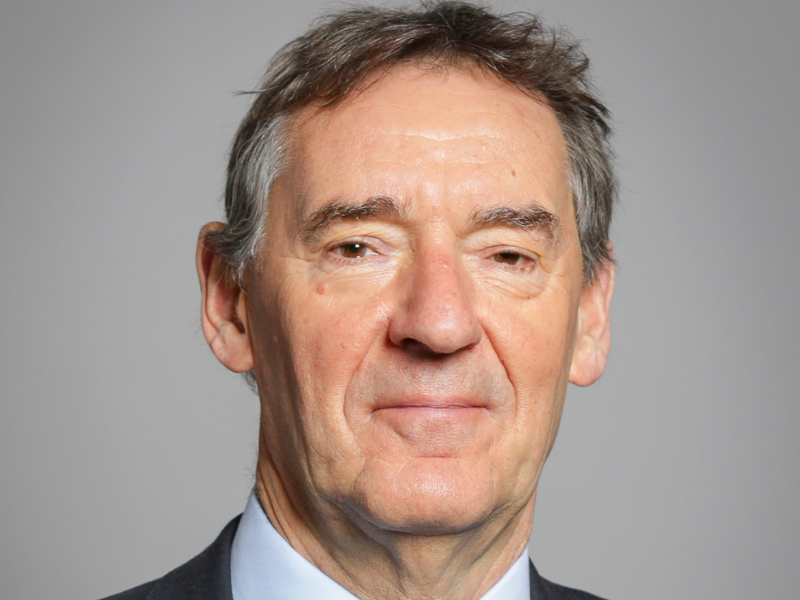
    Former chief economist at Goldman Sachs, Jim O’Neill was among those who expressed his doubts: “I would have thought virtually every major professional practices firm, whether they be finance or otherwise, is going to have some form of home-working as a result of what we’ve learned during the pandemic.” And is that the case for Goldman Sachs too? “It might be harder to keep that culture so I can see why David said that.”

    Now it emerges that there are reports that young staffers at Goldman Sachs have warned that they might quit if work conditions don’t improve. Certain eye-opening statistics emerged as a result of an internal survey among an admittedly small data sample of 13 employees (Goldman employs over 38,000 people). Even so an average working week of 95 hours, with a mere five hours of sleep per night, appears to be an increasingly unpopular status quo.

    Former Goldman Sachs chief economist, Jim O’Neill


    O’Neill continued: “Yes, I can see why David said it, but I cannot imagine Goldman will go back to the same arrangements as before. The idea that everybody has to be in the building for 15 hours a day, five days a week – I can’t see that continuing in a million years.”

    It’s worth noting that Solomon’s initial remarks were tethered to the question of the future of young people within the firm: Mr Solomon described the atmosphere at Goldman Sachs as “innovative, collaborative, apprenticeship culture” when explaining why he viewed the bank as ill-suited to home-working.

    High-profile lawyer, Mark Stephens, whose clients include James Hewitt, Julian Assange and Mike Tyson, was unimpressed by the remarks. Solomon has been “unfortunately unclear”, he told Finito World, because he did not make it explicit he was talking, “in the context of Goldman Sachs – in particular, the bearpit of traders that needs proximity and collaboration.” Stephens added that it is likely that “other businesses are going to move away from old-fashioned working and will be more flexible.” 

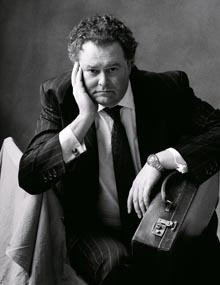
    Mark Stephens criticised Solomon’s remarks (photo: Neil Gavin)


    Others expressed themselves unsurprised by Solomon’s remarks. David Dwek explained that according to a recent survey of 500 respondents carried out by his firm DC Dwek Corporate Finance in collaboration with BLAS and Klapa8, ‘over 70% of senior executives are suffering the effects of Zoom or isolation fatigue related to the current situation and to the working environment.”

    It might well be that remote-working arrangements affect CEOs particularly. Marta Ra, CEO of Paracelsus Recovery, has seen an increase of referrals from stressed-out CEOs. “In situations like this, people are looking for fulfilment,” she told us. ‘The typical CEO used to have his team of people. Hierarchy was the religion and now that’s missing.”

    David Dawkins, staff writer at Forbes magazine, who has written extensively about the banking sector, was unsurprised by the comments. In his view, Solomon “understands just how valuable Goldman’s culture is. It’s part of a soft power that draws the best graduates and mid-career professionals towards it.”  

    This was a reminder that Solomon’s remarks – made at a Credit Suisse AG conference – were prompted more by a desire to return to the “culture” of banking rather than any serious practical impediment, since the company operated throughout 2020 with less than 10% of workers in the office. And the financial performance has hardly been worrying. In January 2021, the group reported net revenues of $44.56 billion and net earnings of $9.46 billion for the year ended December 31, 2020.

    To put that in context, look at the bank’s performance in 2019. Then the bank reported net revenues of $36.55 billion and net earnings of $8.47 billion for the year ended December 31, 2019. These figures would appear to suggest that the bank is well capable of functioning on a different basis.

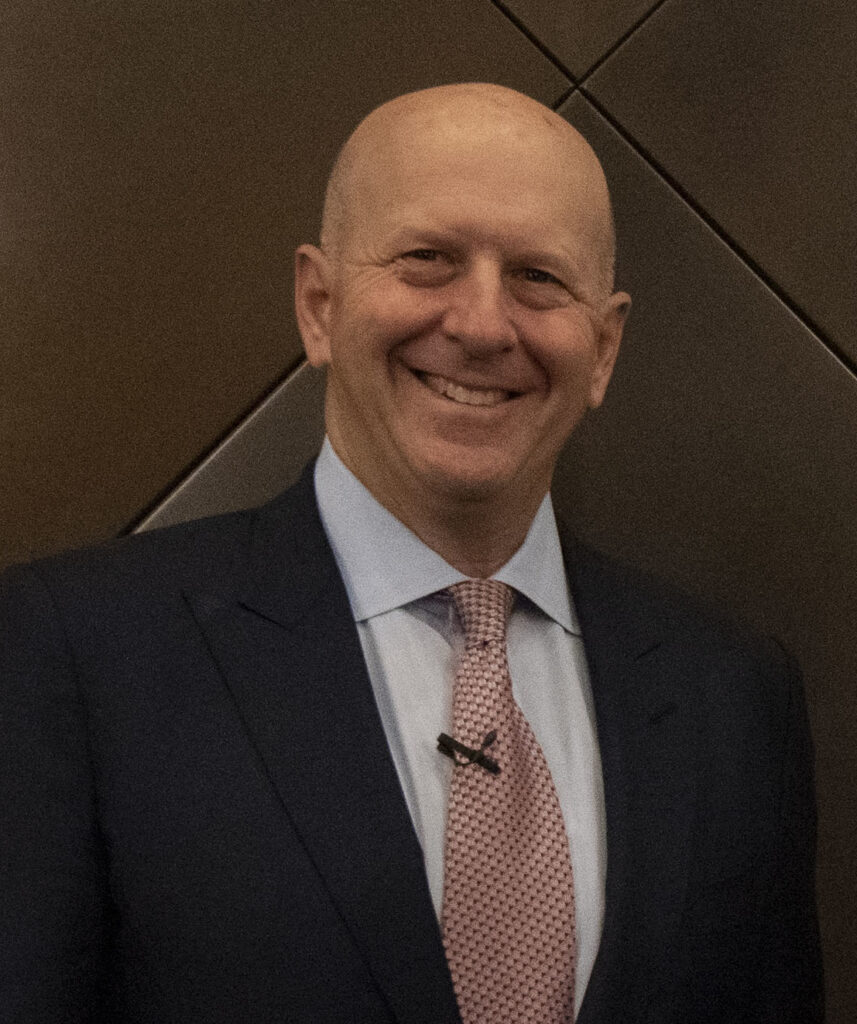
    In spite of the controversy Solomon has presided over an impressive period of growth for the firm (Photo: (DoD photo by Lisa Ferdinando)

    But if the bank didn’t return to the old ways, something would be lost according to Dawkins: “The pedigree of its former staff, the quasi-masonic structure of its partner system, makes Goldmans an incredibly aspirational place to work. But how do they keep that culture going when staffers can’t see and feel it all around them during 12-16 hours of a working day at Goldman?”  

    But not everyone was piling in on Mr. Solomon. One data analyst, who spoke to us on condition of anonymity, concurred with Solomon’s remarks: “For me, working from home was a one-off venture. I enjoyed the journey but the office environment is a lot better. It’s all about communication; it’s much easier to communicate with your colleagues in the office. At home, you can’t catch your manager for two minutes to ask a quick but important question.”

    Solomon’s move is also in direct opposition to many other sectors, such as the tech industry, whose major firms expect working from home to be a central component of work going forwards. Microsoft, for example, is offering its staff working from home options after the pandemic, so long as employees can secure managerial approval. Giants such as Twitter and Facebook have also decided to make remote-working a permanent option. 

    Mr Solomon’s stance isn’t just about a return for the sake of pure productivity, but in consideration of the incoming graduates, around 3,000 of whom he worries will not have received the face-to face interactions and mentorship they require. 

    All of this is why Mr Solomon has been one of the most vocal private sector leaders in urging the government to ease restrictions, to allow workers back into offices. He is not alone in the banking world either: Jamie Dimon, the chief executive of Morgan Stanley, has previously stated that working from home has lowered productivity levels. 

    Working from home has been hailed as revolutionary by works who gain time from dropping the commute. A PWC survey found that around 55% of employers said they expected staff to work at home flexibly in the future after the pandemic. 

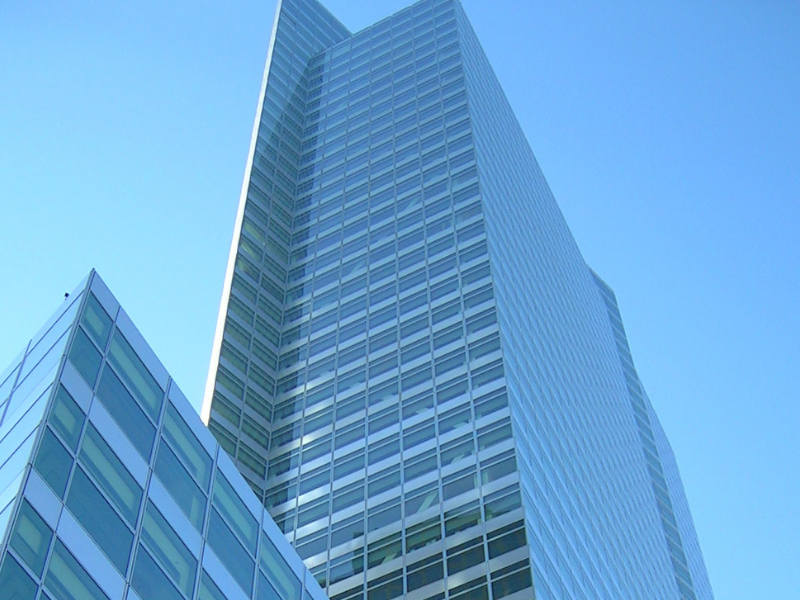
    Yet Goldman Sachs seems unlikely to partake in the revolution anytime soon – particularly, as Dawkins points out, since the firm recently built a new £1 billion pound headquarters that is “so obviously designed around keeping the staff within the GS bubble for as much of the day as possible.” Dawkins imagines “thirsty Goldman Sachs staffers staring at one another – judging, aspiring, ranking themselves alongside their peers.” 

    But for our insider data analyst the experience of returning to the office is a more benevolent one. He describes it as an educational process of “seeing the pressure” and adds that, being in that environment “puts you in the right mindset.”

    That level of animal competition is certainly hard to simulate over Zoom. But for Solomon to succeed in the post-pandemic new normal he’ll need the support of those who work for him.  

    Photo credit: Quantumquark

  • The Poet at Work IV: Omar Sabbagh

    The Poet at Work IV: Omar Sabbagh

    In the latest in our series focussing on poetry and the workplace, Omar Sabbagh discusses how his work as a university professor has impacted on his creativity

    As a university teacher I am fortunate in the kind of work my profession demands.  My vocation as a writer, critical or creative, is where my personal hopes and projects and overall wished-for trajectory lie with most force. But I have often been inspired to write from out of the milieu of my day-job.  

    Working in education educates the educator, you might say, in more ways than in just the way any work educates.  In a sense, this has always been part of academic professions: a lecture and its reception can spur a new inkling for an academic article, or lead to a new insight.  There are, in fact, many examples in my own life-experience of this happening. Here, for example, is a poem written quite swiftly after teaching a class on Plato:

    White Noise

    Strange to say it, but I’ve a nose for such things,

    Smelling the whiteness, greenness, and so on…


    I teach Plato, for instance, and the platonic folly

    Of seeing that you see, the light, the lightest worry,


    And I dance across the stage of the dapper class

    Raging wrongs, kinds of error, lessening in kindness,


    And I dance like the eye does / like the other one,

    Too, where two eyes make one, make two, make


    That seam that seams like with like, with unlike.

    And with unlike, I teach my pupils to grow, blacker


    And blacker, till they return to their origin of white.

    I’ve a nose for such things, though it’s strange to say it.

    And the white noise, and the white noise muddles along

    To the middle of the flesh that meets the dark laughter.  


    Work comes bearing gifts.  And you don’t have to have enjoyed Seamus Heaney’s ‘Digging’, to know that cultivating work with the pen can be just as nourishing as agriculture. But at the same time, one can also recognize the truth in the old romantic myth of ‘the tree of idleness.’  

    The romantic notion here is that truly creative work is not actually ‘work.’  That artists are born not made.  Under this mythography, the muse visits capriciously and the poet must be readied for that caprice.  And to be readied for that caprice means not to be doing anything else but waiting.  There is probably truth to this because idleness, rather than rigorous diligence, allows for more contingencies to pile up, and then for those to become actuated.  

    I’ve often found there’s a delayed reward to work. Often you read around a topic to seemingly little effect at the time.  But ten years later you might happen to be working on something to which the older work suddenly contributes, leading to its success.  I think this lesson is applicable in all our work lives.  If you work in a company which involves, say, the cultivating of contacts it can happen that eight years later, three companies on, perhaps the fortuitousness of having cultivated certain relationships which bore no profit whatsoever at the time, becomes in hindsight the centre of a sudden present success.  Scientists also find that a play of the imagination – whereby inventions and hypotheses are made without any immediate fruit – can later turn out to be the source of a new technology or line of research and development.  

    Play is at the heart of progress of whatever sort – and imagination is constructive, not merely fanciful. It is part of seeing well, and that’s just as relevant to an Einstein or a Keynes or a Bill Gates, as to people like me. In an essay criticizing quantitative trends in the adjudication of the fruitfulness of ‘academic’ work, Stefan Collini writes:

    Publication in the humanities is, therefore, not always a matter of communicating ‘new findings’ or proposing a ‘new theory.’  It is often the expression of the deepened understanding which some individual has acquired, through much reading, discussion, and reflection, on a topic which has been in some senses ‘known’ for many generations.[1]

    I like the way Collini correctly highlights that ‘newness’ is not a given, or even something immediately at hand.  

    My poem ‘More’ was also written very swiftly. The poem opens up into another way in which work might impact on writing – how one’s marriage, and the relationship of your spouse to work, might alter what you write.  It doesn’t have much to do with gender in this case, but rather with the interface of different temperaments – the idle (myself) and the industrious (the beloved in this poem).  And I suppose the moral of this poem is that those who won’t countenance the felicities of idleness, may end up feeling more fruitless than they otherwise would.  In this sense, idleness may seem from the poet’s perspective like a kind of health-giving temperance – a living with the let-live.  


    More


    For Faten


    You look to a spot that’s taken by a star

    Because there’s so much more

    You could be doing,


    And so much more, the air above, beneath your

    Wings; and more – in lists I cannot bring

    To cornicing, polish, finishing.

    You’ve a dark-browed hunger more

    Like anger – but possessed, too

    At times, of a simpler, lighter hue;


    But when the missed ambition strikes

    You look at me, busied in my blue

    Music, and decide to mar


    The day with your temper: tics,

    My love, I’ve gotten used to.


    Omar Sabbagh is a widely published poet, writer and critic.  His latest books are: Reading Fiona Sampson: A Study in Contemporary Poetry and Poetics (Anthem Press, 2020); To My Mind or Kinbotes: Essays on Literature (Whisk(e)y Tit, 2021).  Morning Lit: Portals After Alia is forthcoming in early 2022 with Cinnamon Press.  Currently, he teaches at the American University in Dubai (AUD), where he is Associate Professor of English.


    [1]Stefan Collini, ‘Against Prodspeak: “Research” in the Humanities’, in English Pasts: Essays in History and Culture, Oxford: Oxford University Press, 1999, p. 243.