Sir David Lidington, the former de facto No. 2 in the May administration, talks about how a history degree has helped him in his political career
Certain traits define an aptitude for elected politics, and I’ve tended to find they can be aided by a study of history. One useful aptitude would be fascination with human beings – what makes them tick, and how power is exercised. Secondly – regardless of whether you come from the left, right, or center – almost everyone I’ve met in politics starts with a commitment to changing things for the better in their country. To do that, it helps to know what injustices have existed in the past.
There’s a third thing, and I would say it also separates the natural politician from the civil servant: a certain zest for the theatre. Politics involves a willingness to take risk, and to be prepared to stand on the stage at the end, and not know whether you’ll have a standing ovation or a bag of rotten tomatoes slung at you. The natural civil servants shy away from that but what’s interesting is you sometimes see a politician who’s really a civil servant – and then a mandarin who’s really a politician. The thespian is striving to get out there.
The wonderful thing about history is that it trains the imagination: when you start to really delve into history – and read deeply as well as widely in a particular era – you find people in the past had various assumptions and moral codes that can be very different from how we operate today. For example, for people living in 1800 or 1850 the idea that there was going to be this industrial revolution, and transformative migration of people to cities, and a growth of urban conurbations – that’s something which some might have predicted, but by no means everyone. Training of the imagination is important.
History also teaches you how to use and assess evidence. Particularly in postgraduate study, you have to go back to original source material and assess the reliability of it. You look at state papers, which by and large deal with high politics and the people at the top. But if you go to legal records, there you find out about yeomen and merchants – the people who went on Chaucer’s pilgrimage to Canterbury all crop up as plaintiffs or defendants.
Another applicable aspect of history was borne in on me when I was Europe Minister. I visited about 40 countries from Russia and Turkey, to the South Caucasus and Iceland. If you want to understand today’s political outlook you have to understand what happened in the past. What are the demons they still fear? What are the experiences that have shaped the outlook of a particular society today?
For instance, I have long felt that the tension that has always existed between the UK and the EU derived in large measure from contrasting experiences and lessons in the mid- 20th century. For most of Europe this was a period of disaster when national institutions all failed in the face of tyranny, invasion and ethnic hatred. From the EU perspective, therefore you have to build up those institutions to stop anything happening again.
Another example would be China. I remember a few years ago, I met Xi Jinping’s number two, and he started out with this recital about the Opium Wars and how China had been attacked in the 19th century because it was weak and the European powers had exploited her. Hearing that, I began to understand why they see the world as they do today. They feel a need to put right the century of humiliation and to restore China’s place as a global power. One needn’t necessarily agree with that – but you have to understand how the other side thinks.
So history is a real asset in politics because you learn how human beings interact with each other, how relationships and power is mediated through institutions, and what lies behind the motivation of countries and individuals. How a Tudor court operates is good for understanding all about access in No.10 Downing Street. Now you have your special advisers rather than Grooms of the Stole or royal pages. Think about Elizabeth I. Who was it who could actually get in to see the monarch and be sure you got your bit of paper in front of her? Likewise, today – who can get something in the prime minister’s box? Patterns reproduce.
One of the most difficult things for government or for the man or woman who’s prime minister is finding time to regenerate yourself and your government while in office. There are always things pressing in. For me the great prime minister of the 19th century was Robert Peel: he was prepared to change his mind when the facts had changed. If you look at how he moved on Catholic Emancipation and on the Corn Laws and trade you can see that he took decisions based on what he thought was right for the country even at the fatal cost to his own political fortunes. Disraeli was vastly entertaining, but Peel was the greater man and the greater prime minister.
David Lidington was deputy prime minister under Theresa May and is now Knight Commander of the Order of the Bath
Read Sir David Lidington’s advice on handling the stress of a high-pressure job here
Stuart Johnson has led the careers team at Bristol since 2014. We asked him how his team helps students work towards employment after graduation.
“I don’t think there’s any kind of magic bullet for this. There are a few tricks you can do to try and turn things around quickly, but that doesn’t mean it would be sustainable,” Johnson explains. “We need to work with students’ ambitions and dreams – it’s not about crowbarring students into opportunities to make the numbers look better.”
Motivation to succeed is always a hurdle which must be overcome in university, but Stuart has seen the way that Covid-19 has compounded the issue.
“It’s clearly hit the younger generation disproportionately,” Johnson continues “They’re facing a tough job market and whether students have stayed in their university accommodation or returned to their families, they’re living in less-than-ideal situations. A lot of them haven’t had the vaccine yet, they’re faced with bad news about the labour market, and some of them can just give up.”
Johnson believes that motivation and opportunity both work hand-in-hand to help students get on track. He says that a major part of his work is “about raising ambitions and helping (students) see the breadth of opportunities available to them”. Many students come to university motivated, with a clear plan for their futures.
I ask Johnson how he helps students who aren’t quite there yet.
“One of the things we pride ourselves in is the support we offer to such students,” Johnson replies. “That could be because they come from a disadvantaged background, they could lack the social capital, or they could have just been slow off the mark to think of these things – so as a general principle we try to engage students very early in their university careers.”
According to Johnson motivating and preparing students for the world of work is only half of the job: “At least as important is creating the pull from the other side with employers who are interested in our students,” he explains. “That’s partly the big-name employers, which is why we’re so targeted by The Times’ Top 100, but importantly also with local small to medium sized enterprises. We play an important role in the civic infrastructure of the city and growing the local economy.”
The job market is complex and intimidating, especially now, so Johnson is trying to teach students to understand it and remain flexible in their ambitions.
“We help students understand where the jobs are, because if they think that there aren’t any, that’s where they can quickly give up hope.” And where are those jobs to be found? “They might need to look in a different place or sector than they were originally thinking, then it’s much better to do that than to wait around for the ‘perfect opportunity’.”
Johnson understands the issues which students are currently facing, and he’s worked in the careers service for seven and a half years. In closing, we asked him to give some general advice to a student or fresh graduate reading this now. “Use your networks if you have them and focus your applications,” Johnson says. “I’m always nervous of people saying they’ve applied for 100 jobs and not gotten them – it’s usually better to apply for five really well.”
If you ask almost any student why they go to university, they’ll tell you: “To get a job after I graduate” or “To help my career”. It amounts to a longstanding contract between the university system and its clientele – parents and students. But after the 2007-8 financial crisis struck, and still more after the advent of the pandemic, there have been doubts as to whether the young are really getting a good deal out of the university system.
So are universities doing enough to help students achieve their goals? Over the summer, Finito World took a special look at university careers services across the UK to see what works, what doesn’t, and what can be done to fix it.
The first issue is the value of a degree as a whole. Given the sheer numbers of people now achieving graduate and postgraduate degrees, employers are looking outside of academic excellence for attributes which make a particular applicant stand out. This can be an internship or work placement, independent work completed outside of university, the imaginative force a candidate’s application – and any number of other factors depending on an applicant’s chosen field.
Euan Blair, son of the former UK prime minister Tony Blair, is an entrepreneur who runs an education start-up called Multiverse. The company, which made headlines this year on account of its valuation at £147 million, helps young people find apprenticeships as an alternative to university altogether. He believes that the culture of universities must change to focus more on employment after graduation.
“There are a lot of people in the university system who fervently believe that they should not be equipping people for jobs and that it should be learning for learning’s sake and people should do what they enjoy to learn,” Blair tells Finito World. “And that’s all well and good – until it isn’t. Actually people have to make trade-offs, and that’s the case particularly when universities have allowed there to be this assumption that if you go and get a degree, you’ll be able to get a job.”
Not everyone comes to university with a clear idea of their career ahead. It’s certainly true that students will sometimes attend university with a “learning for learning’s sake” mindset, particularly in the arts and humanities. This mindset is noble in many ways, but it has its drawbacks. For instance, students may find that the degree they’ve completed out of a love for the subject matter may not leave any clear path to the world of work.
Antonia Clark is a careers consultant at City University of London with over 25 years of experience. She often sees the struggles students face when trying to figure a way to make a living from their passions.
“Many of them are studying subjects that they’re interested in, but they just can’t relate it to a career,” Clark explains. “Then they get to the point where they postpone [finding a career], because everything they think they see is banking or finance, and they don’t want it.”
In her role, Clark has seen up close the clash between academia and employability described by Blair. “There’s this huge divide between people like me and academics – some of whom say ‘we don’t want to do that stuff, we focus on the research’. If students want careers advice we employ a careers service or a placement team and that’s where they should go,” she continues. “But actually it’s wrong to think young people are that motivated. Many of them feel daunted by the task and an overwhelming sense of competition perpetuated by the media. I think it’s about the guarantee of these skills being built in to the degree.”
One of the ways that university careers services try to help students is to get them thinking about employment early in their university careers – typically during the first year. However, careers services typically have low engagement with the student population. “Only a small proportion of students use the careers service, and that’s pretty much the case nationally. For us (at City) it’s about 11 per cent or 12 per cent of the student body,” Clark concedes.
Even the act of finding people to speak with for this feature proved Antonia’s point – the general attitudes of the students contacted were those of apathy, lack of confidence, and ignorance of their universities’ careers services. To combat this lack of engagement, some universities, including City, are introducing mandatory employment-focused modules.
“This coming year, all City degrees will have some sort of professional experience built into them. First year business students all take part in an employability module. Science, maths, and engineering have one in year one as well, which is just a small element of their course, but it’s there,” Clark explains. “We’re piloting a sociology course which will work with a local charity as well. It’s that stuff which really focuses a student in terms of competing at the end and giving them valuable experience.”
If the value of a degree in terms of employability comes from apprenticeships and work experience, students may wonder what the point of the academic side of university is in the first place. Aside from the fact that many jobs require a university qualification, data from the Office for National Statistics (ONS) shows that graduates were less likely to be unemployed during the pandemic.
In a study focused on graduate outcomes during the pandemic, the ONS found that graduate unemployment “has been consistently lower than the total” unemployment rate. This doesn’t mean that graduates haven’t been hard hit by the pandemic – in fact, the same study shows that unemployment rates for recent graduates were much higher than usual, reaching a worrying 12 per cent in the third quarter of 2020.
Even so, it’s still far better to be a graduate than not. The ONS chalks up graduates’ lower rates of unemployment compared to other groups to their higher level of skills as well as their higher levels of “occupational and geographic mobility”. However, just because a graduate is employed, they are not necessarily in a professional career appropriate to their skill level, and – worryingly again – the skill-to-work mismatch turns out to be higher amongst graduates.
The problems with the current system are clear. A greater focus on apprenticeships while attending university is just one of many possible solutions. Robert Halfon MP, who chairs the Education Select Committee, has frequently spoken and written about the ways that universities need to evolve in order to survive as an effective, sensible path to employment.
“If I was in government, I’d be incentivising every company in the country to work with universities and give grants to universities conditional on whether they have a significant number of degree apprenticeships. Every university should do it. It depresses me that Oxford has closed its doors to any kind of apprenticeship at all,” Halfon tells us.
While there is movement towards greater integration between universities and the working world, traditional institutions have often not joined in that shift.
“We look at elite universities the wrong way in our country,” Halfon continues. “An elite university should have a lot of people from disadvantaged backgrounds, brilliant graduate outcomes, embedded work experience and training in the curriculum – and, most of all, significant degree apprenticeships.”
Euan Blair adds that he is wary of giving universities advice, but that there are clearly issues with the current system: “I think that there will always be and should always be a place for purely academic learning in a university environment,” he says. “The challenge is, it sort of became this monopoly on early careers in a really negative way. That’s made universities complacent and it’s created this lack of equal access to opportunity – particularly around careers.”
University is an expensive undertaking, both in terms of time and money, yet it is now almost universally expected of Britain’s middle class young people. Attending university for the sake of pure academia is considered acceptable, even honourable, provided the funds are there – but students who attend university with the idea that they will get a job more easily after graduation may be in for a shock.
The great difficulty in writing about the universities is that the stories of apathy in the sector meet the problem that apathy tends not to be particularly responsive. Nevertheless, below we have compiled profiles of the most prominent careers services in the UK, based on extensive research and interviews with members of staff. Insodoing we have come up with our inaugural Finito World rankings of the top universities.
In order to do this, we took criteria including technological offering, presence of noteworthy guest speakers, visibility on campus, social media content, size of team, navigability of website, and engagement levels of students to produce our exclusive Top Ten of the best careers services in the country. We also factored in a university’s place on the QS Graduate Employability Rankings of 2020, which focused on outcomes for students after leaving university. By examining these factors and assigning ratings for each categories based on our own research, we were able to produce overall scores for each university.
So what are the findings? Firstly, while we saw much that was promising among universities, the student engagement is almost always too low and the services in question insufficiently hands-on. There remains much to be done to make sure that students get a fair shake in a highly competitive global economy.
Some areas for improvement turned up time and again. Extensive early engagement with the careers service did happen at some universities, but it was certainly not the norm. Many of the universities are rightly proud of the one-to-one counselling aspect of their programmes, but unfortunately they are only seeing a small percentage of students on that basis. Lack of engagement with the careers service can also stem from the fact that students may not be thinking about their future careers during their first or second year. It should be a university’s job to ensure that students are aware of the services offered, and to remind them that it is best to begin thinking about careers early in their university lives. Some universities did achieve this through engagement during fresher’s week, careers fairs, and careers-based modules, but by no means all and that approach should be universal. In addition, if engagement among the Russell Group universities isn’t high then this raises serious questions for other universities, where student employability outcomes are far lower – and in some cases worryingly so.
Secondly, it is clear that there is a considerable gap in the national fabric where a profound mentoring service ought to be. It is clear that this need to be enacted by the private sector, as this magazine’s parent company has shown. However, it may be that the private sector needs to partner with our existing university institutions at a far deeper level, and Finito World will be exploring these ideas in subsequent issues. Put simply, many of the universities lacked a personal touch in their careers guidance and would benefit from taking a more one-to-one approach. Careers counselling should take the form of mentorship, not one-off meetings. By keeping the same counsellor/mentor, a student can build a relationship with them, allowing the student to open up about their true dreams and aspirations. We know there is a lot of anxiety around asking for help, so it is much better for a student to speak with someone they already know and trust than to walk into an office for the first time not knowing what to expect.
However, there were many silver linings too, and these were to be found when we were able to conduct in-depth conversations with careers officers. We have tended to find members of staff at these universities to be both qualified and motivated to help their students. The apathy we have referenced surrounding careers centres has not been displayed by any of the university staff profiled in this feature. In some cases, they have also been disappointed in lack of engagement with their services, especially when the services they offer would be beneficial to students if they took advantage of them.
Cambridge University
Finito Score: 93/100
Fast Facts
Sometimes considered the top careers centre in the UK, this offering is run by Director Jenny Blakesley. In 2020, Cambridge careers centre made the switch from its old system to Handshake – an app which allows students to network with employers, contact the careers centre and schedule meetings, check the status of their applications, and see new job listings tailored to their profiles – it has achieved positive reviews on the App Store. The careers service also provides advice and support for current students at all levels of study as well as alumni. Alumni benefit from the Alumni Careers Connect program, which connects graduates with mentors who have successfully transitioned to the world of work. This is all very good, but there have been occasional bumps in the road in terms of delivery. In 2019, the careers centre sent out an email entitled, “Disappointing results? Our top advice,” which many students found patronising and alarming. To their credit, the service subsequently issued an apology.
Director Jenny Blakesley
When she took over the Director of Careers role at Cambridge in 2019, Jenny Blakesley already had 15 years’ experience in the field. She led the careers services at the London School of Economics and King’s College London after working in careers at Queen Mary, the University of London, and more. She was instrumental in the switch to Handshake. Blakesley studied at the University of Bath, where she received a BSc in Pharmacology.
Oxford University
Finito Score: 91/100
Fast Facts
The Oxford Careers Service is housed in an appropriately aged and ornate building located next to Wycliffe Hall. The service offers online resources which help with CVs, networking, and interviews, as well as traditional in-person guidance. The careers service publishes “The Oxford Guide to Careers” annually, which contains industry information, tips from employers, and help with planning for the future. Students and alumni can find job listings, book meetings, and see upcoming careers events through the online CareerConnect portal. Their website is good, but visually uninteresting. Extensive advice is available for students on the website, however it is presented mainly as text with little video content. Despite this, they are still providing a good service with few issues.
Director Jonathan Black
Jonathan Black has led the careers service at Oxford for 13 years. He studied and pursued a career in engineering before moving into finance. Now, he helps students by creating new careers programmes, delivering advice seminars, and coaching students individually. He wrote the book “Where am I going and can I have a map?” in 2017, which Emma Jacobs of the Financial Times described as a “wise, calming, and pragmatic” careers guide.
University College London
Finito Score: 85/100
Fast Facts
UCL Careers offers an employment newsletter, an annual careers guide, alumni mentoring, and tailored one-on-one advice. UCL students can book three different types of appointment with the careers centre, depending on their needs. Meetings for applications advice, interview coaching, and short, general guidance are available with UCL careers consultants. Their website could be easier to navigate, and video content is not prominently displayed. The careers service would benefit from an overhaul of their website, because they do offer good services and information which is easily locatable.
Imperial College London
Finito Score: 83/100
Fast Facts
The ICL Careers Service provides all you would expect from a top-level organisation: alumni support, one-on-one counselling, networking events, and online careers resources. What makes them stand out is their focus on students’ wellbeing. The front page of the careers service website features frequently asked questions about the careers service and the job market during Covid-19, as well as a section dedicated to diversity and inclusion. The service also has a section called “You said… we did”, which explains how the university is addressing issues with the service which are flagged up by students. ICL could be higher on the list if their careers office was more centrally located. A larger emphasis on employability during fresher’s week would also improve its score.
Director Jason Yarrow
Jason Yarrow has worked in careers advice for 17 years, becoming Director of the Careers Service at ICL in 2017. He holds degrees in Careers Guidance, Management, and an MA in Geography and European Studies.
University of Manchester
Finito Score: 78/100
Fast Facts
The Manchester Careers Service is designed to help students not only find a job but decide what job will suit them best. One of the first things you see on their website is a downloadable guide with the name “I don’t know what I want to do”. This guide assures students that being unsure about their future is perfectly fine and offers strategies to find a career which will fit a student’s passions and abilities. The service has a webchat feature for quick advice, and traditional meetings can be booked as well. One issue is the lack of transparency in regards to staff. While there are contact details available for the careers office, it is not clear who you will be talking to. This issue is such that we were unable to profile the Director of the careers service, as the information is not available. The service does emphasise work experience early in their students’ careers, with internship opportunities for first and second years displayed prominently on the front page. The location of the careers office is central and easily accessible, and the resources on the website look sound. This careers service would be much higher on the list if they made their staff more available for contact, and had more video resources on the website.
Bristol University
Finito Score: 78/100
Fast Facts
Over 60 members of staff work at the Bristol University Careers Service, under Director Stuart Johnston. An online portal offers links to events, CV help, job listings, and a live chat if students need help. The website is clean but unimaginative, and can be tiring to navigate when looking for specific information. Their Tyndall Avenue office is near the main campus, sporting colourful signage right next to the student’s union lettings building. The careers service should be more prominent during fresher’s week, but the university does have a wide variety of events and a careers week.
University of Nottingham
Finito Score: 77/100
Fast Facts
The Nottingham Careers Service office is located near the central student service centre, offering one-on-one guidance and resources to its students. The careers service is currently operating online, and the website prominently features a section called “Graduating in 2021”. This link takes students to a list of statements which may apply to them, such as “I’m worried about the job market” or “I’d like to gain work experience”, alongside relevant advice for each situation. They also offer Magpie, which is an online learning engine specifically tailored to each student based on level, career aspirations, and learning style. We have been unable to find evidence that students engage with the careers service during fresher’s week, but they do hold a careers fair and a wide variety of events. The website could also be slightly easier to navigate, though it holds a significant amount of information in video format.
Senior Careers Advisor Joanne Workman
Joanne Workman has worked in careers at Nottingham since 2019 and was promoted to Senior Careers Advisor in March 2021. She holds an MA in Career Development from Nottingham Trent University, which she achieved in 2019.
London School of Economics
Finito Score: 75/100
Fast Facts
The LSE careers service offers advice tailored to their focus as a university. The service offers advice on the usual things, such as CVs, interviews, and further study, but it also provides specific job market information and help navigating the psychometric assessments which are common in corporate job applications. You can find their staff, but it is not as easy as some other unis with a prominent “meet the staff” page. Their video resources are also not very well developed, but the service does offer many text-based resources. The department also offers career planning advice broken down for each year of study, outlining the events, internships, and networking opportunities available throughout a student’s time at LSE.
Director Elizabeth Darlington
Elizabeth Darlington has worked in the careers office at LSE since 2012, taking the role of director in 2019. Prior to joining the team, she gained experience as a careers advisor at both Oxford and Cambridge, as well as working in graduate recruitment at Barclay’s and L’Oreal. She achieved Honours in her BA History degree at Manchester University.
University of Leeds
Finito Score: 75/100
Fast Facts
Leeds Careers Centre is located near the refectory and student union. Its staff can offer same-day advice as well as mock interviews, application support, and help choosing a career for those who are still exploring. Its colourful website is neatly laid out with highlighted sections including appointment bookings, disability support, and judgement-free advice for changing or leaving a course. Its score would be improved if it had a more tangible focus on early engagement with the careers service, and if it were to graduate from a basic booking system to a more dedicated app or web service.
Mary Cawley
Mary Cawley has been Work Placement Project Officer at Leeds for three years, focusing on securing internship opportunities for her students. She holds a Bachelor’s degree in Philosophy and Theology from the University of Birmingham, and has past experience in both admissions and recruitment.
University of Edinburgh
Finito Score: 68/100
Fast Facts
The Edinburgh Careers Service is clear and easy to navigate. The department also has solid engagement on social media, which is updated frequently. The service’s website features an “ask a student” live chat function, as well as quick links to resources available on the front page for students in a hurry. The office is located in the main library. However it doesn’t have an app or program for the careers service – at least not one that can be seen by the public – but their fairly simple appointment booking portal should suffice. The department arguably needs to expand its video resources, and while they the service does have a careers week and engagement during fresher’s week, more contact with students would help their ranking.
Director Shelagh Green
Shelagh Green has been Director of Careers and Employability at Edinburgh for 12 years, and she has worked in careers at Edinburgh since 2000. She is a higher education careers professional who states that her role is to “enable students to make successful transitions to life beyond University”.
Despite being forced to resign, Boris Johnson still enjoys widespread grassroots support among Conservative Party members, a new survey finds. According to a poll conducted by Folkestone and Hythe Conservative Association on the 14th of July, and seen by Finito World, 49.4% of Grassroots Conservative Party Members would support him if he was on the ballot paper.
Boris Johnson will leave office after the summer and has said he is leaving with his ‘head held high’. This assessment appears to be shared by Conservative affiliates. Here are the numbers in full:
Boris Johnson: 49.4%
Penny Mordaunt 24.4%
Rishi Sunak 10.4%
Liz Truss 6.7%
Suella Braverman 3%
Tom Tugendhat 4.3%
Kemi Badenoch 1.8%
The survey consisted of a data pool of 167 verified responses, and reveals fascinating trends, amounting to an intriguing snapshot of the crucial voters beyond the parliamentary party who will ultimately decide who is the next Prime Minister.
Folkestone & Hythe Conservative Association Chairman, Stephen James, said: “Boris Johnson appears to still have wide support amongst my fellow members and some have even called for Boris Johnson to be added as a third name in the leadership contest. It is often said that the ‘Westminster Bubble’ isn’t a true reflection of the wider country, and this poll seems to support that premise.”
Asked what the key issues are for his members, James added: “Brexit, Furlough, Vaccines, and Ukraine are all issues that Boris can be proud of, and I think many will lament his departure. It will be interesting to see if Boris Johnson will use this support to influence the leadership race or if like his hero, Sir Winston Churchill, he will make a comeback… Boris Act II.”
However, the poll was also further good news for Penny Mordaunt, and further unsettling news for the other camps. In a poll without Boris, the results are as follows, with the former Defence Secretary out in front by an eye-popping margin:
Penny Mordaunt 52.7%
Rishi Sunak 13.9%
Liz Truss 13.9%
Suella Braverman 6.1%
Tom Tugendhat 7.9%
Kemi Badenoch 5.5%
Finito World News Director Christopher Jackson said: “Much can happen still in this race, but this latest poll only confirms that all the momentum at the moment is with Penny Mordaunt. It’s clear that in a crowded field she has managed to cut through among Tory grassroots in a way that none of the other candidates has been able to do.”
Penny Mordaunt MP
The Member of Parliament for Folkestone & Hythe, Damian Collins MP added on Twitter: “Penny Mordaunt is a team player and a leader you can trust. She has a track record of service that will make her an outstanding Prime Minister #PM4PM.”
Ever thought you might like to live and work abroad? Patrick Crowder’s guide to the best cities to work in is designed to help
If you are like many people in the world right now, you may be in a time of flux when it comes to your career. Some were furloughed, many were let go, and others have decided to make a career shift with their eyes open to new priorities following the pandemic. Now that the UK has fully scrapped the Amber List and the world is opening back up, travel is back on the menu. So if you’re looking for a guide to working in some of the best cities across the globe, you’ve come to the right place. We cannot, of course, tell you where you want to live – much of it will come down to personal preference. What kind of work environment do you enjoy? Do you know another language, or are you willing to learn? What sector do you hope to work in? Do you like the big city life, or is being close to nature important to you? We cannot answer these questions for you, but we can provide the information needed to make an informed decision.
It is impossible to capture all of the diverse characteristics of these cities in relatively brief profiles, and that is not our aim. Rather, the main purpose to this list is to give our readers a starting point which considers specific crucial factors when considering where to work around the world. We mostly chose capital cities to profile, however there are a number of other cities which are not capitals that hold too much economic and cultural relevance to exclude. When ranking the cities, we examined five factors: Work-life balance, cost of living vs. average salary, health of the start-up ecosystem, number of major companies, and diversity of opportunities within the city. All of these come together to form a city’s score. Beijing, for example, is an excellent city for start-ups and has a wide range of major companies located there. However, the high cost of living coupled with the infamous “996” work culture brings down the city’s score. We obtained the average salaries from the online salary comparison tool Payscale, and the cost-of-living information from Numbeo’s internet database.
The written profile at the beginning of each city’s entry is written with a prospective employee in mind – someone who has never been to the city before and does not understand the expectations and culture surrounding life there. Therefore, we have also included information about the major industries of the city, expectations in the working world and cultural considerations, as well as opportunities to experience the unique architecture, art, music, nature, and cuisine each city has to offer.
Throughout our research into these cities, we have noticed a number of trends which are important to understanding the trade-offs of working in various places. In general, large cities such as New York and Beijing tend to have a high level of opportunity in a variety of sectors, but with that comes harsh competition and less of an emphasis on work-life balance. They also tend to have higher costs of living than smaller cities. On the other hand, smaller cities tend to boast a better work life balance and less competition, but often have less developed start-up ecosystems and few major companies there. Honolulu shows these characteristics, though with a population of around 900,000 it is not a truly “small” city. Honolulu also suffers from the issue of a lack of varied opportunities. Because most of the industry there is based in defence and US military bases, funding which would have been funnelled to a variety of start-ups and other industries is not available meaning that your options for employment are narrow. This is also a great example of why these rankings may not mean the same thing to everyone; if you work in defence, then Honolulu could be your number one city – but quite likely not if you don’t.
Scandinavia stood out on this list as an excellent place to work and live, with Copenhagen taking the top spot. The Scandinavian cities we have profiled all place extreme emphasis on work-life balance, have major companies in a variety of sectors, and pay well. This does, however, come at the cost of high-living costs and expensive property prices.
The vast majority of these cities excel in some aspects and leave a bit to be desired in others, which is natural considering the effects that size, location, and economy have on business. In the end, it comes down to what your priorities are, and we hope this list will help you make an informed decision on your journey through the international world of work.
Copenhagen
Copenhagen is the capital of Denmark, known for its architecture, canals, and title of “happiest city in the world”. It has a population of 602,481 people according to a 2017 count. Historically fishing was vital to the economy of the city, but now Copenhagen’s main industries are life sciences, transport, construction, and smart city development. The work culture in Denmark is known for being informal and focused on achieving a good work-life balance. There are no dress codes, and office hierarchies have been mostly replaced by democratic discourse. Skill and initiative are just as essential in Copenhagen as any other city, but you may find this informal work life to be a nice break from the ‘rat race’ of more fast-paced cities. A one-bedroom apartment in the city centre will cost £1,254 per month according to Numbeo, which means that someone making average salary can expect to put about 33% of their income towards rent. The public transport system in Copenhagen is excellent, as it is in the rest of Denmark, making owning a car unnecessary.
Minimum Wage: While there is no blanket minimum wage in Denmark, lobbying by various unions has led to an average minimum wage of £12.65 (110 Danish Krone)
Average Salary: £45,985.55 (DKK400,000) according to Payscale.
City Centre Apartment Price: £6015.51 per sq/m (DKK52,267.78) according to Numbeo.
Start-ups: Copenhagen has a healthy start-up ecosystem with opportunities in tech, real estate, and finance. According to Startup Genome, it has £471,227,945 in total early-stage funding. Non-profit funds and frequent start-up events make Copenhagen an exciting place to launch a successful start-up. Food delivery giant Just Eat got its start in the city before going worldwide.
Major Companies: Copenhagen was called the easiest place to do business in the world by Forbes in their 2021 Global Business Complexity Index, so it makes sense that many powerhouse companies have headquarters in the capital. The most valuable Copenhagen-based companies are Ørsted (utilities), Maersk Group (transportation). Carlsberg Group (beverages), Danske Bank, Lundbeck (pharmaceuticals), and ISS A/S (services), according to the 2019 Forbes list.
2. New York
New York is America’s largest city, with a population of 8,336,817 according to the 2019 US Census. Life and work in NYC is fast-paced, and ample competition brings ample opportunity. This environment can be exciting for many, but some who move to New York will find themselves slipping on the big city life if they are not accustomed to it. Home to the New York Stock Exchange (NYSE), the finance sector dominates the city, and many of the top employers are banks and tech companies. NYC property is always at a premium, and it has some of the highest property costs in the country. Average rent on an apartment in Manhattan, for instance, was £3,110.20 ($4,210) according to Rent Café’s 2020 National Rent Report. While average salaries in New York can be quite high, this is balanced by the cost of living which is equally terrific. If you plan to rent, you can expect to spend at least 30% of your income on keeping the lights on, according to that same report. Many choose to live outside the city and commute in, which is made possible by New York’s well-developed public transit systems.
Minimum Wage: £11.08 ($15)
Average Salary: £59,112.40 ($80,000) according to Payscale.
City Centre Apartment Price: £575,607.00 ($779,000) according to Zillow.com
Start-ups: New York City is well-known as being an excellent city for start-ups to flourish, particularly in the tech sector. NYC ranked second behind Silicon Valley in the 2021 Global Startup Ecosystem Report.
Major Companies: New York City is home to many international powerhouse companies, which is unsurprising considering it is also the home of the New York Stock Exchange. According to the recruitment company Zippia, the top ten largest employers with headquarters in NYC are IBM, Bank of China, Healthfield Operating Group, Deloitte, PepsiCo, JP Morgan/Chase, Citigroup, Citicorp, Moscow Cablecom, and Sheraton Hotels and Resorts. IBM tops the list at around 350,600 employees.
3. Amsterdam
Amsterdam is the capital of the Netherlands, famous for its canals, museums, and rich art history. The capital has a population of 1,157,519 people according to World Population Review. Amsterdam’s main industries are tech, automotive, chemical, electronics, and of course, tourism. Living and working in Amsterdam will mean being part of a casual, inclusive, team-building atmosphere mostly free of the social pressures of the more traditional workplace. A one-bedroom apartment in the city centre will cost £1,306 per month, according to Numbeo, so someone making an average salary will have to put 37% of their income towards rent. Public transport in Amsterdam is famously good, as is the peoples’ penchant for riding bicycles. You will not need a car and may find two wheels to be a more comfortable option.
Minimum Wage: The Netherlands has a sliding scale of minimum wage based on age and hours worked. Someone who is 21 years old or over working full time must make at least £1,479 per month.
Average Salary: £41,528 per year (49,000 Euros) according to Payscale.
City Centre Apartment Price: £6,542 per sq/m (7,712 Euros) according to Numbeo.
Start-ups: Amsterdam is a powerhouse of start-ups, ranking 13th on the Global Startup Ecosystem Report. It has a massive £806,635,500 in early-stage funding, according to Startup Genome, with many opportunities in agricultural technology and life sciences.
Major Companies: Amsterdam has many opportunities in finance, telecommunication, and retail. According to the Forbes 2019 list, the largest companies in Amsterdam by value are ING Group (banking), Heineken, Adyen (finance), AkzoNobel (chemicals), Exor (finance), and Steinhoff International (retail).
4. Helsinki
Helsinki is the capital of and most populous city in Finland, with 1,316,757 residents as of 2021, according to World Population Review. Helsinki Port is a major trade hub which holds the title of busiest passenger port in the world. The city’s location on the tip of a peninsula also means that there are nearby beaches to enjoy, so long as you can brave the chilly climate. Helsinki’s economy is mainly based on the manufacture of electrical devices, automobiles, food, textiles, and paper, but large financial and governmental agencies also operate in the city. Work culture in Finland consists of a formal dress code and traditional hierarchies in most workplaces, but it also offers flexible working hours, straightforward communication between co-workers, and a focus on honesty and trust. A one- bedroom apartment in the centre of Helsinki will cost £859 per month according to Numbeo, so someone making average salary will have to pay about 25% of their income towards rent. You can live comfortably in Helsinki without a car, providing that you do not stray too far from the central, more populated areas. If you plan to make journeys beyond the suburbs, then a car is your best bet.
Minimum Wage: Finland has no national minimum wage, so wages are negotiated in collective bargaining agreements which employers are required to agree upon.
Average Salary: £41,430 (49,000 Euros) according to Payscale.
City Centre Apartment Price: £7,318 per sq/m (8,687 Euros) according to Numbeo.
Start-ups: Helsinki is a major hub of start-ups in the healthcare, AI, gaming, and tech industries, with £399 Million in early-stage funding, according to Startup Genome. Helsinki was also ranked within the top 10 emerging start-up ecosystems in that same report.
Major Companies: Helsinki is home to major companies in a wide range of sectors, including oil and gas, technology, manufacturing, retail, the pulp and paper, or packaging industry, and more. According to the 2019 Forbes list, the top companies in Helsinki are Kone (industrial), Sampo Group (finance), UPM (pulp and paper), Wartsila (industrial), Stora Enso (pulp and paper), and Kesko (retail).
5. London
London is the capital of the United Kingdom with 9,425,622 residents according to World Population Review. The city is the centre of UK government and trade, home to the Houses of Parliament, Buckingham Palace, and the London Stock Exchange. People who live in London enjoy countless museums, many of which are free, along with world-class theatre and music performances. London is a very multicultural city and is seen as the “melting pot” of the UK. London’s economy is mainly based on finance, but tourism, tech, and healthcare are also major industries in the city. London’s work culture can be as intense as that of New York, but things like dress codes and office hierarchies will vary widely between employers. There is a lot of competition in all fields in London, so what Frank Sinatra once said about a very different American city holds true in London – if you can make it there you’ll make it anywhere. A one-bedroom flat in the city centre will cost £1,685 per month according to Numbeo, so someone making an average salary will have to pay about 51% of their income towards rent. You will not need a car in London as the busses, trams, and tubes are efficient, and the easiest way to get around the city.
Minimum Wage: Minimum wage is based on age, with all workers over 24 making £8.91 per hour. 21–23-year-olds will make £8.36, 18-20s will make £6.56, 16-17 year-olds will make £4.62, and under-16s will make £4.30.
Average Salary: £39,000 according to Payscale.
City Centre Apartment Price: £12,189 per sq/m according to Numbeo.
Start-ups: London is a major location for start-ups, with major opportunities in tech. London ranked 2nd in the Global Startup Ecosystem Report, and has £6.3 Billion in early-stage funding, according to Startup Genome.
Major Companies: London has all sorts of major companies in a variety of sectors due to the size and diversity of the economy. According to the 2020 Forbes list, the largest London-based companies are Rio Tinto Group (mining), HSBC (banking), GlaxoSmithKline (pharmaceuticals), British American Tobacco, Diageo (beverages), BP (oil and gas), RELX (services), National Grid (utilities), Prudential Plc (insurance), London Stock Exchange, and Lloyds Banking Group.
6. Boston
The City of Boston is the capital of and most populous city in Massachusetts, home to 4,314,893 people according to World Population Review. Boston is known for its rich American history, which can be seen on a walk down Freedom Trail. It is also home to Fenway Park, where the Boston Red Sox play America’s oldest game. If baseball doesn’t interest you, then there are also a variety of historical, scientific, and artistic museums in the city (though a game at Fenway is worth it even just for the hot dogs). The city is a major college town, with Harvard, Boston University, Berklee School of Music, Northeastern University, and 31 other educational institutions operating within its bounds. Apart from higher education, manufacturing, healthcare, and financial institutions are also key to the economy of Boston. Work culture is much the same as any large American city, except in the sense that Boston can often feel more like a town than a city. A one-bedroom apartment in Boston will cost £1,908 per month according to Numbeo, so someone making an average salary will need to pay about 39% of their income towards rent. Transport in Boston is very good within the city, and you will be able to easily navigate without a car. You will need one, however, if you would like to visit New York, or any other part of America, on anything other than a Greyhound bus or a plane.
Minimum Wage: £9.88 ($13.50)
Average Salary: £58,584 ($80,000) according to Payscale.
City Centre Apartment Price: £8,322 per sq/m ($11,366) according to Numbeo.
Start-ups: Boston ranked 5th on the Global Startup Ecosystem Report, due to its fast growth and innovation in biotech, robotics, and life sciences. Boston has £4.7 Billion in early-stage funding according to Startup Genome, with a number of accelerators and tax incentives in place.
Major Companies: Boston has a number of major companies mainly dealing with financials, tech, healthcare, and education. According to Glassdoor, the top employers in Boston are HubSpot (computers), Massachusetts Institute of Technology, Harvard University, MathWorks (computers), Boston University, Northeastern University, Fidelity Investments, and Dana-Farber Cancer Institute.
7. Tokyo
Tokyo is a modern, metropolitan city with lights and high-rises galore. It is both the capital and most populous city in Japan, home to 13,520,000 people as of 2015 according to the Japanese Statistics Bureau. Work life in Tokyo may be different to what a Londoner is used to, as more traditional hierarchies and values commonplace. Most jobs in Tokyo will require a dark suit and tie or other professional clothing, and your superiors will often expect to be referred to by their rank within the company as a sign of respect. The work culture can sometimes place work over family, with long hours and missed vacations an expectation, even if they are not technically required. Of course, start-ups can have more lax work environments, and there is a movement amongst younger people to create a less strict, lower pressure workplace. Rent on a one-bedroom apartment in the city centre will cost £964 per month, according to Numbeo, which means rent will cost someone making the average starting salary about 12% of their income. The public transport in Tokyo is modern and efficient, and any costs incurred on your commute will be covered by your workplace.
Minimum Wage: £6.19 (930 Yen)
Average Salary: £33,235.09 (5m Yen) according to Payscale.
City Centre Apartment Price: £7,449.91 per sq/m (1,120,570 Yen) in 2020, according to Statista.
Start-ups: Tokyo has a flourishing start-up community, ranking 9th in the2021 Global Start-up Ecosystem Report. It boasts £2.1bn in early stage funding, and focuses mostly on advanced manufacturing, AI, robotics, and sciences. Many foreign investors look to Tokyo as a good place to start their businesses.
Major Companies: Tokyo is home to many major companies, mainly in the automotive, banking, and manufacturing sectors. According to the 2020 Forbes list, the top ten companies based in Tokyo by value are SoftBank Group, Nippon Telegraph and Telephone, Sony, KDDI (telecommunications), Mitsubishi UFJ Financial Group, Recruit Holdings (electronics), Shin-Etsu Chemical, Honda, Sumitomo Mitsui Financial Group, and Japan Tobacco.
8. Vancouver
Vancouver is a picturesque city nestled between the North Shore mountains and the sea. It is the capital of British Columbia and has a population of 631,486 people, according to the 2016 census. Vancouver’s beauty makes it a popular place for the tourism industry, and Agriculture, Education, and Manufacturing are all major parts of the city’s economy as well. Working in Vancouver is much the same as working in other Western cities, but you may find that it’s a bit more laid back than London or New York. Hierarchies in work are not considered that important, but getting a job done right and on time is paramount. A one-bedroom apartment in the city centre will cost about £1,194 according to Numbeo, so someone making an average starting salary should expect to pay about 38% of their income towards rent. Getting around Vancouver on public transport is easy, and if you don’t plan to leave the city often, a bicycle could be the best vehicle to own. If you plan on making frequent trips outside Vancouver, you will need a car.
Minimum Wage: £8.85 (C$15.20)
Average Salary: 37,267.20 (C$64,000) according to Payscale.
City Centre Apartment Price: £6,745.27 per sq/m (C$11,538.47) according to Numbeo.
Start-ups: There are many start-up opportunities in Vancouver, which was ranked 2nd best start-up ecosystem in Canada by StartUpBlink. Start-ups in Vancouver took a hit during Covid-19, meaning that the environment could currently be undervalued when start-ups make a comeback as Canada returns to normal. Vancouver was not featured in the 2021 Global Start-up Ecosystem Report.
Major Companies: Vancouver is home to many major companies, mostly in the Tech, Education, Energy, and Manufacturing sectors. According to the 2019 Forbes list, the four biggest Vancouver-based companies by value are Lululemon Athletica, Telus (telecoms), Teck Resources (mining), and Goldcorp (mining). Microsoft, Apple, and Intel all have a major presence in Vancouver as well.
9. Oslo
Oslo is the capital city of Norway, home to the Government and Parliament of Norway, as well as the Royal Palace. It is also the largest city in the country, with a population of 1,056,180 according to World Population Review. Oslo’s main industry has always historically been oil and gas, but the service, banking, and tourism industries also thrive within the capital. Working in Oslo is comfortable – if you can handle the cold. Most businesses will not have a formal dress code, and hierarchies are not hugely important in the workplace. Punctuality is a must, however, as is at least a basic grasp of the Norwegian language. A one-bedroom apartment in the city centre will cost about £1,185 per month according to Numbeo, so someone making an average salary will have to set aside about 27% of their income for rent. You can rely on public transport within the city, and it will most likely be more comfortable to avoid driving unless you plan to commute into the city from rural areas.
Minimum Wage: There is no official minimum wage in Norway, so wages are decided through agreements between employers and unions. This can vary by sector, but workers in the hospitality industry earn a minimum of £14.48 per hour (167 Norwegian Krone).
Average Salary: £52,649 (607,000 NOK) according to Payscale.
City Centre Apartment Price: £7,808 per sq/m (89,912 NOK)
Start-ups: Oslo is the top-ranked city for start-ups in Norway, coming in at 99th globally according to Start Up Blink’s rankings. The city is home to many successful start-ups, including the browser Opera and the game-based learning programme Kahoot! Oslo received £174,393,625 in start-up funding in 2019.
Major Companies: Oslo is an innovative city which is home to many major companies. According to Glassdoor, the top employers in Oslo are Microsoft, Cisco Systems, DNB (banking), Universitetet I Oslo (university), Yara (chemical), NTNU (education), Schibsted (publishing), Accenture (consulting), and Telenor (telecommunications).
10. Paris
Paris is a city which evokes emotions of romance, hope, and idyllic metropolitan living. It is the largest city in France, with a population of around 2,140,000 in 2019 according to the National Institute of Statistics and Economic Studies. The French work culture differs from that of the UK in a few ways, including longer and more frequent breaks, with lunch often becoming a social occasion accompanied by glasses of wine. France has a long, complicated labor code, which enshrines in law an 11-hour rest period between work-days. Property prices in Paris are high, so many have taken to the suburbs which are also seeing a spike in prices. Rent for a one-bedroom apartment near the city centre can run you around £600 (695 euros) according to numbeo.com, which means that someone making an average salary will spend around 15% of it on rent. Paris boasts a solid public transport network, which means you won’t need a car to get around unless you plan frequent longer commutes.
Minimum Wage: £8.65 (10.03 euros)
Average Salary: £39,670.11(46,000 euros) according to Payscale.
City Centre Apartment Price: £408,561.48 (€473,598) according to Guy Hoquet Immobilier
Start-ups: Paris is a city of many opportunities for start-ups, especially in the healthcare, finance, and tech sectors. The city ranked 12th in the 2021 Global Start-up Ecosystem Report. Paris boasts the second highest start-up investments in Europe, netting £2.5 billion in 2020, beaten only by London which netted around £7.75 billion.
Major Companies: Paris is home to many huge international companies, including BNP Parabas, Orange, and Air France-KLM. The top ten Parisian companies include telecommunications, insurance, banking, fashion, and retail companies. In order, the largest companies with headquarters in Paris are AXA Insurance, Credit Agricole, BNP Parabas, Electricite de France, Societe Generale, Christian Dior, Finatis, Groupe BPCE, Orange, and CNP Assurances, according to the 2020 Fortune list.
11. Berlin
Berlin is the capital of Germany, famed for its art scene, nightlife, and modern urban design. It had a population of 3,645,000 when the last count was taken in 2019. In Berlin, evidence can still be seen of the second world war in the form of the Holocaust memorial, and the remains of the Berlin Wall are a reminder of the Cold War division of the city between East and West. Berlin’s work culture is characterised by bluntness, focus, and clear expectations while also maintaining a strong separation of work and home life, as well as excellent employee benefits. Dress codes are not often set in stone, but it is best to dress professionally, and a formal tone with your superiors can be a good idea when starting a new job. A one-bedroom apartment in the city centre will cost £812 per month according to Numbeo, so someone making an average starting salary can expect to pay about 22% of their income towards rent. Berlin’s public transport is unrivalled, so a car is unnecessary unless you plan on taking to the famed Autobahn.
Minimum Wage: £8.18 (9.60 Euros)
Average Salary: £42,579.80 (50,000 Euros)
City Centre Apartment Price: £5,546.70 per sq/m (6,500.93 Euros)
Start-ups: Berlin is a hot start-up ecosystem in Europe. German start-ups received £5,070,706,500 of investments in 2019 from the US alone, according to Startup Genome, and has many opportunities in Financial Tech, AI, and Software Engineering. Berlin’s open-minded, modern business approach makes it a good choice for starting a company.
Major Companies: Berlin is not the centre of business in Germany, but the capital is still home to many major companies. Deutsche Bahn, the German rail company, is the largest Berlin-based company with 22,156 employees. According to the Berlin Chamber of Commerce and Industry, the top ten largest employers in Berlin are Deutsche Bahn, Charite (health), Vivantes-Netzwerk für Gesundheit (health), Berliner Verkehrsbetriebe (traffic), Siemens (electrical engineering), Deutsche Post DHL, Daimler (automotive), Edeka (retail), Paul Gerhardt Diakonie (health), and Zalando (digital economy).
12. Manchester
Manchester is a large city which has slowly transformed from a manufacturing-based economy to a major cultural hub, with opportunities in finance, travel, tech, and more. 2,750,120 people call Manchester home, according to World Population Review. They enjoy a city with excellent nightlife, a rich history evidenced by the surrounding architecture, and years of tradition in sport. The BBC also have a large presence in Manchester’s Media City. Manchester is certainly more laid back than London, however there is still plenty of competition and prospective employees should be looking to impress. A one-bedroom flat in the city centre will cost £863 per month according to Numbeo, so someone making an average salary will have to pay about 35% of their income towards rent. You will not need a car in Manchester, as the trains, trams, and busses will take you anywhere in the city.
Minimum Wage: Minimum wage is based on age, with all workers over 24 making £8.91 per hour. 21–23-year-olds will make £8.36, 18-20s will make £6.56, 16-17 year-olds will make £4.62, and under-16s will make £4.30.
Average Salary: £30,000 according to Payscale.
City Centre Apartment Price: £3,951 per sq/m according to Numbeo.
Start-ups: Manchester has a growing start-up ecosystem, with opportunities mainly focused on tech. The city was ranked 1st in the UK on Startup Genome’s emerging ecosystem list, and 9th worldwide.
Major Companies: Manchester has many big players infinance, healthcare, and higher education. According to Glassdoor, some of the top employers in Manchester are Capita (consulting), University of Manchester, Barclays, Deloitte (accounting), Network Rail, the NHS, and Vodafone. Unilever, Kellogg’s, and Amazon all have offices in Manchester.
13. Seoul
Seoul is the capital of South Korea, famous for its rich history mixed with modern architecture and design. 9,967,677 people live in Seoul according to World Population Review, making it the most populous city in South Korea. The economy of Seoul is largely based in manufacturing of textiles, ships, electronics, steel, and, due to the automotive giant Hyundai, cars. However, Seoul has a booming start-up scene, so finding jobs in tech is also possible in the city. The work culture in South Korea can be intense, with dress codes and office hierarchies in place. Like some other cities, there is an unwritten rule that you will need to stay after work for long hours to get the job done, so work-life balance is a difficult thing to manage in Seoul unless you are working for a start-up with more lax policies. Knowing at least some Korean will help you get by in Seoul, but it is not necessary to be a fluent speaker when considering jobs that are open to international employees. A one-bedroom apartment in the city centre will cost £652 per month according to Numbeo, so someone making an average salary will have to pay about 25% of their income towards rent. You do not strictly need a car in Seoul, and certainly not as a tourist, but you may find it convenient to own your own vehicle if you plan to settle there.
Minimum Wage: £5.75 (9,160 Won)
Average Salary: £30,759 (48,940,242 Won) according to Salary Expert. Payscale’s average salary for Seoul had a factor of ten error making its number unreasonable, so Salary Expert’s figure was used.
City Centre Apartment Price: 15,770 per sq/m (25,260,050 Won) according to Numbeo.
Start-ups: Seoul is a major start-up hub with over £1.8 Billion in early-stage funding, according to Startup Genome. Seoul ranked 16th on the Global Startup Ecosystem Report, largely due to the financial support accelerators and the South Korean government have given to bolster the AI, life sciences, and gaming sectors.
Major Companies: Seoul is home to major companies dealing with everything from construction and steel to IT and technology. According to the 2020 Forbes list, the top Seoul-based companies by value are SK Hynix (technology), LG Chem (chemicals), Hyundai Motor, LG Household and Health Care (consumer goods), Samsung SDI (automotive), Samsung C+T (construction), Hyundai Mobis (automotive parts), and SK Telecom.
14. Dallas
Dallas is a large metropolitan city famous for the Texas State Fair and its football team the Dallas Cowboys. 1,331,000 people lived in the city as of 2019, when the last count was taken. The Dallas economy is mainly based in technology, defence, transport, and financial services. Work culture in Dallas is a fairly typical 9-5 but can be more laid back than bigger cities like New York. The good weather makes it a great spot to enjoy the outdoors, with many lakes, parks, and golf courses nearby. Renting a one-bedroom apartment in the city centre will cost about £1,105 per month, according to Numbeo, so someone making an average salary will have to put about 25% of their income towards rent. You can get around downtown Dallas without a car, but beyond that you will need one to travel and work, as in most American cities.
Minimum Wage: The minimum wage in Texas is £5.32 ($7.25). However, there is a push for higher minimum wage in Texas, and Dallas County recently increased the minimum wage for construction workers employed by the city to £11 ($15).
Average Salary: £52,790 ($72,000)
City Centre Apartment Price: £2,306.65 per sq/m ($3,146.35)
Start-ups: Dallas has many start-up opportunities in healthcare technologies, AI, software design, and more. It ranked 31st on the 2021 Global Startup Ecosystem Report, scoring 10/10 for market reach and knowledge, but 1/10 for funding.
Major Companies: Dallas is a major city with some of the biggest names in retail, technology, transport, and defence. According to Destination Dallas-Fort Worth, the top ten largest employers in the area are Walmart, American Airlines, Dallas ISD (education), Texas Health Resources, Baylor Scott & White (healthcare), Bank of America, Lockheed-Martin Aeronautics, the City of Dallas, Texas Instruments, and JP Morgan Chase.
15. Geneva
Geneva is a central hub of global politics, home to the Palace of Nations, the UN headquarters. It has a population of 620,131 according to World Population Review, and it is home to the largest European alpine lake. Banking is a huge industry in Geneva, with a long history of secrecy. In the office, formal attire is the norm and traditional hierarchies are in place. Punctuality is essential. Work-life balance is seen as very important, and it is normal to do outdoor activities with your co-workers. A one-bedroom apartment in the city centre will cost around £1,568 according to Numbeo, so someone making an average salary will need to put about 24% of their income towards rent. The public transport in Geneva is excellent, and owning a car is unnecessary if you wish to remain within the city.
Minimum Wage: £19 (23 Swiss francs)
Average Salary: £77,579 (98,000 Fr.)
City Centre Apartment Price: £10,732.33 per sq/m (13,589.46 Fr.)
Start-ups: Geneva has a variety of startup opportunities in financial technology, ecommerce, and health, ranking 4th in Switzerland in a study of the ecosystem by Startup Blink. It was ranked 118th worldwide.
Major Companies: Geneva is well known for being a powerhouse of the banking industry, but there are opportunities in technology and administration as well. According to a 2017 top 500 list from Dun and Bradstreet, the largest Geneva-based companies by revenue are the commodity trading companies Vitol, Trafigura, and Cargill International SA, as well as Mercuria Energy Trading (petroleum), Gunvor (commodity trading), Mediterranean Shipping Company, Richemont (luxury goods), SGS (services), Manor (retail), Pargesa Holding, and Firmenich (pharmaceutical).
16. San Jose
San Jose is the largest city in California’s Silicon Valley, and the third largest city in California with a population of 1 million, according to World Population Review. Silicon Valley is famed for its status as an international tech hub, and many opportunities are available in both established companies and start-ups. San Jose is known for its historic district downtown, as well as its varied architecture representing many traditional and international styles. Work culture in Silicon Valley is famously intense, with many employees working 70-hour weeks or more, having little time off. Work-life balance is beginning to be a consideration, however there are still many workplaces that will expect you to be on-call, ready whatever the hour. Dress codes and office hierarchies are not a major part of work life in San Jose. A one-bedroom apartment in San Jose will cost £1,871 per month according to Numbeo, so someone making an average salary will need to pay about 30% of their income towards rent. You will need to have a car in San Jose in order to navigate Silicon Valley.
Minimum Wage: £11.31 ($15.45)
Average Salary: £75,405 ($103,000) according to Payscale.
City Centre Apartment Price: £7,727 per sq/m ($10,552) according to Numbeo.
Start-ups: San Jose is a major hub of start-ups, and Silicon Valley itself has over £16 Billion in early-stage funding, according to Startup Genome. Most opportunities are, expectedly, in computer tech, but there are myriad opportunities in financial tech, AI, pharmaceuticals, and healthcare as well. Silicon Valley ranked 1st on the Global Startup Ecosystem Report.
Major Companies: San Jose’s location in Silicon Valley makes the city a great place to find major tech companies and more.According to Glassdoor, the top companies in San Jose are Google, Apple, NVIDIA, SAP, Intuit, Microsoft, Adobe, Service Now, and LinkedIn, which all deal in computer hardware, internet networking, and software.
17. Warsaw
Warsaw is the historic capital of Poland, known for the Old Town, which was reconstructed after WWII, the Palace of Culture and Science, and the beautiful Vistula River which runs through the city. 1,780,620 people live there currently, according to World Population Review. The main industries of Warsaw are tourism, finance, and services, though there are emerging opportunities in tech and healthcare as well. Work culture in Warsaw is traditional in the sense that punctuality is paramount, and most business is conducted in formal attire. However, work-life balance is also valued highly in Warsaw. A one-bedroom apartment in the city centre will cost £606 per month, according to Numbeo, so someone making an average salary can expect to pay about 40% of their income towards rent. Public transport in Warsaw is good, so you will not need a car to get around unless you want to live outside the city and commute frequently.
Minimum Wage: £3.37 per hour (18.3 Polish złoty)
Average Salary: £18,403 (100,000 Polish złoty)
City Centre Apartment Price: £3,518 per sq/m (19,060 Polish złoty)
Start-ups: Warsaw’s start-up economy has grown massively in recent years, with developments being made in the tech sector. There are many start-up hubs to assist this growth, including Campus Warsaw which was opened by Google to provide education and a place to network. There are also opportunities in healthcare, AI, biotech, and more.
Known as the “Windy City”, Chicago is the capital of Illinois and one of the largest cities in the American Midwest. Chicago residents enjoy the shopping and dining along the Magnificent Mile, breeze on the shores of Lake Michigan, and old-fashioned baseball at Wrigley Field. Chicago’s economy is based on a mixture of manufacturing, financial services, and publishing, though tech and healthcare opportunities are also available. Work culture in Chicago follows the standard Western work week. Dress code and level of formality will depend on your employer, but business casual is usually a safe bet. A one-bedroom apartment in the heart of Chicago will cost £1330 per month according to Numbeo, so someone making an average salary will have to pay about 30% of their income towards rent. Chicago has good public transport within the city, but the rest of Illinois does not. If you want to leave the city without taking a Greyhound bus, you will need your own vehicle.
Minimum Wage: £10.88 ($15)
Average Salary: £52,959 ($73,000) according to Payscale.
City Centre Apartment Price: £3,587 per sq/m ($4955) according to Numbeo.
Start-ups: Chicago is a great city for start-ups, ranking 15th on the Global Startup Ecosystem Report. The city has £941 Million in early-stage funding, and has opportunities in AI, data, and financial tech, according to Startup Genome.
Major Companies: Chicago is a major hub of the American Midwest with many major companies operating there. According to Zippia, the top ten largest companies in Chicago are Walgreens (pharmacy), McDonald’s, Boeing, Caterpillar (construction equipment), Abbott Laboratories, United Airlines, Sears Holdings, Harrisburg Medical Center, Mondelez International (food production), and Veolia Environmental Services.
19. Cardiff
Cardiff is the capital city of Wales situated on the scenic Cardiff Bay. 481,082 people call Cardiff home according to World Population Review, and those that do enjoy living near the sea, visiting the many world-class museums and historic places in the city, as well as shopping in Cardiff’s various markets. The economy of Cardiff is based on finance, tourism, and media, but there are also opportunities in tech, healthcare, and government within the city. Work culture in Cardiff will be significantly more laid back than in London or New York, but dress code and office hierarchies will depend on your employer. A one-bedroom apartment in the city centre will cost £697 per month according to Numbeo, so someone making an average salary will have to pay about 30% of their income towards rent. You will not need a car in Cardiff as there is ample public transportation, but many parts of Wales are only served by infrequent busses and request-stop trains.
Minimum Wage: Minimum wage is based on age, with all workers over 24 making £8.91 per hour. 21–23-year-olds will make £8.36, 18-20s will make £6.56, 16-17 year-olds will make £4.62, and under-16s will make £4.30.
Average Salary: £28,000 according to Payscale.
City Centre Apartment Price: £2,657 per sq/m according to Numbeo.
Start-ups: Cardiff has a fast-growing start-up economy mainly focused on financial tech and AI solutions. Recently, Cardiff-based biotech and genomics start-ups received a boost from the accelerator Illumina, strengthening the sector.
Major Companies: Cardiff has a number of major companies in a variety of sectors, including education, tech, retail, and finance. According to Glassdoor, the top Cardiff-based employers are Cardiff University, Admiral Group (financial analytics), Deloitte (accounting), the NHS, Lloyd’s Banking Group, Tesco, Toolstation (retail), CarShop (automotive dealers), and Companies House.
20. Los Angeles
Los Angeles is a large, sprawling city on the coast of Southern California, with around 3,983,000 residents as of 2021, according to World Population Review. Famous for its place in the film and music industries, LA is home to Hollywood, the Sunset Strip, Universal Studios, and Capital Records. Beach-goers will enjoy the short trip to Malibu’s picturesque beaches, and art fans will appreciate the Getty Museum and the Walt Disney concert hall. Work culture in LA is much like it is anywhere in the USA, but dress codes may be less strict than New York, for example. Because LA doesn’t have a well-defined city centre, it can be difficult to meet new people and network in the city if you don’t already know people living and working there. A one-bedroom apartment in central Los Angeles will cost £1,583 per month, according to Numbeo, so someone making an average salary will need to budget about 33% of their salary for rent. While public transport does exist in Los Angeles, it is confined to a limited part of the city, and if at all possible you should own a car. Note that American streets are not often designed for walking or cycling, and while it is not impossible, LA is no exception to this.
Minimum Wage: £10.16 ($14)
Average Salary: £56,536 ($78,000) according to Payscale.
City Centre Apartment Price: £6,619 per sq/m ($9,123) according to Numbeo.
Start-ups: Los Angeles is a great city for start-ups, ranking 6th on the Global Startup Ecosystem Report 2020. The city has £3.6bn in early-stage funding, according to Startup Genome, with major opportunities in science, entertainment, and advertising.
Major Companies: Los Angeles is famous worldwide for its domination of the film and music industries, but there are many major companies from a wide variety of industries operating in the city. The largest public companies with headquarters in LA, as reported in the Los Angeles Almanac, are Walt Disney Co., CBRE Group (real estate), AECOM Technology Corp. (construction engineering), Molina Healthcare, Farmers Insurance, Edison International (utilities), and Live Nation Entertainment.
21. Tel Aviv
Minimum Wage: £6.14 (26.88 Israeli New Shekel)
Average Salary: £45,886 (INS201,000) according to Payscale.
City Centre Apartment Price: £10,568 per sq/m (INS46,292) according to Numbeo.
22. Brussels
Minimum Wage: £1,373 per month (1,625 Euros)
Average Salary: £39,695 (47,000 Euros) according to Payscale.
City Centre Apartment Price: £3,087 per sq/m (3,661 Euros) according to Numbeo.
23. Detroit
Minimum Wage: £7.14 ($9.65)
Average Salary: £53,279 ($72,000) according to Payscale.
City Centre Apartment Price: £974 per sq/m ($1,319) according to Numbeo.
24. Krakow
Minimum Wage: £3.37 per hour (18.3 Polish złoty)
Average Salary: £18,062 (97,000 Polish złoty) according to Payscale.
City Centre Apartment Price: £3,317 per sq/m (17,809 Polish złoty) according to Numbeo.
25. Frankfurt
Minimum Wage: £8.09 (9.60 Euros)
Average Salary: £48,056 (57,000 Euros) according to Payscale.
City Centre Apartment Price: £6,715 per sq/m (7,938 Euros) according to Numbeo.
26. New Delhi
Minimum Wage: Minimum wage varies based on type of labour, so work which is considered unskilled pays a minimum of £149 per month (15,492 Rupees), while supervisorial roles which require a degree will pay a minimum of £197 per month (20,430 Rupees). The Variable Dearness Allowance has added around £5 per month to the minimum wage.
Average Salary: £4,754 (491,000 Rupees) according to Payscale.
City Centre Apartment Price: £2,206 per sq/m (228,203 Rupees) according to Numbeo.
27. Birmingham
Minimum Wage: Minimum wage is based on age, with all workers over 24 making £8.91 per hour. 21–23-year-olds will make £8.36, 18-20s will make £6.56, 16-17 year-olds will make £4.62, and under-16s will make £4.30.
Average Salary: £30,000 according to Payscale.
City Centre Apartment Price: £3,609 per sq/m according to Numbeo.
28. Madrid
Minimum Wage: £963 per month (1,125.8 Euros)
Average Salary: £32,502.64 (38,000 Euros) according to Payscale.
City Centre Apartment Price: £4,242.46 per sq/m (4,929.92 Euros) according to Numbeo.
29. Rome
Minimum Wage: While there is no minimum wage in Rome, many job salaries are controlled by unions which set wage at around £6 (7 euros).
Average Salary: £29,323.87 (34,000 euros) according to Payscale.
City Centre Apartment Price: £1,482.73 per square metre (1,719 euros).
30. Edinburgh
Minimum Wage: The minimum wage in Edinburgh is based on an age bracket system. People 23 and over qualify for the National Living Wage of £8.91. 21-22 year-olds make £8.36 an hour, 18 to 20 year-olds make £6.56, under-18s make £4.62, and apprentices must make a minimum of £4.30.
Average Salary: £31,000 according to Payscale.
City Centre Apartment Price: £3,872.51 per sq/m according to Numbeo.
31. Shanghai
Minimum Wage: £264 per month (2,280 Yuan)
Average Salary: £31,856 (275,000 Yuan) according to Payscale.
City Centre Apartment Price: £13,054 per sq/m(113,125 Yuan) according to Numbeo.
32. Bangkok
Minimum Wage: £6.80 (313 Thai Bhat)
Average Salary: £16,417 (756,000 Thai Bhat) according to Payscale.
City Centre Apartment Price: £3,693 per sq/m (170,354 That Bhat) according to Numbeo.
33. Beijing
Minimum Wage: £2.75 per hour (24 Yuan)
Average Salary: £28,157.38 (246,000 Yuan) according to Payscale.
City Centre Apartment Price: £12,988 per sq/m (113,913 Yuan) according to Numbeo.
34. Melbourne
Minimum Wage: £10.90 (AU$20.33)
Average Salary: £39,255 (AU$72,000) according to Payscale.
City Centre Apartment Price: £5,017 per sq/m (AU$9,143) according to Numbeo.
35. Ottawa
Minimum Wage: £8.42 (14.35CAD)
Average Salary: £36,358 (62,000 CAD) according to Payscale.
City Centre Apartment Price: £2,977 per sq/m (5,068 CAD) according to Numbeo.
36. Singapore
Minimum Wage: There is no minimum wage in Singapore, and salary must be negotiated with your employer.
Average Salary: £28,709.57 (53,000 Singapore Dollars) according to Payscale.
City Centre Apartment Price: £13,729.67 per sq/m (S$25,381) according to Numbeo.
37. Sydney
Minimum Wage: £10.90 (AU$20.33)
Average Salary: £40,745.50 (AU$76,000,000) according to Payscale.
City Centre Apartment Price: £755,695.03 (AU$1,410,133) according to Domain
Jørn Utzon’s Sydney Opera House, and the Harbour Bridge, two of Sydney’s most famous landmarks, taken at dusk. The Sydney Opera House is one of the most iconic buildings built in the 20th century (1973) and is UNESCO’s world heritage.
38. Moscow
Minimum Wage: £207.79 per month (20,589 Russian Ruble)
Average Salary: £10,094 (RUB1,000,000) according to Payscale.
City Centre Apartment Price: £4,546.15 per sq/m (RUB448,378) according to Numbeo.
39. Milan
Minimum Wage: There is no minimum wage in Italy. Instead, pay is agreed upon sector by sector through National Collective Bargaining Agreements. On average, workers in Italy will make a minimum of £5 – £8 an hour.
Average Salary: £31,360 (37,000 Euros) according to Payscale.
City Centre Apartment Price: £6,558 per sq/m (7,730 Euros) according to Numbeo.
40. Johannesburg
Minimum Wage: £.97 (20 Rand)
Average Salary: £13,225 (R272,000) according to Payscale.
City Centre Apartment Price: £690 (R14,136) according to Numbeo.
41. Mexico City
Minimum Wage: £5.21 per day (141.70 Mexican Pesos)
Average Salary: £13,487 (MX$380,000)
City Centre Apartment Price: £1,637.70 per sq/ft (MX$46,341)
42. Reykjavik
Minimum Wage: There is no national minimum wage in Iceland, so your salary will depend on the price that your union has agreed upon. Normally, you will be paid at least £1,033.91 per month (180,000 Icelandic Króna)
Average Salary: £3,945.60 per month (687,000ISK) according to Salary Explorer.
City Centre Apartment Price: £3,796.61 Per sq/m (662,154.52ISK) according to Numbeo.
43. Dublin
Minimum Wage: £8.62 (10.20 Euros)
Average Salary: £34,639 (41,000 Euros) according to Payscale.
City Centre Apartment Price: £4,990 per sq/m (5,914 Euros) according to Numbeo.
44. Mumbai
Minimum Wage: Minimum wage will depend on what kind of job one works, and if it is classified as “skilled” or “unskilled”. Generally minimum wage is about £100 per month.
Average Salary: £5,498 per year (552,000 Rupees) according to Payscale.
City Centre Apartment Price: £5,207 per sq/m (523,361 Rupees)according to Numbeo.
45. Cairo
Minimum Wage: £93.40 per month (2,000 Egyptian Pounds)
Average Salary: £4,529 per year (E£97,000) according to Payscale.
City Centre Apartment Price: £645 per sq/ft (E£13,817) according to Numbeo.
46. Lima
Minimum Wage: £137.97 per month (750 Peruvian Nuevo Sol)
Average Salary: £7,173 (39,000 Sol) according to Payscale.
City Centre Apartment Price: £1,359 per sq/m (7,409 Sol) according to Numbeo.
47. Honolulu
Minimum Wage: £7.35 ($10.10)
Average Salary: £48,818 ($67,000) according to Payscale.
City Centre Apartment Price: £5,569 per sq/m ($7,671) according to Numbeo.
48. Cape Town
Minimum Wage: £1.07 (R21.69)
Average Salary: £11,896.65 (R242,000) according to Payscale.
City Centre Apartment Price: £1,699.92 per sq/m (R34,622.77) according to Numbeo.
49. Rio de Janeiro
Minimum Wage: £142.34 monthly (1,039 BRL)
Average Salary: £13,171.20 (96,000 BRL) according to Payscale.
City Centre Apartment Price: £1,348.59 per sq/m (9,785 BRL) according to Numbeo.
50. Dubai
Minimum Wage: There is no minimum wage for non-UAE nationals in Dubai.
Average Salary: £21,512 (109,000 UAE Dirham) according to Payscale.
City Centre Apartment Price: £2,428 per sq/m (12,294 Dirham) according to Numbeo.
Concerns around the implication of prolonged lockdowns for children’s education and development have abounded over the last few months. Having recently spoken to campaign groups and other concerned stakeholders for our feature on self-employed parents, Finito World decided to follow up with Dr Triveni Joshi.
Dr Joshi is the Medical Director at Cygnet Joyce Parker Hospital, and a Children and Adolescent Mental Health Services (CAMHS) Consultant. Dr Joshi’s main areas of interest are neurodevelopment disorders and psychosis. She also works with young people suffering from depression anxiety and early childhood trauma. Dr Joshi has extensive experience across the NHS and independent sector, as well as experience working in Specialist ASC schools and Tier 4 service in-patient units.
How concerning do you find the lockdown situation for children with them being out of school and having a lack of social contact?
There is evidence that is available suggesting there were some groups of young people who coped well for some time without much reduction in life satisfaction. However, the overwhelming evidence suggests particular groups of young people such as those with pre-existing mental health conditions, the economically disadvantaged, females and LGBTQ young people have been adversely affected in terms of their mental health and wellbeing.
Lack of social contact, not having their outlet for continuing to be actively engaged in activities, changes in the way support could be accessed, anxiety about school work and uncertainty about what the future holds, may explain some of the reasons why young people have struggled.
How does that lack of social stimulation affect their neurological development?
To be honest this will need further research. I have so far not seen any evidence regarding this but it’s probably too soon to be able to draw any conclusions.
There is a publication titled ‘Babies in lockdown’ which was written following a survey between April and June looking at lockdown babies and the impact this may have in the long term. The conclusion from that study was that there could be severe and long-lasting effects on these babies.
However, we are seeing a wide range of symptoms of psychological stress due to lockdown with an increased number of young people presenting with low mood, insomnia, stress, anxiety, anger, irritability, emotional exhaustion, depression and post-traumatic stress symptoms.
As mentioned previously, young people are not socialising as before and there is an increased use of social media which has its pros and cons. The fact that they’re not socialising as usual has an effect and using social media a lot more exposes them to false messages about lockdown and COVID-19, that might have an impact. There is a possibility of exposure to more cyber bullying and other online risks with young people spending more time on social media.
I think the messages on social media regarding COVID-19 have been very varied and for young people who are probably already anxious, that can create a lot of anxiety, not knowing what it might mean for them or their family.
For those young people who have anxiety disorders such as OCD, the messages of COVID-19 may have exacerbated their fear of contamination and may have increased symptoms such as hand washing and any other safety behaviours they may have.
That is interesting you talk about the messaging, because I just read a piece a couple of days ago about how the government has bought a lot of advertising on TikTok to target young people with quite scary new adverts. What do you think about that? Is it maybe a bit harsh on young people or do you think it’s necessary to get them to comply with the rules?
I cannot see how that will increase compliance because fear is not one of the best motivators for anyone. I think honest, transparent, consistent messaging is far more helpful.
Scaring someone takes away from the message itself and if it’s too harsh, can have a negative impact on young people. It might increase anxieties that they already have and could disengage young people. I don’t think guilt or fear is best way of engaging young people.
You suggested you’re seeing many patients with anxiety around contamination. Have you seen an increase in referrals for OCD and related conditions?
From my own experience and talking to colleagues at the London Psychiatry Clinic and in the community, there’s been an increase in a wide variety of referrals such as anxiety, low mood, depression, OCD and eating disorders. Referrals are being made from GPs and other professionals as well as schools, anxious parents and carers.
How do you think that we as a society, and with our health care, can help children that are suffering mentally now, and those that will continue to feel the impact when we leave lockdown?
By staying connected. I think all of us need to be aware of the impact of lockdown and loneliness and take small steps to stay connected to young people within our circle. Give someone a call or be available in the variety of platforms that you have at your disposal.
If you are a parent or know other parents, be supportive of each other. It is equally important that adults take time for their own breaks and look after themselves so they can better support others.
It is difficult and it is stressful but we need to focus on quality time with each other and each day decide if there is a need to plan a fun activity to provide something positive to look forward to.
If the weather allows, outdoor activities are a good way to get out of the house and get exercise, this always helps.
As far as healthcare goes, we have to be more flexible in our working. Virtual appointments are readily available, meaning we can reach out more. There are some young people who might struggle with online appointments, so we need to ensure we also offer face-to-face appointments following safety guidelines.
We also should be offering quality information around COVID-19 and related anxieties.
Websites such as Mind, YoungMinds and Children’s Society have some really good information for young people on how to cope during this time.
As we know, schools have already adapted their way of working to safely provide education to children. Some identified vulnerable children are also attending schools and getting the support they need.
We also need to be prepared for when children come out of lockdown as however positive a step this is, we need to be aware that this is a change from what they have been used to which will create its own problems. We need a phased return, to be flexible and to factor in that some children may have increased anxiety returning.
Testing will be another thing some children will be scared of. We need to support the schools, parents and children in navigating this without disadvantaging anyone.
I read that some neurodivergent children have actually thrived educationally in lockdown because learning remotely really suits them. Do you think that this might actually be a bit of a turning point in understanding that different children will need to learn differently and perhaps some neurodivergent children can maybe adopt a more flexible approach?
We do need to look at the whole of last year and have some take-aways from it.
We have always known that schools can be difficult for some young people and there has been a percentage of young people who have been home schooled previously and are doing well. Maybe it is time to start looking at flexible ways of learning and teaching, utilising the best of both worlds and taking into account different home circumstances. We are used to traditional ways and this may be the time to challenge those traditions and explore new ways and new methods to support young people through education.
As you said, when children come back after such a long period of isolation they will need to be cautiously reintroduced, what kind of behavioural symptoms do you think might occur when children go back to school?
As mentioned previously, some young people will struggle with going back to school and they may struggle with the increase in social demands that they will be exposed to.
While we have discussed the downsides, reintroduction to a different routine after a while is always going to be hard.
We may see increased anxiety in facing those demands, as well as increased anxiety about catching the infection and we may see worries about what next and if this could possibly happen again.
One of their spokespeople for UsforThem told me last week that they’ve been speaking to school governors and headteachers that are quite worried because there’s been a significant increase in safeguarding referrals, particularly incidents of abusive trauma at home. Are you concerned that there might be a tidal wave of trauma to come from this generation of children that may have been in unstable homes?
Yes, during lockdown there has been an increase in referrals to safeguarding. Increasing difficulties within the family, stresses around finance, increase in parental mental health problems, children not having their usual contacts or people they could talk to have probably all contributed to difficult situations at home and led to increased referrals.
As we come out of lockdown, we need to ensure the mental health and emotional wellbeing of children and young people is high on the agenda. We need to ensure we pre-empt and are prepared to support young people so that the long-lasting negative effects of lockdown are minimised.
Dr Triveni Joshi is a leading consultant psychiatrist in London who specialises in child and adolescent psychiatry. She has over 17 years worth of experience in psychiatry and over 14 years working with children and their families. Her areas of expertise include autism, mood disorders, behavioural problems, anxiety, ADHD and OCD.
For further information:https://londonpsychiatry.clinic
THE DIRECTOR OF STUDIES AT REGENT GROUP ON CHARACTER
The trouble with education is that it’s full of buzzwords, and too rarely do we pause to think about practical implications.
In the Blair years, citizenship education was a prominent preoccupation of schools and colleges in England and Wales – but the term sometimes lacked definition, and in any case, wasn’t citizenship an implication of the Cameron government’s Big Society agenda? Definitions tend to blur.
With the coalition government – and latterly the single party conservative governments – we have seen a shift in preoccupation, away from citizenship education and towards character education. So how do we avoid falling into generality and making the same mistakes again?
Fostering character sounds well and good – who could seriously object to it – but what does it mean? Simply, character seeks to cultivate resilience, courage, and personal responsibility. It also has intellectual pedigree, dating all the way back to Aristotle. In his Nicomachean Ethics the philosopher argues that character education creates virtuous individuals who live a good and meaningful life, a life full of happiness, purpose and achievement: this he called Eudemonia.
What’s interesting is that in character education these individual traits – resilience, grit, courage and so on – do not exist in isolation. They exist together: you cannot be courageous without being resilient, for example. What we seek to do at Regent College is to develop these psychological states so that students learn to better act, overcome obstacles and embrace challenges.
For Aristotle a person of good character has practical wisdom – phronesis: the ability to act in the right way, with courage, with resilience etc., because they have developed the correct habits. Furthermore, a good character can only be developed by choosing right actions over and over again until that right action becomes a habit. The goal is to repeat certain behaviours associated with the development of a good character, initially under guidance and instruction, until they become embedded as habits.
So does it work? At Regent College, we have founded a framework for character education to be delivered alongside our core curriculum. The project began in May 2019, and we have called it Thinking Into Character.
The programme is designed by Dr. Selva Pankaj and aims to give students a solid foundation in character education. Topics covered by the programme include goal setting, habit formation and the principles of personal leadership. Each lesson is designed to encourage students to take responsibility for their results and to develop the confidence to believe that they can achieve dream goals. Among some of the values and attitudes developed by the programme are personal responsibility, a positive mind set, resilience, grit and self-confidence.
It has had startling results. One example was Abdi Raman Fara, a bus-driver who wants to be a transport manager with his company. He felt he’d been with the company a long time and wasn’t progressing. Under our instruction, he spoke to his manager, who agreed to be his mentor. As a result a career action plan was implemented and he decided to start his own business. ‘My entire life has to be geared towards goals that I am happy to pursue. It’s about achieving your life goals, and not just in the short or medium term,’ he says.
Another case study was Amelia Giurgiu who had been too nervous to start turning her photography in Provence into painting. She was facing what we would call ‘the terror barrier’. For her character education enabled her to ‘take action and to show courage in the face of previously acknowledged fears’.
Meanwhile, Ahasan Habib, the founder and CEO of H&K Associates, found that an immersion in the programme ‘helped my business by showing me where I lacked discipline and holding me responsible for all my results.’
So the effectiveness of this character development programme is measured both objectively and subjectively. The subjective benefits are there for all to see in testimonials like those above. Objectively, we are looking at data such as grade attendance and assignment submission rates as well as external ventures that students have set up following their engagement with the programme. These ventures could be study groups, entrepreneurial businesses or engagement in voluntary programmes.
We still have a way to go and are at the data compilation phase, but the signs are very encouraging. And we hope that our programme will give others the impetus to think hard about the language we use in education theory, and to turn the theoretical into pragmatic and meaningful steps. Aristotle would be proud.
Our Woman in China gives us her take on the nuclear arms race in education between China and the rest of the world
This is going to be quite a year in China. There’s going to be about eight and a half million graduates in China – and that’s a figure which dwarfs any figure you can imagine in the UK. They’ll be graduating into the toughest job market in living memory.
It’s worth considering the history. Before 1990, China’s was essentially a planned economy and everybody had roles given by the state. Since then, the economy has grown by around ten percent a year. Unemployment has been incredibly low. Now lots of factors are happening at once. With Covid-19, there’s speculation that you have 100 million unemployed people in China right now.
Concurrently, you have automation which is happening dramatically in China, with every company becoming leaner. So all these graduates are going to be piling in to this very problematic situation. And there is such faith in education in China. In the 1980s and 90s, if you went abroad and studied, let’s say engineering, and you came back to China, it’s quite likely you’re a millionaire at this point, or senior in the government. Why? Because you brought back information that was incredibly valuable and gave you a massive strategic advantage. Because of that, you now have a generation of parents who believe education is a fast track to employment. That’s heart-breaking as the young today are ill-equipped for the modern world in terms of creativethinking and communication skills.
It’s an incredibly depressing situation. I speak to a lot of students doing undergraduate degrees and they’re looking at the realities of the economy and thinking, ‘Should I go and get a Masters?’ But even that doesn’t guarantee a job now – when for their parents’ generation, it did.
That means there’s a major problem for Chinese students studying in the UK: they’re not getting their return on investment. In China, these young people are called ‘sea turtles’: even after having studied in a good, solid university in the UK, they’re unable to get jobs. All this will be detrimental to the higher education system in the UK. There are 900,000 graduates from UK universities in China, and there could be a big shift where Chinese students start to wonder whether it’s worth studying abroad if you don’t get a job at the end of it.
I don’t think the effects will be felt immediately. Xi Jinping sent his daughter to Harvard. These wealthy people will have better connections, and so they’ll end up with jobs and power, and will end up running the country and the biggest companies. That’s a powerful example; it might take 20 or 30 years for these trends to be felt.
Working against all this is the fact that China is going to go global at some point. So if a young person understands the UK, they are going to be a natural person to go and work in that London office at some point. The historical trends are clear. In the 50s and 60s, China was all about manufacturing; suddenly in the 70s and 80s, we had Sony and all these other companies booming around the world. But global China is in the future. This year’s graduates will fall through the cracks because none of this will have kicked in yet.
As someone who has been here for 15 years, I would say the UK doesn’t understand that China is absolutely zero sum. China doesn’t want its students to go to the UK and spend lots of money. It wants to learn as much as it can from the UK, the US and Australia and then it wants to export its own education. You only need to read the state media to understand the undertones of what they’re really thinking and what they’re really plotting right now. The longerterm goal is that they don’t want to send anyone to the UK. That’s not explicit, but I would guarantee you it’s the case if you speak to the highest levels of government in China. Why would they want to give money to the UK?
I’ve probably become a bit more patriotic since I’ve been here: if I had to back a team, I’d like to back the UK. The UK education system is filled with people for whom education is a vocation. They believe in the system. They’re autonomous, and opinionated: it’s filled with brilliant people. In China, nobody has any autonomy; it is control-based. I don’t want that system to win. China’s version of history is that there is only one version of history. Our discipline of history is that you have analysis and the past is open to interpretation. It’s not a good thing when education is used as a weapon to control a population or to politicise everything. I would love to see the UK compete, but I fear that a lot of UK universities are very slow, siloed and very complacent. China is moving incredibly quickly.
It was Charles Dickens who said of the time of the French revolution that ‘it was the best of times, and the worst of times.’ The same might be said of Covid-19 in the education space.
On the one hand, there was much to celebrate. Some institutions already experienced with digital learning become ‘virtual schools’ within days; others too, prepared for remote learning with mere hours of staff training.
But throughout there was a sense that our educators responded to the learning needs of their pupils during the pandemic with what was available in their schools and colleges and what they felt able to use. The pandemic also laid bare the fact that you can’t afford to neglect infrastructure, teacher training and the provision of devices for our young people. Too many of our schools did not have the platforms, infrastructure and devices for pupils to maximize their use of remote learning.
It was good to see that many schools limited the learning loss as they grew in digital confidence. But on the whole the devolved nations did better than England: Wales, Scotland and Northern Ireland all had an array of content at their disposal as the virus broke.
In England, we had taken too long to publish and get to work on an Edtech strategy – it was only in 2019 due to the determination of Damian Hinds MP when he was serving as Secretary of State for Education, that DfE began to articulate the ‘Edtech Dividend’ for our system.
The point is that education technology doesn’t replace teachers: it supports them. Technology can consolidate knowledge and maximise learning opportunities for pupils. The introduction of the computing curriculum may have developed some specialised skills in some but has it been at the expense of broader digital skills for many?
In my view, it is not a failure for expensive reforms to be corrected before they properly flourish. In 2020, we can’t afford to be ambivalent about digital skills, confidence and digital literacy for our young people. The essential Digital Skills Framework for adults also shows us how much of a national challenge we have.
And as Covid-19 unfolded, these areas of neglect became clearer. I hope this will accelerate the use of Edtech across our education system. I want our government to be a ‘stubborn organiser’ of modern technology infrastructure for our schools, and promote the positives of digital learning. Nor should they shy away from leadership that liberates the talents of and the entrepreneurial flair of our Edtech company founders.
This is a sector deserving of more than an afterthought on an overlong list of ministerial responsibilities. Education technology is not a ‘mobile phones in school’ scare story or a ‘social media end of days’ nightmare but an imaginative set of tools to support and access learning. For many, it’s easier to lump all technology together in some dystopian playbook.
But this a sector that creates jobs, grows our exports for UK plc and attracts muchneeded investment. Our Edtech sector is vibrant (see panel opposite for some recommendations from the Edtech 50), growing and plays its full part in our ‘New Start’ Industrial Strategy. So what do we need to do? For me there are six easy steps.
Firstly, we need to build on the success of the rural broadband introduction with a staged approach to rolling out access to super-fast broadband to our schools.
Secondly, it’s vital that we become more ambitious about devices for pupils. Digital poverty is corrosive and can be ended. Let’s build national delivery of devices for young people – Year 8 is too late.
In the third place, now is the time for more professional development for teachers. I would argue that peer to peer support like the successful Edtech Demonstrator Programme is a model for national action.
Fourthly, we need to see the immediate changes to initial teacher education with training in education technology. This is another long overdue addition.
Fifthly, I believe we need to see priority for Edtech in the Ofsted Inspection Framework. There’s much to share about effective use of technology and much to learn from Wales and Scotland in their approach.
As a final point, we have to learn to appreciate the complexities of organisational change across our school estate. We need to focus on technology support but also ‘system’ support to introduce and embed changes.
If we can do all these things then I believe we can have a truly 21st century education system.
Guy Fowles found the rug swept from beneath his feet when Covid-19 hit. Here’s how he turned it around.
In February this year I was in the fortunate position of weighing up four job offers, all with reputable companies, all in different industries.
The job market was buoyant, particularly within the performance marketing vertical I specialise in, but despite the many opportunities it had still been a long, arduous journey to get to the point of receiving an offer.
There were countless applications, many initial phone calls, multiple faceto-face interviews and a number of psychometric tests and presentations over the course of a few months, not to mention the research, prep, travel, logistics and thought process that goes into each and every interaction with a potential new employer. It was exhausting and stressful, particularly as a new parent.
For one role with an exciting start-up, I’d been through five stages and spent around 40 hours in total preparing, interviewing and presenting to them, only to learn they’d gone for the other candidate after the final stage. I didn’t mind the drawn-out process to decide on the right person, but the lack of constructive feedback afterwards was extremely disappointing given the time I’d invested.
For another final-round interview I was asked to drive to the north-west to the company’s UK headquarters, a 10-hour round trip, for a 60-minute interview, only to be told over a short phone call a few days later that I’d been unsuccessful. There was no offer to cover any travel costs.
My experience within the job market earlier this year equipped me for what happened next.
Within two months of starting a great role at a global events company, who bring people together to create unforgettable experiences, the company made 50 percent of its global workforce redundant, centralising resources back to their HQ in San Francisco. Frustratingly, it was time to climb back into the search saddle.
This time though, things were different. There were still roles available, but already, in May, the number of applicants for jobs advertised on LinkedIn had gone up from around 100 per role to over 250. During a number of conversations I was then told the positions I’d applied for were suddenly put on hold due to Covid-19.
The process itself also changed – initial phone calls turned into Zoom video calls, which I think is a positive step, and subsequent interviews obviously had to be done by video too, which, whilst you lose that physical interaction that meeting in person affords, saved on travel time, which made a big difference when also trying to look after a baby.
Covid-19 changed the location of the jobs I went for. Given the shifting nature of working remotely within a number of industries, I was able to expand my search to outside the confines of the M25. This can only be a good thing for both employers and employees as it enables companies to attract the highest quality workers, unrestricted by geography, and then offer them rewarding benefits such as the ability to work from home or flexible working.
In June I was lucky to come across my dream role heading up the Marketing and Communications team for the National Literacy Trust. The Trust works to improve the reading, writing, speaking and listening skills in the communities that need support, where one in three people have literacy problems.
The interview process was clear and concise, held on three consecutive Fridays to allow both sides time to prepare for the next stage. I researched the role, my interviewers and the Trust itself thoroughly, and as I did so I became more and more impassioned about the job and joining the team. I met a cross section of employees over Zoom, and an external partner, and after a presentation and one final meeting I was absolutely thrilled to be offered the position. All in all it had taken about a month from start to finish.
Searching for a job can be a draining, demoralising process. However, it can also be exhilarating, stimulating and ultimately hugely rewarding. It is most definitely a journey that will propel you through twists and turns, highs and lows, dead ends and suddenly, the right path for you. Treat every conversation as you taking one more step on that journey.
With this in mind be prepared to put yourself out there, tailor your cover letter for each role, put in the time to look into your interviewers, prepare engaging questions that demonstrate you’ve really thought about the role, show your willingness to learn, develop and grow and, once in the role, prove that you will be a valued member of the team through your actions.
The National Literacy Trust helps to transform lives through literacy. Whilst my previous role was cut short due to Covid-19, I can’t think of anything else I’d rather be doing than trying to make a difference to the lives of children, young people and families that need it most. I’ve now been in the role for two months and I couldn’t be happier – it’s a fantastic team to be a part of.
If you have any questions about my job search, or would like advice about your own, please drop me a line at linkedin.com/ in/guyfowles



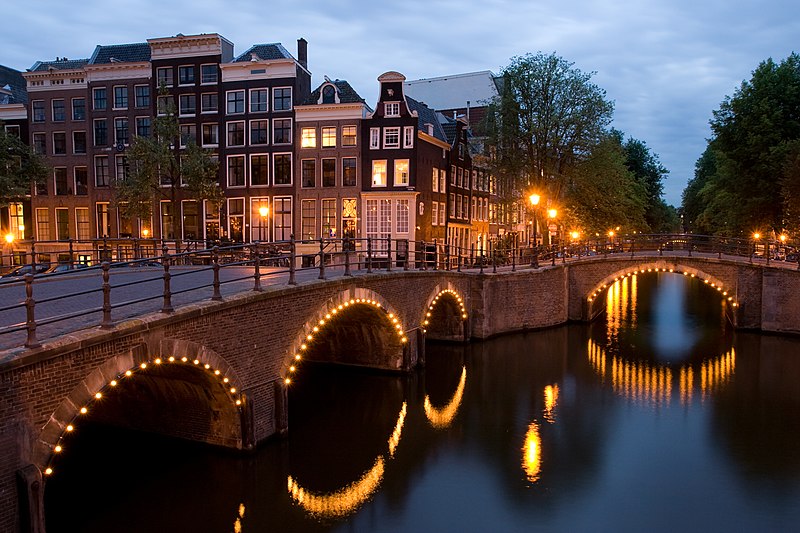










 On the one hand, there was much to celebrate. Some institutions already experienced with digital learning become ‘virtual schools’ within days; others too, prepared for remote learning with mere hours of staff training.