Author: admin

  • Umbra International CEO Kate Bright on her career in the security industry

    Umbra International CEO Kate Bright on her career in the security industry

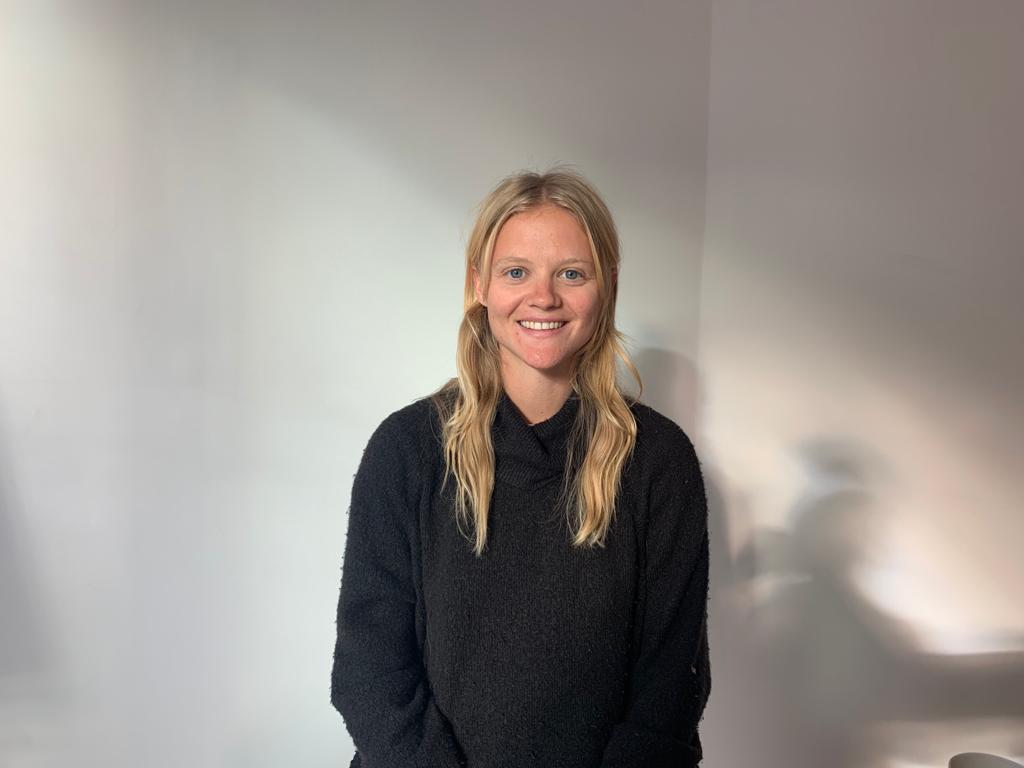
    Kate Bright, CEO and founder of UMBRA International, spent the first 15 years of her career working in the private office sphere. During this time she worked for three international families, with varying degrees of needs for security. After rising through the ranks she became Chief of Staff in charge of the families’ operational, lifestyle and security functions, from the supply network through to the recruitment of all members of the household and security staff.     

    Bright decided to do her Close Protection bodyguard training in order to understand the role’s function better. Bright found that she stood out, not just as a woman but also because she did not come from a military background. “I then started to look around, network, and connected with other women in the industry, and the seedling of the idea for the business started,” she tells me.  

    Bright launched the business in 2015 with the goal of “focusing on doing security differently, making it more accessible, more lifestyle-oriented, hence our phrase ‘Secure Lifestyle’ was born.” When I ask about the different roles for women in security, she counters with “everyone can do all aspects of security, man or woman. It’s also not the preserve of rich and famous people. We’re trying to make it accessible to all, to create clear pathways to not just protective services, but corporate security and all the different angles, particularly cybersecurity. I advise young women and people from non military backgrounds that want to get into security to get onto a pathway like the government’s new initiative, the UK National Cyber Task Force for example. It would make me very proud for one of my young nieces and their friends to consider this as a legitimate career path in the future.” 

    There is currently more demand for women in security than there is supply. “I’m always trying to encourage particularly my former PA community to do the training because I think it’s really useful and very important for us all to have a sense of safety and security.” It was from directly experiencing individuals from former professional sporting backgrounds such as rugby in her private office career that UMBRA now has partnerships with Saracens and Harlequins and the Welsh Rugby Players Association to encourage ex-elite sports men and women to move into the security industry. “It’s a great transition coming from a teamwork disciplined structure into a similar environment,” Bright explains. “We’ve had a lot of success in particular with women’s rugby, even despite the pandemic.” 

    Bright’s clients come from various parts of the world, are different ages and from different cultures. “What I noticed when I was working operationally was that ‘invisible security’ is supremely useful, and I was asked to do a TEDx talk about it in 2018.” Invisible security is the idea that protection can be discreet and able to maintain a low profile for clients. Some clients may be the super wealthy, but have no public-facing profile and others are instantly recognisable but do not wish to draw attention to themselves. “As my mother used to say: every lid has a pot. Lady Gaga would need a completely different set up, protocol and team composition to go unnoticed compared to somebody who may feature on a Sunday Times Rich List, but who may not be a household name.” 

    Invisible security also encapsulates digital and cyber safety as well. “The invisible threats that you can encounter online are just as important to counter in a very discreet way,” Bright explains. “UMBRA doesn’t just help clients with their physical safety – we’re also taking into consideration the whole lifestyle online and offline, because one risk will affect the other.”

    UMBRA works in partnership with trusts, law firms and fiduciary advisories, to help families to achieve what Bright describes as a ‘secure lifestyle’. “Clients and their advisors come to us either proactively or reactively with problems, increasingly before they happen, or problems as they’re evolving.” This can include everything from home security upgrades through to protective or intelligence-based projects. “There’s a lot of psychology involved. It’s a lot about the feeling of safety. Insecurities, as well as securities, things that are going on in someone’s life, big litigations or disputes. House and family disruptions can cause a lot of security considerations by causing a rupture in the norm.”

    Indeed, UMBRA also helps clients while they navigate difficult situations such as a private or company court hearing that is in the public interest. This can involve working with reputation lawyers and dealing with press intrusion. “The sudden shining of a light on someone is not something that I would wish on my worst enemy, it has implications that are far reaching.” Another area is divorce: “When a family separates, the two different structures that are created as a result is a big area of work,” Bright explains. 

    Another consideration in Bright’s “blended approach” to creating a secure lifestyle is the idea of hyper-personalised security. As clients return to travel again despite the difficulties of the Covid-19 landscape, UMBRA has received a lot of requests for people to be travelling with either someone that’s security-trained, or just someone to provide an extra pair of hands and set of eyes, such as chaperones, particularly for younger family members. Yet Bright emphasises that she wants to avoid “the ‘gilded cage’ where there is too much protection which she believes “ultimately takes away and disempowers the understanding of what it is to be safe.” 

    I’m interested in the technology angle, particularly the role of social media, having read about sensational heists that have taken place after a traceable social media post. Bright answers that she always keeps abreast of crime trends including burglary tourism, where people post where they’re going on holiday then organised crimes gangs easily locate them. 

    “Particularly in the last five years it’s been a very experimental time, a very interesting time for digital and online risk to be emerging. Certainly clients are more interested and more willing to understand how to protect themselves online.” UMBRA’s approach is to always be proactive. “It’s less stressful, it’s less expensive, much more process-driven, and incorporates protocol. It’s a very good approach, particularly for those that are coming to security for the first time, whether they’ve come into a large amount of money suddenly, eg through the sale of a company, or a valuation such as a Unicorn founder, and therefore come into some sort of fame or profile in a relatively short space of time.”

    Bright also holds a number of prestigious non-executive committee roles such as sitting on the board of the Security Industry Authority, the wider security industry regulator, as well as in the charitable sector as a trustee of the Worshipful Company of Security Professional Charitable Trust. She is a keen military charity supporter, as an Ambassador of both Supporting Wounded Veterans and Veterans Aid. Last year she was invited to join the Gender Advisory Council for the British Army.  “It’s actually really parallel, the security industry and the British Army,” Bright explains. “There is 10% representation across both for women and in both you’re looking at ways to create opportunities for women within their roles, and look at issues they face as well as encouraging the next generation and pipeline for the future, to give young women role models and a career path to aspire to.”

    Bright adds that she’s always looking at“how to create safe spaces, particularly for women, who so often are victims of gender-based violence and crime worldwide, so they can feel safe – for example at night or, travelling around.” This has never been so at the forefront, after the tragic case of Sarah Everard’s abduction and murder. “Women have this duality of at once our invisibility being our strength, but also, we need to speak more about where we need to be counted, and that we are not just small men.” 

    “Both myself personally and the UMBRA business are trying to have positive conversations, and realise I’ve got ‘first’ syndrome, in being the first to do, or vocalise new ways of working and approaching big problems. It can sometimes feel like we’re having conversations that we just shouldn’t be having in 2021. But I’m more than happy to keep having them. If I leave behind a slightly more empowered and safer world, that will be a good job done.”  
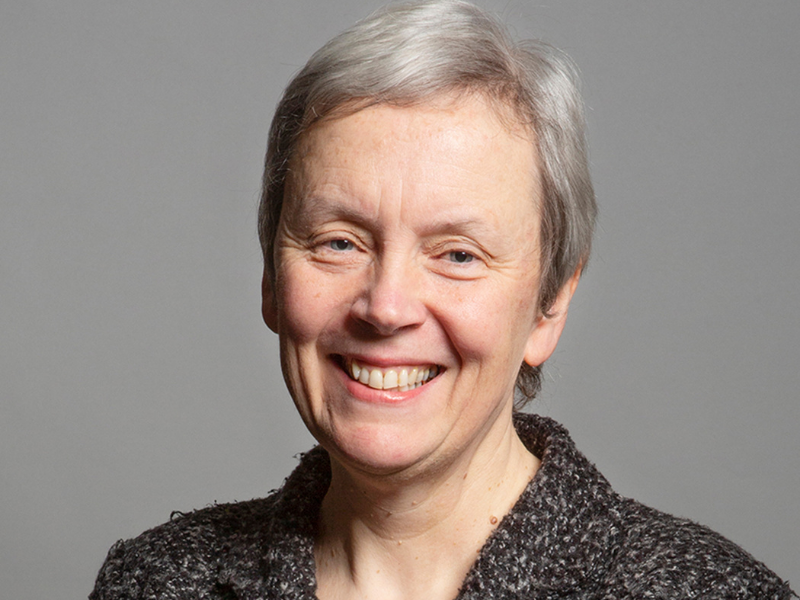
  • Margaret Greenwood: “We need to imagine another way of doing things”

    Margaret Greenwood: “We need to imagine another way of doing things”

    The former shadow schools minister on adult learning and why we need better musical education in the UK

    I’m a great believer in adult education. It’s a fantastic way to open up new ideas – especially in a good adult education centre, which creates a sort of formal environment. When these places are working well, you might see people saying, “I want to do needlework” or “I want to study chemistry”. As we move towards automation as a civilisation, it becomes more and more important that we focus on lifelong learning and that we follow through on the whole reskilling agenda. 

    The problem with this government is I don’t think they understand the untapped potential in our society or the knock-on costs of a huge issue such as child poverty. Take malnutrition – we know the impact this has on the development of the brain, and on the emotional well-being of children, and their ability to learn. Of course, you could highlight the economic impact of that – and that’s something we should do. But I’m more worried about the human impact.

    “We want a population where whatever life might throw at people, they have the agency to change”

    We need to imagine another way of doing things. For instance, imagine if we could sort these kinds of problems out earlier in life: we’d be in a much healthier place as a society. We want a population where whatever life might throw at people, they have agency to change, and to forge their own paths. What happens instead when that’s not done can be heart-breaking; there are people who feel they’ve suffered an irreversible defeat in life. I think we can be better than that.

    I’ve seen the toll at first hand. I remember when I first went door-knocking as a candidate in my constituency of Wirral West. There was a 28-year-old woman with four young children and I asked her how things were. She said: “I don’t mind it when I can’t feed myself, but I hate it when I can’t feed my children.” That’s damning. I also met a primary school teacher in Manchester and she left teaching because she was finding it too upsetting to try and feed the schoolchildren every day. She’d buy loads of bread and jam and give them milk, paying out of her own money. She didn’t mind paying for it but she found it too upsetting. Understandably she felt it was not her job. The government needs to focus on the fundamentals of poverty, hunger, and the emotional well-being of children. 

    Sometimes it can be things you might not think of which are most empowering. Education generally remains undervalued, but take the example of musical education in this country. Our access to that is very patchy indeed. It depends on the type of school you go to whether the local authority still has the money to offer serious exposure to music. 

    It should be a guiding principle in our society that every child has the opportunity to learn a musical instrument. I remember a school in Everton which made a point of making sure that everybody in the school should learn an instrument – and they didn’t just stop at the children. They also made sure that the staff, and the catering staff had access to music; they wanted to encompass the whole place in that opportunity. 

    And why might that be important? I think it’s clear. Learning an instrument develops the attention span, and creates fantastic listening skills – not to mention emotional empathy. In addition to that it encourages working with other people – and no matter what you end up doing in life, that’s going to be of crucial importance. But I think it’s more even than that. It’s about the sheer enjoyment of it, and having something you take forward in life – a kind of buffer. 

    People might also be surprised by how much music can touch you; it’s not this elitist thing. I remember going to a retail outlet to buy a hi fi. I wanted to check the speakers and I put on a Bach violin concerto. Everyone stopped. There were all these people looking at fridge freezers and things, who’d never been exposed to classical music before. This woman came over to me with a baby and a buggy and wrote down the name of the piece of music. 

    That’s what I mean by adult education. Yes, everyone wants a job and to get on in life – but we also know that life is so much more than that. We’ve a long way to go before our education system is matched to that belief. 

    Margaret Greenwood has been the Labour MP for Wirral West since 2015 and has served as shadow schools minister

  • The Social Mobility Challenge

    The Social Mobility Challenge

    Stuart Thomson

    The Social Mobility Commission recently published research showing that nearly three out of four senior civil servants are from privileged backgrounds. Sadly, this problem is not unique to the civil service, but it does highlight the scale of the challenge involved. Without action, organisations will be ill equipped to deal with future challenges. 

    The drawbacks of only taking people from a similar background are well known. Fundamentally the danger of group think undermines creativity and leaves organisations less resilient to the challenges it undoubtedly faces.

    So a more open approach to bringing in new people and new thinking should be focused on addressing the social mobility. How do those from a whole range of backgrounds get access to the opportunities they need and deserve?

    Some professions have at least recognised the scale of the challenge. The Social Mobility Commission report, ‘Navigating The Labyrinth’, looks at how socio-economic background shapes career progression within the UK Civil Service.  

    There is tendency to focus on the implications for organisations of this type of closed shop approach. But there are significant implications for the country.  If swathes of the population know that they are, in effect, excluded from certain jobs or professions, that their opportunities are limited because of who they are, then society fractures, the belief in its institutions fade.  But think about the impact on the individuals as well.

    Importantly, there is an accompanying Action Plan to the report as well.  Some ideas about how the challenge can be addressed.

    Some organisations are focusing on diversity and inclusion strategies, but we all need to see examples and role models of a more inclusive approach to show that change is real, not just talk. 

    Benchmarking and reporting are useful at encouraging change, but they work best when pressure from outside is applied and the organisations are held to account.  That also means applying pressure on the reputation of an organisations. That can often focus minds.

    There also needs to be support provided for those leading the change internally but for those coming into the organisation as well. We all have a role to play in this.

    Not all of us will be involved in the recruitment process and for some organisations the applications are simply not coming in.

    The head of UCAS has complained about the “outdated stigma” about vocational qualifications and a “misplaced snobbery” about them as well.  But that can be on the part of employers as well as applicants.  It comes back to a lack of information but a lack of examples as well.

    Until 1970, less than one half of those becoming solicitors had a university degree (‘Legal Education in England’, Andrew Wilson Green). That isn’t necessarily to say that it was any less exclusive, or that being a solicitor had any less status in the community, but it does show that the ways of gaining entry have narrowed.

    Apprenticeships are on the rise which does open more opportunities.  We need more acceptance of there being a range of options to get into any profession which to be fair to the law there are.

    Yes, it is about employers, but we need to take a step back into higher education and, more importantly, secondary education.  So, it is about the career’s advice delivered, the outreach done, and how we improve the knowledge about roles and how to access them.

    Maybe we should all go out and talk to local schools more than we do. But this means more when people from a range of backgrounds can go out and talk. Some professions have groups of ambassadors tasked with such outreach.  There needs to be more of this, and their roles expanded.  It is not just hearing talk about how open an organisation or profession is but from those who optimise the approach to social mobility and from all levels, not just senior leaders many of whom the audience might not relate to.

    The Commission’s Action Plan mentions demystifying and that is critical.  Many people just do not know what the options or range of roles that may be open to them are. Again, it is self-reinforcing. Unless you have experience, normally through a family member or close friend, you just don’t know what the options are.  Or even if you may be interested, the challenge is in finding out more, particularly how to get entry, how to strengthen the CV, undertake training and how to best position yourself.  We need to move away from the idea that you need some sort of ‘insider knowledge’ or access. Only in that way we will deliver improved social mobility.

    The writer is the Head of Public Affairs at BDB Pitmans

  • Liam Williams: “Getting up on stage was a real rush – better than any drug”

    Liam Williams: “Getting up on stage was a real rush – better than any drug”

    The comedian, actor and writer describes the writing of his first novel

    Looking back at 2020 and early 2021, it’s been an interesting time. I vaguely got into Buddhism and mindfulness in the last year, having been in a retreat at the beginning of lockdown. Then I started drinking and having loud arguments on Zoom about politics for a while, but that passed. 

    The daily logistics of my life haven’t changed all that much – and yet there is a change. What I suppose I liked about solitude previously – and that’s true also of my recent lunges towards the appropriation of Eastern religion – is the idea that life might be going on without you elsewhere. You might be at home, but there’s a world going on beyond you, where things are actually happening. So although not much has changed for me, the psychological backdrop has changed. Solitude is no longer a choice, and that renders your hermitage a bit meaningless. 

    I haven’t really done stand-up for a few years. I managed to contain those tendencies, and now have a fairly conventional social life. There’s a lot of pressure that comes with social life – FOMO, as it’s popularly called. Lockdown has been good for making you realise what’s important.  

    In terms of what motivates me, I guess there is a driving need I haven’t made sense of. But driving needs are a bit like that – they’re slightly inexplicable. It started for me at university – a desire for attention. There was a comedy scene at Cambridge, and I saw people going on stage, and getting that connection with the audience. I liked spending my leisure time in drinking establishments and so I guess I wanted a professionalised version of that. 

    I was lucky too in that the first couple of times I went on stage, it went reasonably well – beginner’s luck. It was a real rush – better than any drug. I think I was beginning to feel stirrings of the need to return to the live comedy scene before lockdown happened. A year and a half later it’s still unclear what’s going to happen on that front. 

    When I first got to Cambridge, I just carried on pursuing the same things – football and drinking, and trying to get women. The I realised I might be able to put my time to better use. In the theatre there were pictures on the wall of those who’d performed there: Peter Cook, Monty Python, Mitchell and Webb, and there was this sketch group called Cowards with Tim Key in it. One of the many privileges the Footlights bestows is you see these ghosts and they have an evolutionary scale to them: it was the comedian equivalent of the hierarchy of a corporate institution. 

    I studied English, so read a lot too – really predictable names for a hipster like me. Sterne. Beckett. Joyce. Ballard. Eliot. All those writers have now become so culturally influential that you can’t pastiche them, or take them off. You’ve got to find your own voice. When I came to do my first novel Homes and Experiences, I realised that you need to experiment with people’s styles to find your own. It’s like learning guitar – you have to practice with other people’s songs. 

    My novel came about because I had gone on a trip similar to the trip the character goes on in the story. I wrote a series of blog posts as a procrastination and put them on Twitter. My literary agent asked what I’d been up to. I told her, and she sent them round to some people. I thought it was a vanity project – good for a few retweets and nothing more. 

    Then just at that point, an editor at Hodder & Stoughton asked us in to go and talk about it, and to my surprise suggested I turn it into a novel, with the structural idea of a story made up of emails. Sometimes it is one simple structural or conceptual tweak than can break the impasse on a creative project. 

    I went on the trip that the material came from in 2017. I guess that was a deliberate post-referendum excursion. I’d never really done any travelling when I was the appropriate age to go round Europe, so it was an overdue thing for me to do. But I suddenly felt particularly romantic about Europe, and the novel deals with the question of gentrification in European cities. 

    So now it’s out – added to the cacophony I suppose. Culture is overwhelming. If it comes to that, the world in general is overwhelming. You look at all the TV and the books and you’re aware of the waste and the disappointment. As Eastern religion teaches us, we can’t have any expectations for anything we do. We have to just put it out there – send it out with faith, love and passion, determination and sense of strident belief in what you’re saying. That’s all you can do. 

    Homes and Experiences is published by Hodder & Stoughton priced £13.99

  • Lord Jonathan Oates: “However hard you try, you can’t change the world on your own.”

    Lord Jonathan Oates: “However hard you try, you can’t change the world on your own.”

    The former advisor to Nick Clegg describes how his upbringing impacts his new memoir

    I decided to write I Never Promised You A Rose Gardenat the end of the Coalition. I went to Ethiopia in 2013 with Nick Clegg, who then was deputy prime minister. That trip brought back for me a lot of memories about running away from home when I was younger. I needed to get it out of my system. 

    I’d decided that the issues around mental health were things that I’d like to share. Growing up, books were my lifeline: they were a way of realising that I wasn’t a completely dysfunctional person. Right from when I was about six or seven, I just consumed stuff. I had a big Dickens phase, a Graham Greene phrase, a Saul Bellow phase. Since my book was published, I’ve had lots of letters and emails from people. Readers say they like the cliff-hangers, and the sort of Dickensian way I have of leaving something hanging at the end of a chapter. 

    I’ve always loved language as well. The King James Bible was something I’d grown up with. My dad was modern in many respects, but when it came to language he saw the King James Bible, alongside Shakespeare, as the standard for beautiful language. 

    I’ve been asked whether my eclectic tastes and interest in language in any way contributed to my liberal political philosophy. I think the more you understand, the more you can be prepared to put the boot on the other foot. That’s why I find the Conservative Party difficult, because so few of them grew up with that understanding.

    My mum was a teacher and taught English at primary school level. She loved English, and loved language. She gave me a great gift once when she said: “There’s no such thing as a bad book. It’s a good book for you.” That helped because there was a lot of snobbishness about Enid Blyton, and the sort of books I was reading when I was six or seven.

    Later, I was in the same halls at Exeter University as Radiohead singer Thom Yorke. We clicked over a bottle of whiskey, perhaps because we were both quite intense. We ended up sharing a house. When I stood – unsuccessfully as it happens – for President of the Student Union, Thom offered to help me and said: “I’ll be your artistic director.” He was a student photographer and he played did some moody images of me which was the best part of my campaign.

    So my book is largely not about politics – it’s about a journey, and running away from home aged 15. It’s about finding that however hard you try, and however much you pray, you can’t change the world on your own by pure force of will. You can change the world, however, by standing together with other people. That means persistently campaigning and fighting and doing lots of really boring stuff: knocking on doors, fundraising and putting leaflets through doors. 

    The other thing which I think is really important, particularly for people in their 20s who are suffering increasingly with mental health problems is that you are far more precious than you’re probably willing to believe. Things can get better. Even when all the obstacles feel really insurmountable, stick with it and let people help you. One of the tendencies when people are suffering with depression or poor mental health is to push people away.

    One time in my early 20s when I was really suffering badly, a friend of mine who I used to share a house with knew I was not in a good way. He also knew that it wasn’t the moment to push me because I wasn’t ready. In the morning when I was on my way to work, I was feeling so down and depressed, and I opened up my briefcase to find he’d put a note in there which said: “Please hold your head up, and be happy. You are a very precious person.” That struck me hard. If he’d tried to tell me that to my face, I couldn’t have dealt with it at that time. That’s my message to people who know someone suffering mental health difficulties. When you feel you’re being pushed away, just find unobtrusive ways to show you’re there. 

    I Never Promised You a Rose Garden is published by Biteback Publishing, priced £20

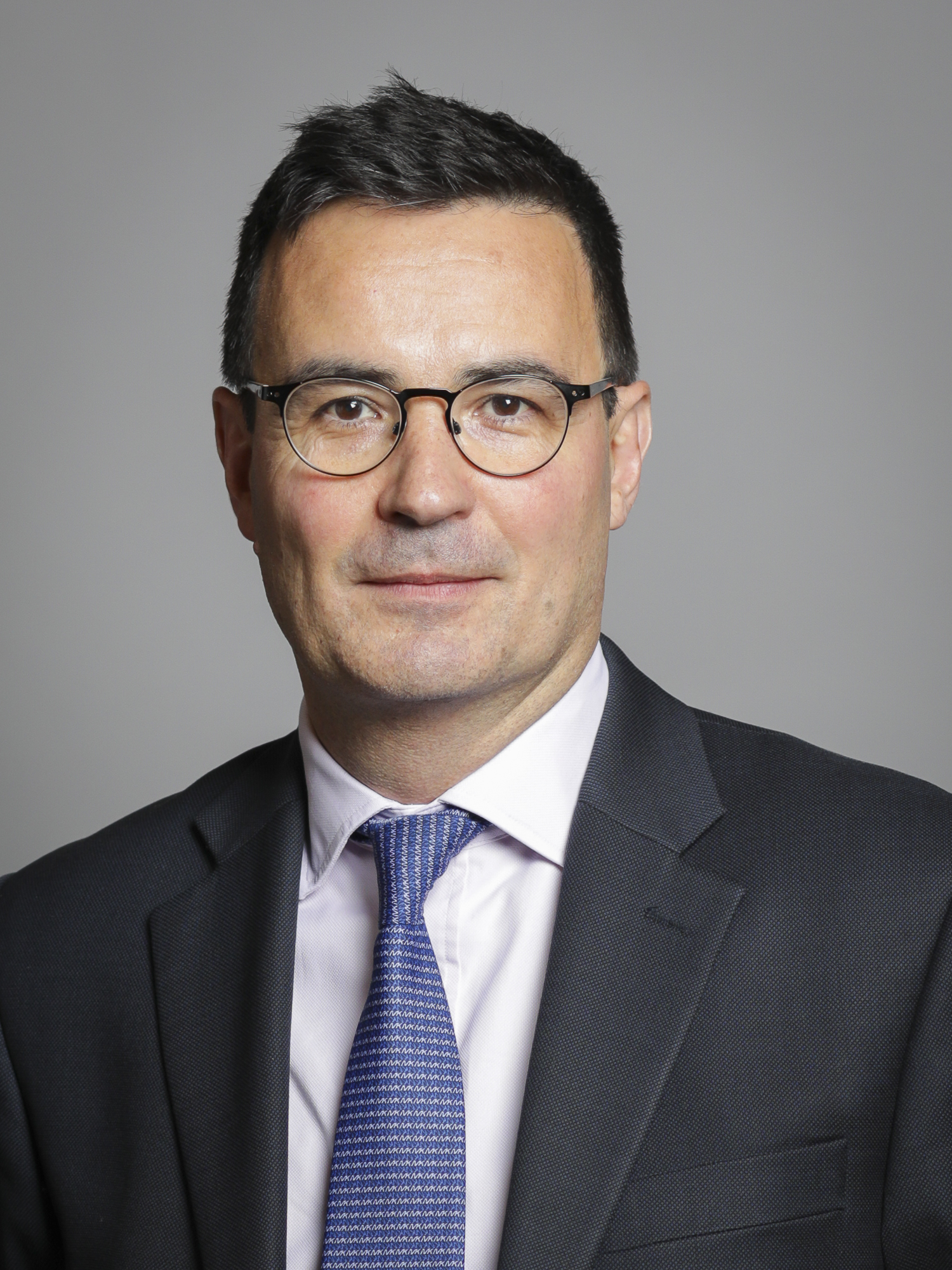
    Photo credit: By Roger Harris – https://members-api.parliament.uk/api/Members/4549/Portrait?cropType=ThreeFourGallery: https://members.parliament.uk/member/4549/portrait, CC BY 3.0, https://commons.wikimedia.org/w/index.php?curid=86634351

  • Diary of a pandemic job-hunt

    Diary of a pandemic job-hunt

    Georgia Heneage left university in 2020 with the plan to become a journalist but is already widening her horizons 

    Leaving school or university and stepping into the category of the unemployed is daunting at best, terrifying at worst. As a generation born into a consumerist, perhaps even individualist society, we have been engineered to believe that our identities are irrevocably tied up in our career prospects: simply, we are led to believe that what we ‘do’ with our lives is central. 

    To some extent, that’s true. Jenni Russell recently wrote in a Times article: “Work is how society allocates so much of what we seek: money, status, social networks, mental challenges, companionship, prospects, marriageability, hope.” It’s hard to argue with that.  

    “Journalism – and print journalism, in particular – was a volatile and constantly shifting industry even before the pandemic.”

    But placing our work life on a pedestal can be damaging to the process of finding a job in the first place. There is overwhelming pressure on young people to achieve great things early on in their career and to hit upon the ‘perfect’ job straight away. This pressure can be stultifying, and creates an atmosphere of dog-eat-dog competitiveness which can hit hard as you enter the jobs market.  

    This has certainly been my experience as a postgraduate seeking an entry-level job in journalism: even at higher levels, it’s a ruthless and merciless industry, as seasoned journalists remind me all too often. As a graduate, that’s especially so.  

    Journalism – and print journalism, in particular – was a volatile and constantly shifting industry even before the pandemic. Now, newspapers are hardly hiring at all, and the few roles advertised are fiercely competitive.  

    That means that more and more journalists are forced to go freelance and accept a paycheck that is reliant on the next available commission. Much of the advice that I’ve been given has focused on freelancing, a process which can be demoralising and difficult for a little-known journalist finding her feet in the Grub Street world of the press.  

    The best advice that I have received so far has been to relax and remember that most careers are not a linear path to success, and that the concept of a ‘job ladder’ is a myth. 

    The direction of my career has altered slightly as a result, and I am now seeking the safety of a stable job and income. Having taken a moment of self-reflection, I realised that my knack for writing and researching and my interest in the big ideas shaping our world could land me a job which had similar characteristics to journalism, but which didn’t have to be confined to the industry. 

    I have now pooled my skills, values and motivations, and decided to broaden my job search to include the media as a whole and the publishing industry, which has resulted in my first interview with the How To Academy, an organisation which hosts talks and debates from some of the most influential speakers in the world. 

    The best advice that I have received so far has been to relax and remember that most careers are not a linear path to success, and that the concept of a ‘job ladder’ is a myth. Careers are twisting, fickle journeys, with unexpected bumps along the way which, once you’ve traversed them, come to look necessary in retrospect. Imagining my future in this way is liberating. It loosens societal expectations to dive head-first into the ideal job, and opens up the possibility of finding jobs which may not have been immediately appealing. 

    If I look at the data, I realise the scale of my challenge. The Office for Budget Responsibility reckons that unemployment more than doubled in 2020, and that 3.5 million are now affected. For young people entering the jobs market, this is disastrous. High levels of redundancy continue to mean that graduate-level or school-level jobseekers are now competing with a pool of skilled workers with years of experience and expertise under their belts.  

    It’s true that there are silver linings. For instance, the global transition to a remote-working culture and the development of the ‘gig economy’ may be what the future of white-collar working in a post-pandemic world looks like, and may provide more opportunities for those without work. Research has tended to find that working from home can have a significant positive impact on workers’ mental health and well-being, which in itself can improve productivity. A paper published in 2017 in the American Economic Review found that workers were even willing to take an 8 per cent pay cut to work from home.  

    But frankly, I find that cold consolation. The prospect of not going into an office every day strikes me as unnerving. The routine of commuting and mixing regularly with colleagues is attractive to me, and I don’t want to miss out through no fault of my own.  

    It has also been argued that the pandemic, for all its setbacks, presents an opportunity to rewire the world of work. Though this may be true for seasoned white-collar workers, at what cost does this come for those uneasy newcomers entering the workplace for the first time? 

    Georgia Heneage is an Oxford postgraduate and freelance journalist 

  • How do you spend a Gap Year in a pandemic?

    How do you spend a Gap Year in a pandemic?

    Emily Prescott

    The typical globetrotting gap year has been wrecked by COVID. Even young people who were hoping to take a more modest year away from education saving up money by working in their local pub seem like fantasists at the moment. Despite the difficulties, around 20,000 young people decided to defer their place at university to take time out between 2020-2021. Finito World spoke to a few young people to find out how they are coping. 

    You see people’s journeys, they come in and they’re not able to walk and by the time they’re going home they can walk out the ward, it is incredible

    Lydia pressdee, 19

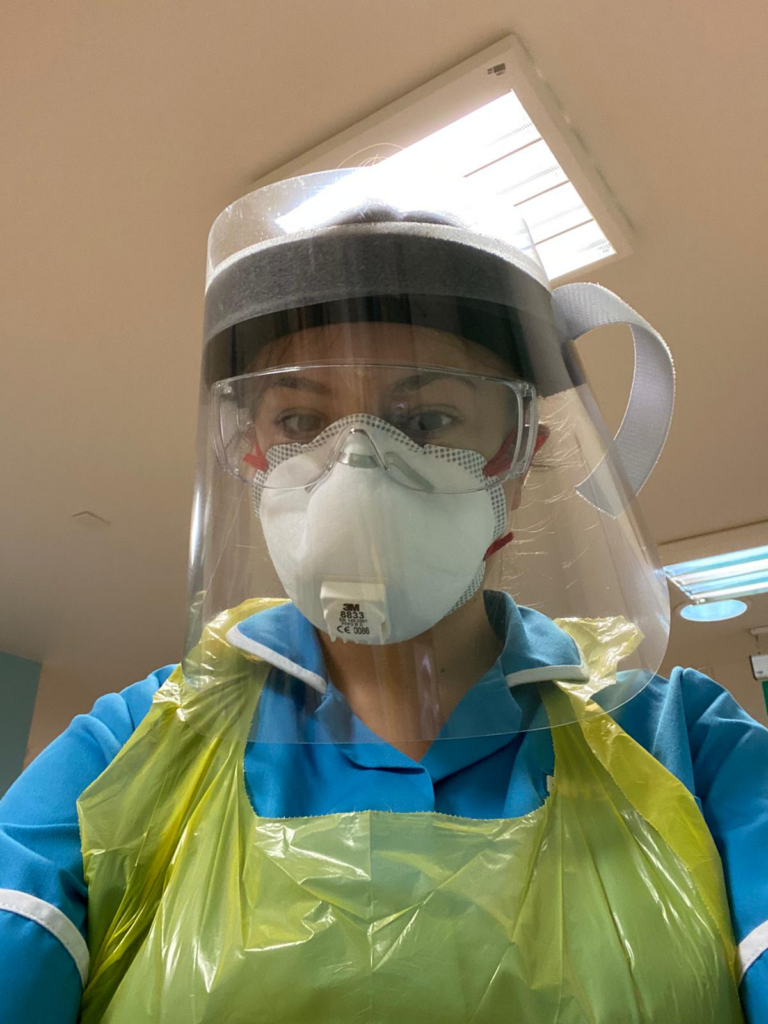
    Lydia Pressdee, 19, should be skiing in France right now but instead she’s working in a COVID ward. She doesn’t lament the situation at all and in fact she tells us: “I’m actually kind of happy it’s happened this way because I’ve gained so much experience. I love what I do every day.” 

    “It’s a rehab ward. You see people’s journeys, they come in and they’re not able to walk and by the time they’re going home they can walk out the ward, it is incredible,” she enthuses.   

    Lydia Pressdee in protective gear

    Once she had finished her A levels, Lydia was hoping to get a job as a waitress in order to save funds for her ski season in France and travel around south east Asia. Afterwards, Lydia wanted to do children’s nursing at Oxford Brookes University. But when the pandemic hit and she finished school in March, Lydia found a job in a Wiltshire community hospital as a health care assistant.

    “I applied when it was a call to action. It’s been quite scary but I’ve learned so much and it makes me really aware of the situation. This time it is definitely a lot worse,” she adds. 

    Through her work on the COVID ward, Lydia has gained clarity and has changed her degree so she can focus on adult nursing. 

    Lydia’s dreams of travelling haven’t been dashed completely, she says. “Hopefully once I’m qualified I’ll maybe be able to take a bit of time out, maybe before I start the actual job.” 

    Anna Scriven, 19, is also using her gap year to help the health services during the pandemic. Anna had accepted a place to study medicine at the University of Liverpool but her expected grades were moved down by the government’s controversial algorithm in the summer. 

    Fortunately, the university deferred her place and now she has passed the exams, she is set to start in 2021. In the meantime she has been volunteering at her local GPs helping to marshal the flu clinic. She is also hoping to au pair for a family in Germany but that’s looking less likely as the COVID situation worsens. 

    I’m hoping that by September life will be back to normal…I know some people who had quite a tough freshers

    anna scriven

    Although the situation is uncertain, she struck an optimistic note. She explains: “I’m hoping when I start uni in September that life’s a bit more normal and I’ll have a better time than I would have if I started this year as I know some people had quite a tough freshers. If I make it to Germany it will also be a fab experience that I wouldn’t have had – as the pandemic made me take a gap year.”  

    James Walker, 18, always planned to have a low key gap year: he wanted to submit his application to study Maths at university and learn to drive and get a temporary job. 

    Reflecting on how it’s panning out he says: “I’ve been lucky enough that a lot of my plans haven’t been seriously affected by Covid-19 and the pandemic (so far – there may be complications in the future). 

    Finding employment may be trickier than planned, given the levels of unemployment

    james walker, 18

    “I had no plans for abroad travel, for example, which could have been disrupted. Finding employment may be trickier than planned however, given the levels of unemployment due to the pandemic,” he adds.  

    Since October he has been volunteering helping GCSE and A levels students with their maths. He too doesn’t lament the pandemic, saying: “Although my plans haven’t been impacted massively, one surprising positive has been that it has made me feel more confident in my decision to take a year out.” 

    Meanwhile Jacinta Haden-Newman, 17, is planning her gap year in these uncertain times. She is studying music tech, biology and maths and is looking forward to taking some time out.  

    “Motivation is generally so low in people my age because there‘s so much going on that study seems almost trivial, and the pandemic has definitely reminded us of the importance of relationships with others and taking care of ourselves. It’s hard to focus on the same old stuff when everything and everyone’s perspectives seem so different.”

    Jacinta Walker is philosophical about her Gap Year. ‘Any plans have to be made with a pinch of salt’.

    “I am looking forward to taking a gap year, definitely. Any plans have to be made with a pinch of salt, because of course we don’t know what restrictions will look like in 6, 12 or 18 months time.” 

    If the world returns to its pre COVID state, Jacinta will work over summer away from home in the UK to earn money before travelling. In an ideal post-vaccine world, she would like to go interlining in Europe for a month in autumn. In the winter months she hopes to go to Australia. 

    I know that worrying about what’s going to happen months in advance is just not useful to anyone

    jacinta haden-newman, 17

    But she is remaining realistic, adding: “I’m not really worried about the impact of the pandemic on my gap year because I know that worrying about what’s going to happen months in advance is just not useful to anyone, and I’ve made sure there are allowances in my plans so there’s nothing more I could do to change whatever it will be like.

    “I really do hope I can go abroad, of course, and I’m praying for good news about the vaccine, but if I end up having to have a chill year at home with my family, working on creative projects and hiking in Wales instead, that will still be a year well-spent and I don’t think I’d regret it either way.” 

    Katie, 19, also sees the positive side. “It hasn’t been a bad thing because I’ve been saving,” she tells us.

    Finally, we spoke to 19-year-old Katie. She is supposed to be somewhere in Australia or south east Asia but instead, she’s in Kent. But she is trying to focus on the positives. When the tier system allows, she works in a family friend’s independent shop. “It hasn’t been a bad thing because I’ve been saving,” she says. 

    Katie, who has a place to study sport and exercise science at Kent university says : “I think I’ve been making the most of the situation. When I came back after shutting I actually really enjoyed it because I felt like everybody appreciated us more. We’re an independent shop and everybody was shopping local and it was a nice feeling, like the community was coming together again.” 

    Photo credit: Matese Fields on Unsplash

  • Emma Swift: ‘As a musician, you’re essentially a small business’

    Emma Swift: ‘As a musician, you’re essentially a small business’

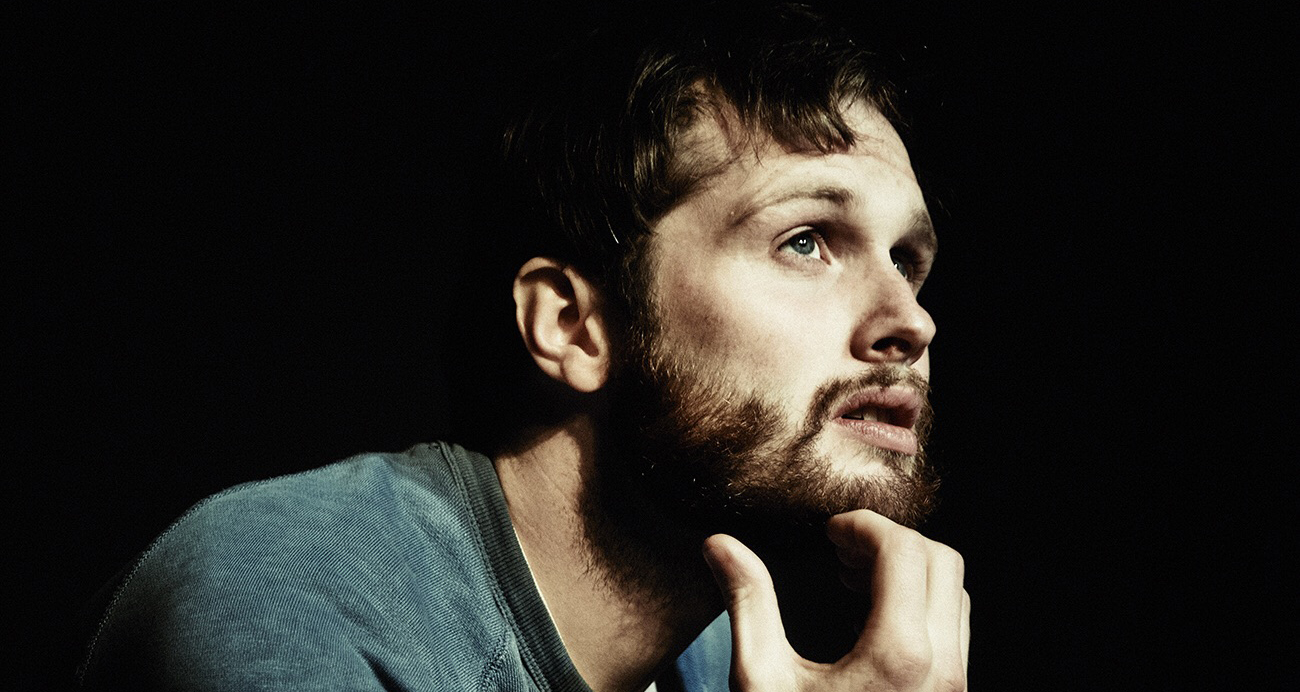
    These past few years have taken everybody for a spin. In some ways my job’s been easier because I don’t have to try and tour and I’ve mainly done my record Blonde on the Tracks, a collection of Bob Dylan covers, online. I studied English literature at the outset, and then I became a journalist and also worked in a government department. But I quit all that and moved to Nashville, Tennessee to do music. 

    I was always a bookish kid and then grew up into a bookish woman. One of my songs on the new album is a cover of Bob Dylan’s ‘I Contain Multitudes’ – and I think I was responding to the references to Walt Whitman, and to Edgar Allen Poe. I can still recite ‘Annabel Lee’ – so my education gave me the foundation to what I do now. 

    I’m often asked about the direction of the music business. With Blonde on the Tracks I chose not to stream it at the beginning of the release, because we’re in a pandemic year. I play essentially Indie folk, and at my age in the 1960s, I would have been playing the folk clubs – and today for people like me the bulk of our income is made touring. But when touring stopped that has meant mass unemployment in my sector. So I decided to make this an online-only release.

    What I would say to anybody interested in a career in the arts is just to be flexible and be open to change, because the music industry is always revolutionising itself. People will tell you that it’s all streaming now – but it’s not always going to be all streaming forever. It will pivot to something else. The music business does that constantly: 20 years ago the advice would have been that all vinyl is a total waste of time; nowadays vinyls are outselling CDs. The best thing to do as an artist is just to trust your instincts, and realise that you’re essentially a small business. There’s no right or wrong way to run your small business: there’s a multitude of ways that you can operate as a creative person.

    It’s also good to be persistent as a creative person, but also good to be able to take break if you’re feeling burned out by your art – because it can be exhausting. Give yourself permission to take time off. 

    But perhaps the most important thing is just because you do work another job that doesn’t make you any less of an artist. TS Eliot worked in a bank. A lot of people in the music business now have to have other gigs, because that’s the best way to survive and that’s okay.

    Of course, people who are creative are not very good at administration – it can be challenging and deeply boring. I find it very difficult to switch gears and it’s really hard for me to write if I’m also thinking about record distribution and invoices. But it definitely doesn’t hurt to know a little bit about all that – and anyway you’ve got to do it. I’m capable of organisation and chaos – depending on the day of the week.

    The other thing with music is that you have to be so present on social media. You have to really go out there and spend an hour at least. For an artist at my level, had I not been ubiquitous on the internet, the record would have disappeared. The fact that it didn’t is likely due to the fact I spent an enormous amount of time on Twitter.

    I would also advise engaging with other people’s music. If you’re not buying CDs, why would anybody else? I do have some regrets about the latest album. If I did it again I would span a broader cross section of Dylan’s work. I skipped over the 80s and the 90s, but all of these Bob Dylan songs have made me a better songwriter.

    That’s not to say I’ll be doing another album called ‘More Blonde, More Tracks.’ I now realise that what I’ve done is to put myself under an enormous amount of pressure to follow up a Bob Dylan with my own songs. When I look at that now, I think: “Gosh, that’s insane. Why would anybody do that?”

    Emma Swift’s latest album is Blonde on the Tracks

    Image courtesy of Emma Swift

  • Sophia Petrides on the problem of job-hopping – and how we tackle it

    Sophia Petrides on the problem of job-hopping – and how we tackle it

    Sophia Petrides outlines how to tackle a hidden problem within our society 

    Where are we with new talent? As we know, 24-39 year-olds have become known as the “hopping generation”, on account of the fact they tend to change jobs frequently. This is causing problems within organisations because of the high cost of employment, which includes high costs for recruitment and training and development. That’s before you even take into account the loss of knowledge within an organisation from high employee turnover. 

    In fact, job-hopping is costing the UK economy an estimated £71 billion and the US economy $30.5 billion annually, according to Gallup. The cost for employing someone new into an organisation is an average of £11,000 per person in the UK and $20,000 in the US.  

    So what accounts for this trend? First, it’s a question of annual remuneration and promotion in an era where middle-ranking jobs are declining. Technology means we don’t need so many middle managers, project managers and administrative jobs. That means there’s often little hope of promotion within organisations.  

    Nowadays, if you want a salary increase or a promotion, you need to leave the company and apply for another job. I experienced this situation first-hand many years ago, when I was leading a business within investment banking. Even though I was in a director role, the excuse I was given for not being promoted was that the organisation had surpassed the number of director promotions for that year and I would have to wait for another year. Following this conversation, I started working on my exit plan. 

    But it’s not just the money. There’s also a clear lack of respect and authentic communication from leaders and management. Today’s organisations often fail to create “safe” environments, where people can openly express their ideas without judgement.  

    In order for leaders to retain and attract new talent, they need to demonstrate empathy and compassion – a vital ingredient when it comes to humanising workplaces. In addition to that, visibility is important: today’s leaders shouldn’t let their workforce face adversity alone. This must go hand in hand with authentic communication, and clear training and development programmes.  

    In 2020, we have seen a surge in businesses collapsing and ongoing redundancies within organisations. All this has pushed global unemployment to record high. The good news is that once the economy starts to bounce back, we are going to see an increase in talent hiring. Even so that still means organisations will lose their talent to other organisations, and experience a drop in productivity in the process. Leaders need to act now, by investing in learning and development, and by deploying the wisdom in the older workforce to nurture talent.  

    Demographic trendlines also need to be taken into account. Birth rates are decreasing over the last quarter century, so much so that we’ve now reached a 20-year low. This means in turn that less talent will come into the future market. It also means we need our middle-aged workforce more than ever to stay in jobs and support the economy by contributing towards taxes for the financial support of the older retired generation. 

    So now is not the time to stop hiring the 50+ age group or to be pushing towards early retirement, as some professional services have the tendency of doing.  

    This issue of organisations failing to hire certain age groups is causing another ripple effect which has led to the increase of mental health difficulties. This is a global problem. Since Covid-19 struck, mental health has taken secondary priority, and it’s costing global economies billions. In the UK, the annual estimate of loss is £34.9 billion and in the US $53 billion. 

    Another group we need to take into consideration for the ongoing growth of our economy is returning to work mothers. They are insufficiently supported by organisations, even though they’re a huge asset. During times of adversity, they’re able to support leaders by staying close to employees and nurture them through the challenging times by putting into practice their agility, adaptability and resilience – traits they’ve learned and enhanced during motherhood.  

    In order to achieve a smooth return of women back into the workplace, organisations need to create appropriate training and development programmes. These need to build trust and respect, develop technological skills and also instigate clear communications around project management and deadlines. 

    There’s a lot to do. But if we’re successful, it will be a recipe to inspire significant growth in the global economy. 

  • David Hockney at the Royal Academy: ‘Get Up and Work Immediately’

    David Hockney at the Royal Academy: ‘Get Up and Work Immediately’

    Robert Golding

    There is a story that David Hockney tells often about being a young film enthusiast in Yorkshire, watching black and white Laurel and Hardy movies. Seeing the long shadows, he realised that Los Angeles, where they were filmed, must experience a lot of sunshine. Accordingly, he resolved to go there. 

    Today, Hockney is still enthralled by light – as you can see in the tree house picture with which this article is illustrated. Here is something like that same light which attracted the young Hockney, still attracting him at the age of 83. But this isn’t Californian light – it’s the light of Normandy, at the house called La Grande Cour, where he has lived in isolation since 2018 with his lucky assistants Jean-Pierre Gonçalves de Lima, known as J-P and Jonathan Wilkinson, together with his dog Ruby. 

    And, of course, unlike the images of California – such as 1967’s A Bigger Splash, for which he is still most famous – Hockney’s new works are not essays in paint but drawn on the free Brushes app on his iPad. The layered nature of paint has been replaced by marks which bear – perhaps a little too obviously – a digital mark: the dots, the pixelly sky. 

    “Ratified by time and the art market, David Hockney has never been one to mind what people say about him.”

    To move forward but to stay the same – as with his hero Picasso, Hockney’s way of seeing is always his, no matter how much his method might be bound up in new technologies, and advances in his own understanding of what makes art. 

    Hockney’s A Bigger Splash remains his most famous picture

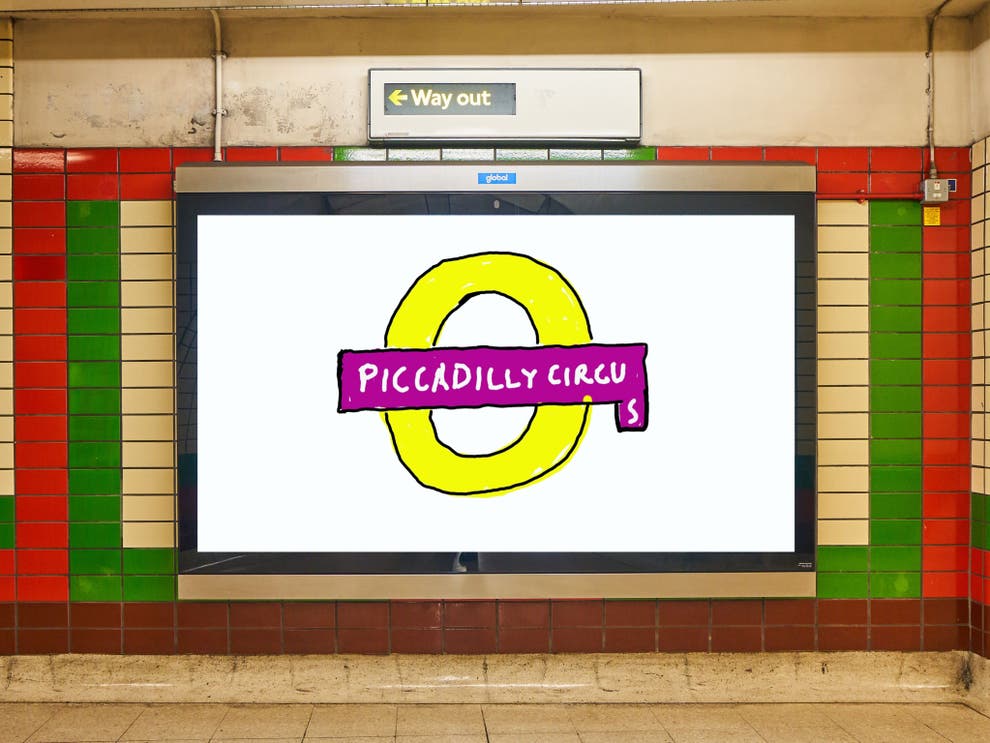
    The eye always remains forensic and supremely confident – ratified by time and the art market, David Hockney has never been one to mind what others say about him. Right now that’s probably a good thing as the art world has rounded on him for his Piccadilly Circus tube sign, drawn with a whimsical humour which looked to struggling artists like cosy facetiousness – the ‘s’ in ‘Circus’ dropped off the end, the gag somewhat too easy, like someone used to having his jokes laughed at by acolytes. 

    Hockney’s new work has been much derided on the Internet (GLA)

    The Royal Academy exhibition The Arrival of Spring hasn’t been particularly well-received either. It’s doubtful that the criticism will affect the supremely confident Yorkshireman. A contrarian spirit seems to replicate itself in many successful people. This is so with Hockney, whose love of life appears to begin in a healthy contempt for all do not share it, and who prefer to conform. ‘Boring old England,’ was his famous reasoning for leaving his home country for LA in the 1960s.

    To study Hockney’s life and his art is to get to know the benefits of particular kind of bluff decisiveness. The octogenarian has always known his next move – or found it materialise it before him as a thing to be straightaway acted upon. 

    In Paris in the 1970s, he realised too many people were visiting him and that he wasn’t getting enough work done – keenly alive to the danger to his productivity, he straightaway upped and left. When he stayed on in England after Christmas in 2002, he realised that he had been missing the seasons of his native Yorkshire, and rearranged his life to take advantage of it.

    Here he is describing the move in 2013’s A Bigger Message: “I began to see that that was something you miss in California because you don’t really get spring there. If you know the flowers well, you notice them coming out – but it’s not like northern Europe, where the transition from winter and the arrival of spring is this big dramatic event.”

    “I began to see that that was something you miss in California because you don’t really get spring there.”

    David Hockney

    Then just before lockdown, came another example of the Hockney decisiveness: during a brief visit to Paris, he realised that Normandy attracted him sufficiently to be worth moving to. Here he is telling the story to Martin Gayford in the pair’s excellent collaboration Spring Cannot Be Cancelled: “It happened like this. We travelled to Normandy after the stained-glass window at Westminster Abbey was opened. We went through the Eurotunnel, via Calais. We stayed in this lovely hotel at Honfleur, where we saw this sunset.” In time, J-P was dispatched to an estate agents: “When we came in and saw the higgledy-piggledy building and that it had a tree house in the grounds, I said, ‘Yes, OK – let’s buy it’.” 

    “This house is for David Hockney and he wants to paint the arrival of spring in 2020, not in 2021!”

    Fame had come for Le Grand Cour – destined no doubt to be a tourist attraction to rival Monet’s lily pond at Giverny. Of course, this freedom is partly the freedom of the immensely successful.

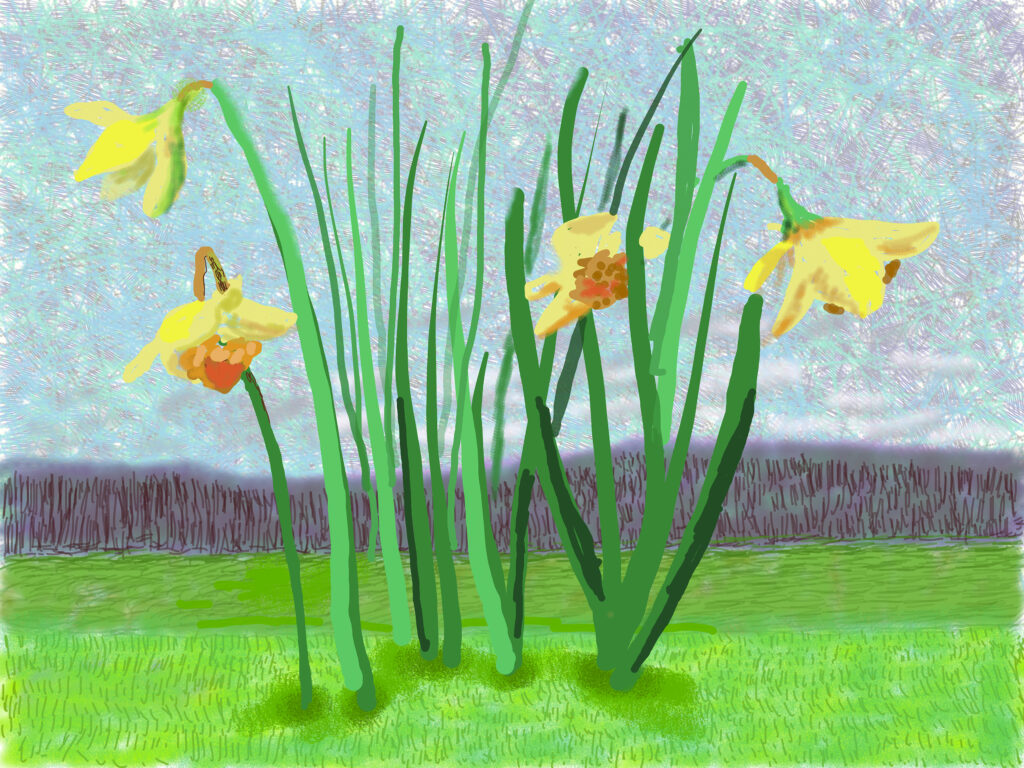
    David Hockney “No. 118”, 16th March 2020 iPad painting © David Hockney

    In Gayford’s telling of the house purchase, the sense of Hockney’s importance is evident when J-P is quoted as saying impatiently to delaying builders: “This house is for David Hockney and he wants to paint the arrival of spring in 2020, not in 2021!” One senses that he has surrounded himself with the right people; Hockney has the gift for friendship and loyalty. This hasn’t necessarily always been to the good: there are signs in The Arrival of Spring that a certain cosiness may finally have seeped into his work to its detriment.

    Certainly the current exhibition which has been widely panned in the media, except by his friend-reviewers such as Jonathan Jones of The Guardian and Martin Gayford at The Spectator

    So are the negative reviews fair? Undoubtedly some of them are written with the pantomimic disdain which journalists sometimes level at people who have become more famous than them. One example would be the overdone headline in City AM: “I hate these paintings in my bones.” If we look at a painting this way, what emotion do we have leftover for atrocities of war?

    David Hockney “No. 316”, 30th April 2020 iPad painting © David Hockney

    Besides, in among the sameiness, there are magnificent images here. I was taken particularly by a sequence of images of the sun rising over the slopes that surround Hockney’s new home. Hockney has rightly objected to the idea that you can’t paint a sunrise or a sunset by pointing out that such things ‘are never clichés in nature’. Here we see the old cliché of the yellow orb with tentacles of yellow seeping out of it rejuvenated to some extent: there is a lovely passage where the tree in the foreground takes the red of the sun, and becomes aflame with red, like something Moses might have seen. 

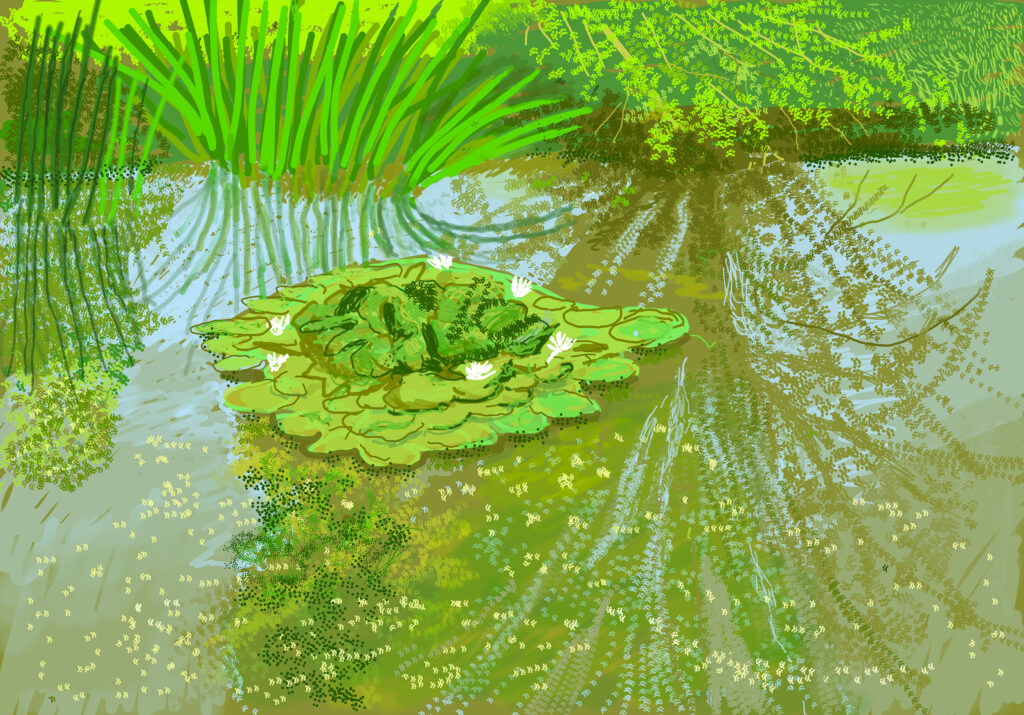
    There are other such moments – especially where Hockney reminds us that the iPad is especially good at handling complexity of space. One such example is No. 340 (see below) which directly recalls – and in recalling, competes with – Monet.

    It’s worth restating that Hockney is an intensely competitive artist – his career is a reminder that there is nothing wrong with that. Once we have decided what to do, we may as well attempt to do it as well as anyone has ever done it before. The attempt may fall short, but will likely provide us with the energy we need to do our best. 

    An exhibition I attended at the Dulwich Picture Gallery in 2014 called David Hockney, Printmaker, showed him wholly able to assimilate Japanese pictures – Hokusai is another hero of his – and he remains an essentially competitive artist: the 2012 exhibition A Bigger Picture– also at the Royal Academy, was a direct challenge across the centuries to Paul Cezanne. 

    David Hockney “No. 340”, 21st May 2020 iPad painting © David Hockney

    Besides, in this instance, Hockney doesn’t fall short. The entire picture is sumptuous, an act of deep and respectful noticing – to hate this in one’s bones would be in the regrettable position of hating life to one’s bones. Especially good are the dots in the bottom left, where three or four kinds of reflection are rendered alongside water and things which might be bobbing on the surface. This is done all at once with great joy and even bravery.

    Nobody with any sense would claim that Hockney can’t draw a face…it’s just that here he’s chosen not to

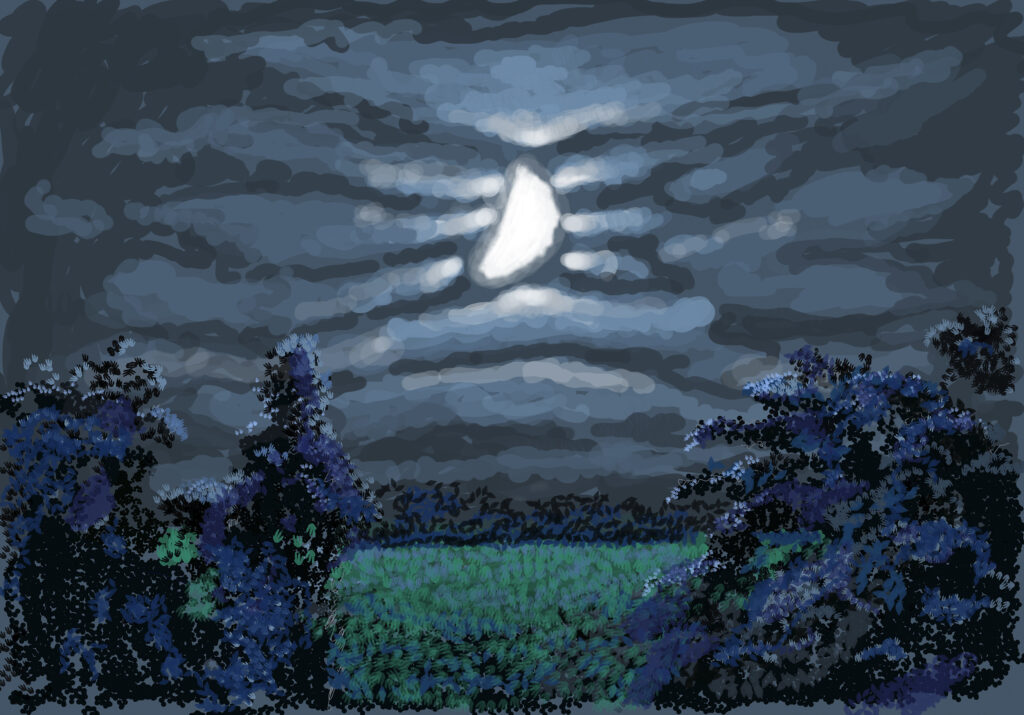
    There are other virtues to this exhibition. The iPad – as Hockney has pointed out – is very good for immediacy. There is no need to set up materials, instead you can simply get drawing – as in No. 370 beneath. This picture has its literary antecedent in Philip Larkin’s poem ‘Sad Steps’:

    Groping back to bed after a piss
    I part thick curtains, and am startled by
    The rapid clouds, the moon’s cleanliness. 

    Here Hockney, doing the same, is equally startled – and again, what’s good is the journey of the moonlight through the clouds onto the edges of the bushes. We are told here that moonlight on a dark bush isn’t moon-coloured – it’s actually a kind of turquoise. We are also shown how moonlight doesn’t quite get in between all the way into the bushes; the image is a precise assessment of moonlight’s force and power. Even the most radiant nights have numerous hiding-places. 

    David Hockney “No. 370”, 2nd May 2020 iPad painting © David Hockney

    But there are problems with the exhibition too which one’s admiration for a lifetime of extraordinary achievement cannot quite oust. Samuel Johnson once wrote that a book that’s fun to write cannot be fun to read. When considering what might be wrong with The Arrival of Spring, Johnson’s remark is a useful place to start. 

    ‘I think I am in a paradise,’ says Hockney to Gayford in Spring Cannot be Cancelled. While these images have rightly been praised for their exuberance, they remind you a little too much that Hockney is happy. The compositions are too often simplistic, and I am a little confused, having loved the accompanying book, that there isn’t greater diversity of subject matter. In the book, we see images of the artist’s foot, and of his iPad which would have made for a less repetitive exhibition.

    Falsity in art can sneak in with terrible proclivity

    Furthermore, the image contains not a single face. This isn’t because Hockney can’t do it – nobody with any sense would claim that Hockney can’t draw a face; in fact he’s probably the best draughtsman alive. It’s just that here he’s chosen not to. It might be that he has decided that spring is his subject – but if so, he needn’t have excluded the rest of life around him. We experience spring in relation to other people – as we’re almost tired of learning, in our little locked down bubbles.

    Perhaps the timing of their composition might also have made them age more. They were no doubt begun in a more contrarian spirit during the beginning of lockdown than we can now recall, full of a defiant desire to show the world that there are worse things than being circumscribed to just one place. 

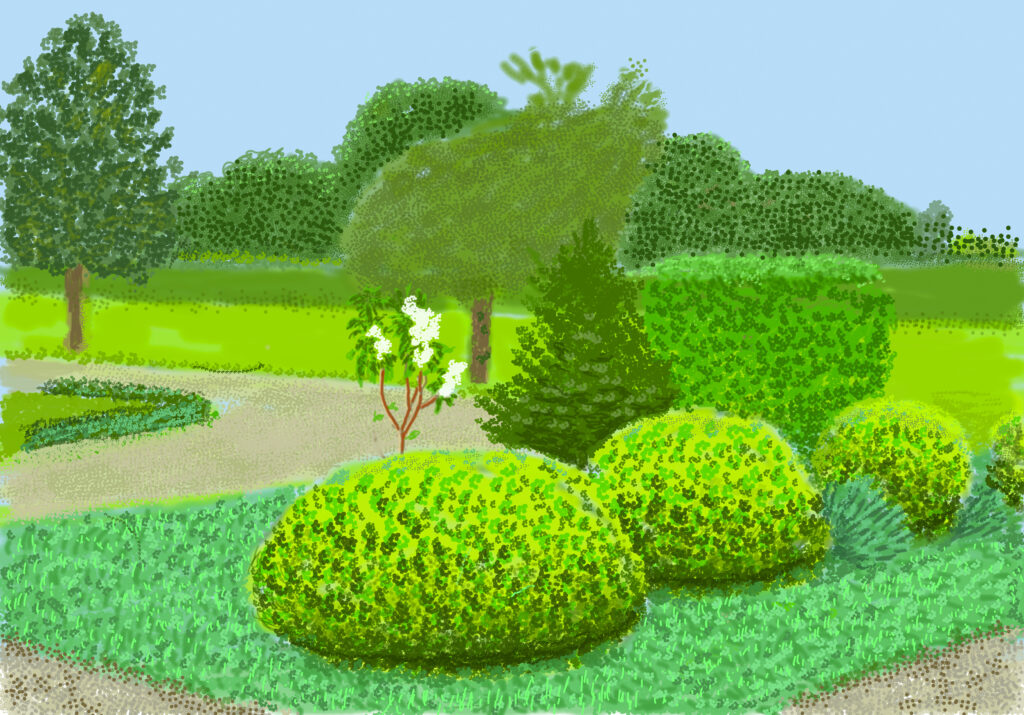
    David Hockney “No. 259”, 24th April 2020 iPad painting © David Hockney

    But falsity in art can sneak in with terrible proclivity. As an example, Larkin’s poem ‘Sad Steps’ spins to a false conclusion, about how youth cannot come again but is ‘for others undiminished somewhere’. It is a crystalline poem of marvellous technical brilliance reaching the wrong idea – because if youth is indeed irreversible then it is diminished for everyone everywhere all the time. The poet isolates himself in a bogus despair.

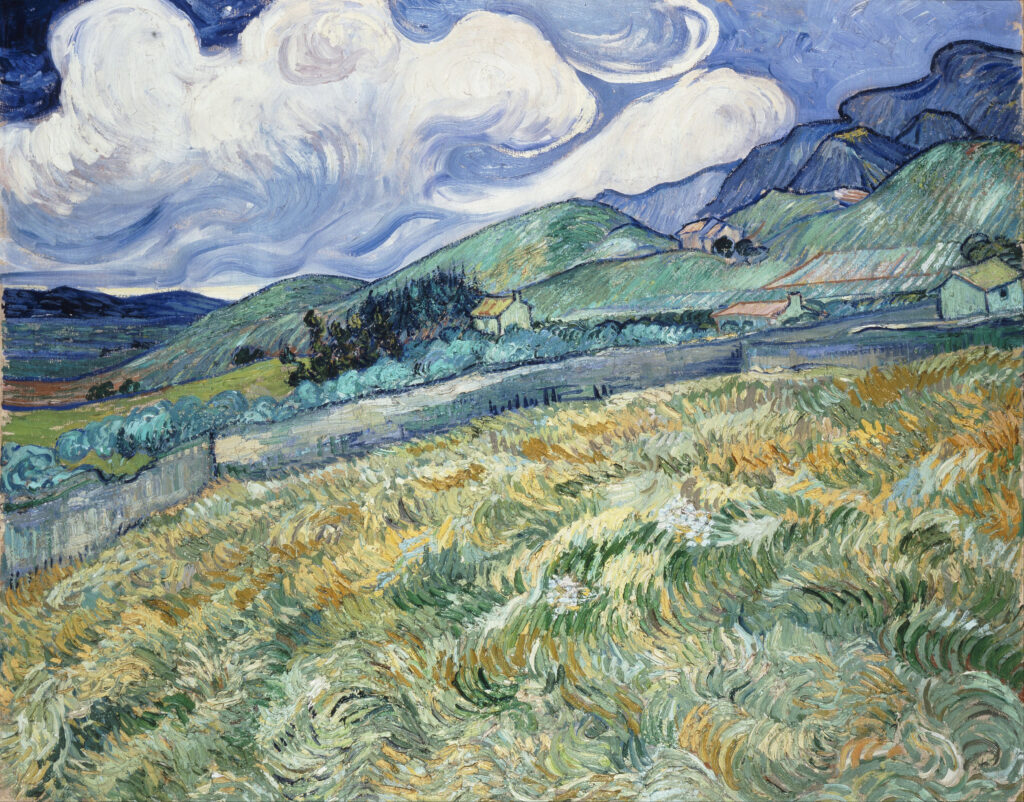
    Hockney may perhaps be making the opposite mistake – readers of his History of Pictures (also produced with Gayford), may finish the book still in the dark as to why he makes them, besides the pleasure of being good at making them. Certainly, these images sometimes feel ultimately untethered from meaning, or perhaps insufficiently urgent in their pursuit of truth. Look at No. 259, for example, and then look at any Van Gogh – whom Hockney is also ostensibly competing with here.

    Van Gogh’s Landscape from Saint-Remy (1889)

    In the Van Gogh you’ll find that things are never quite the colour to Van Gogh as they are to you – and your sense of the world is accordingly changed utterly. In Hockney, except for the few passages of painting I have isolated, they are almost always the colour you expected them to be. They look very very green. Hockney is as exuberant as Van Gogh, but Van Gogh is more alert to what the world actually looks and feels like, and so is the greater artist, and sometimes by a long distance.

    This brings me to a bunch – namely, that there’s a slight sense that Hockney may not have avoided the dangers of sycophancy in those around him. He has always been very good at self-editing but I wonder if this business of sending his drawings out to his friends – among them Martin Kemp, Gayford and Jones – has led to the creation of an echo chamber and a slight diminishing in standard. Gayford is a brilliant critic and writer, but every page he writes with Hockney breathes his excitement at being in the great man’s company. Such people do not tend to tell you when your game has dipped. 

    Exuberance, in short, isn’t enough in itself. You have to have setback, difficulty, and vexation. We might distinguish between intense and casual exuberance, with Van Gogh in the former category, and Hockney – at least in The Arrival of Spring – all too often in the latter.

    And yet this exhibition is still worthwhile in that it shows a worthy intention – to show the spring and to capture its beauty. Hockney’s career is a reminder to all of us as to what can be achieved if we find what we love, and work hard. Back in the 1960s, Hockney had a note next to his bed which read: ‘GET UP AND WORK IMMEDIATELY.’ If nothing else, this exhibition is a reminder of the tremendous grace of hard toil. And if you wish he’d sometimes worked harder to challenge himself then that only reinforces the lesson. 

    David Hockney’s The Arrival of Spring is at The Royal Academy from 23rd May until 26th September

    Spring Cannot be Cancelled by David Hockney and Martin Gayford is published by Thames & Hudson priced £25.